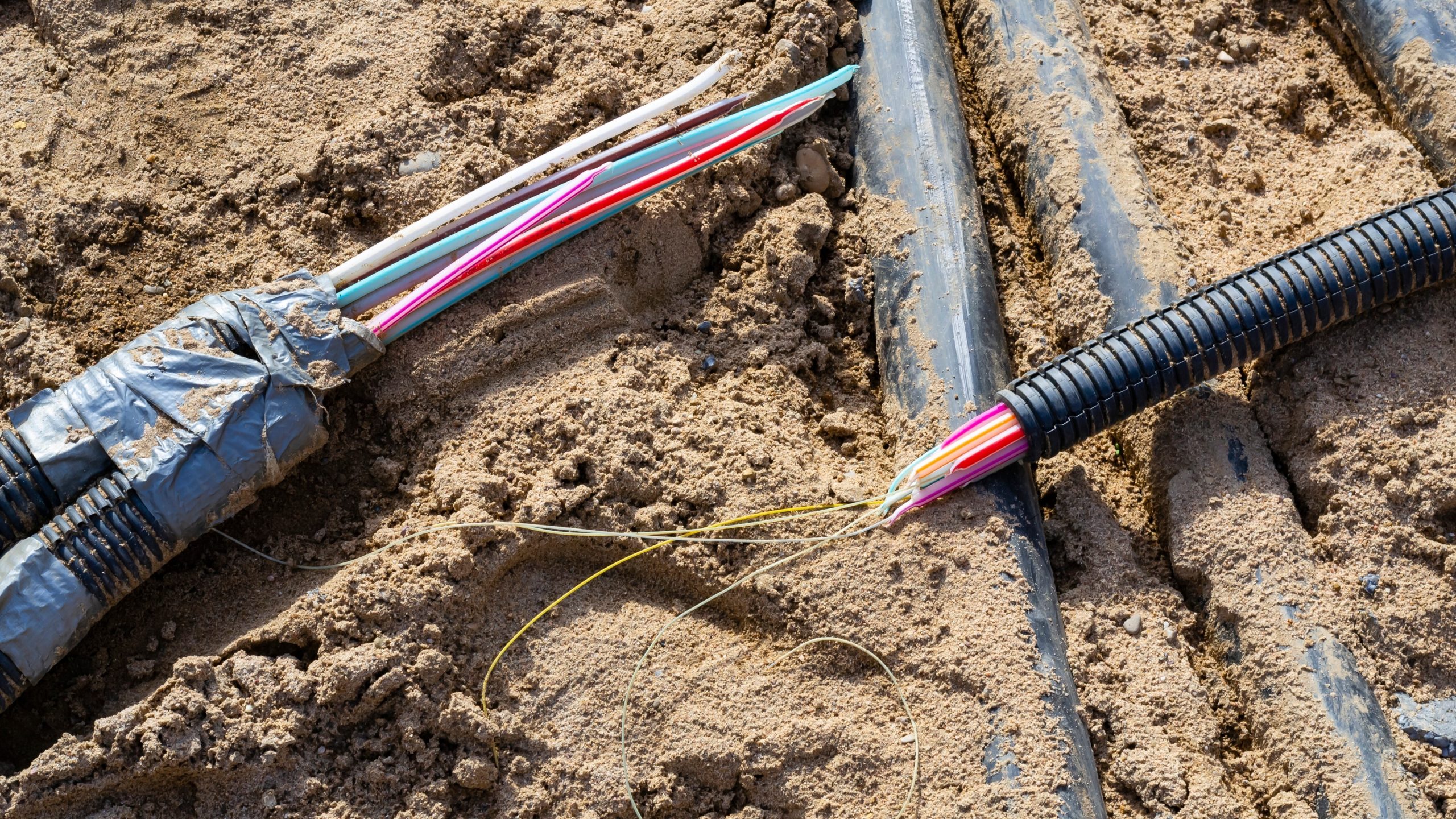
MTN Nigeria has revealed that it recorded an alarming 9,218 fibre optic cable cuts in 2025, a development that caused widespread network disruptions nationwide and affected millions of subscribers who depend on telecommunications services for communication, business operations and digital transactions.
In a statement issued on Friday, the telecommunications company said the situation was worsened by incidents of theft and vandalism at 211 network sites as of November 30, 2025, further degrading service quality and availability in several parts of the country.
According to MTN, the persistent disruptions resulted in a surge in customer complaints, with a total of 1,624,263 complaints recorded and resolved across its service channels during the year.
Despite these operational setbacks, the company reported continued growth, reaching 85 million subscribers by September 2025, cementing its position as Nigeria’s largest telecommunications operator.
Reacting to the development, MTN Nigeria’s Chief Executive Officer, Karl Toriola, acknowledged the company’s responsibility for network performance and customer experience. In a LinkedIn post, Toriola admitted that while some progress had been made, the company still faced significant challenges.
“There is progress to be proud of. And we clearly still have work to do,” he said.
“We are not where we want to be yet, but our commitment to putting the customer at the centre of everything we do remains constant.”
Toriola added that as MTN approaches its 25th anniversary in 2026, the company remains focused on listening to customers, responding swiftly to service disruptions and driving continuous improvements in network reliability and service delivery.
Telecommunications experts say the figures released by MTN underscore a broader, systemic problem within Nigeria’s telecom ecosystem rather than an isolated operational challenge. Industry analysts note that fibre cuts are frequently caused by road construction activities, rapid urban development, poor inter-agency coordination, and deliberate vandalism.
A telecom infrastructure specialist described the situation as “a red flag for Nigeria’s digital economy,” warning that recording over 9,000 fibre cuts in a single year significantly increases operating costs for service providers and inevitably degrades service quality for consumers.
READ ALSO: MTN Nigeria to hit historic N5trn revenue in 2025 on soaring data demand
Experts further argue that the trend exposes serious gaps in infrastructure protection and right-of-way management. According to them, weak enforcement of existing laws and inadequate coordination between government agencies, construction firms and utility providers continue to leave fibre networks highly vulnerable.
Another industry analyst warned that recurring fibre cuts could erode investor confidence in Nigeria’s telecom sector and slow progress in key areas such as digital inclusion, fintech growth, e-government services and the broader digital economy.
However, experts caution that while the initiative is a positive step, its success will depend on stricter enforcement, improved stakeholder collaboration, increased public awareness and the formal classification of telecom infrastructure as critical national assets.
They warn that unless fibre vandalism and accidental damage are drastically curtailed, network disruptions will persist—affecting not just telecom services but also digital banking, online education, healthcare delivery and small businesses that rely heavily on stable internet connectivity.


 Football1 week ago
 Business1 week ago
 News1 week ago
 Politics1 week ago
 Latest1 week ago
 Comments and Issues1 week ago
 Football7 days ago
 Energy6 days ago