
Featured
Forgery claim rocks Senate as Oshiomhole questions Natasha suspension report

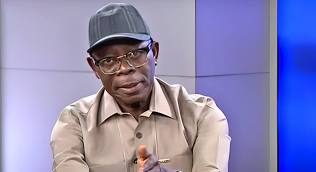
The controversy surrounding the six-month suspension of Senator Natasha Akpoti-Uduaghan has deepened after Senator Adams Oshiomhole alleged that signatures of some lawmakers were either forged or improperly lifted to validate the committee report recommending her suspension.
Oshiomhole, who represents Edo North Senatorial District, made the claims during a televised interview on Africa Independent Television (AIT), where he responded to ongoing debates about the conduct of the Senate Committee on Ethics, Privileges, and Public Petitions and the circumstances surrounding the disciplinary action.
He alleged that some members of the committee did not formally endorse the final report, insisting that their signatures may have been taken from an attendance register and attached to the document without their explicit consent. According to him, several senators privately denied signing the report despite their names appearing on it, raising concerns about the authenticity of the approval process. He further stated that some lawmakers expressed surprise that their names were included, suggesting that standard procedural requirements may not have been followed. Oshiomhole also referenced Senator Ireti Kingibe of the Federal Capital Territory, claiming she denied signing the report even though her name appeared among those listed as endorsing it.
The allegations have raised questions about adherence to Senate procedures, which typically require a senator’s signature to reflect clear endorsement of committee findings rather than mere attendance at a meeting. If confirmed, the claims would suggest a departure from established legislative practice, particularly in the compilation and approval of disciplinary reports.
The development has intensified political tensions within the upper legislative chamber, with growing scrutiny of how the report leading to Akpoti-Uduaghan’s suspension was handled. Observers say the issue has added pressure on Senate leadership amid calls for clarity over whether all listed members genuinely approved the committee’s conclusions before it was presented on the floor.
Senator Akpoti-Uduaghan was suspended following a contentious plenary session tied to allegations of misconduct, including defiance of Senate rules and disputes over chamber seating arrangements directed by leadership. The sanctions imposed on her include a six-month suspension from legislative duties, the suspension of her salaries and allowances, withdrawal of her security details, and a restriction barring her from presenting herself as a sitting senator for the duration of the suspension.
The latest allegations have now sparked renewed demands for an internal review of the committee’s processes and the authenticity of the report that led to the disciplinary action.

-

 Business7 days ago
The Pros and Cons of Nigeria’s $10bn Surge in Capital Importation
-
 Featured3 days ago
Two arrested after England team equipment stolen ahead of World Cup opener
-
 Business5 days ago
Ground handlers suspend services to Max Air over unpaid debts
-

 Aviation5 days ago
NSIB recovers black boxes as probe deepens into private jet’s highway landing in Delta
-

 Featured7 days ago
Nigeria must move beyond zoning, choose leaders based on competence ahead of 2027 – Baba-Ahmed
-
 Latest1 week ago
Kwankwasiyya dismisses reports of Kwankwaso’s exit from NDC
-

 Latest6 days ago
Reps bar first-term lawmakers, block Ugochinyere’s bid for minority leader
-
 Business6 days ago
Nigeria’s PoS banking boom faces rising fraud threats as agents bear growing risks