As Nigeria’s 2027 general elections draw nearer, the Senate Leader, Opeyemi Bamidele, has revealed a series of strengthened electoral reforms aimed at curbing vote buying and other election-related offences that have long undermined the credibility of the country’s democratic process.
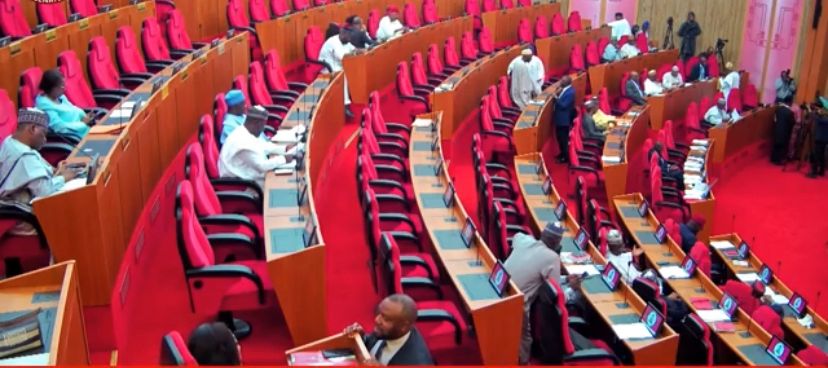
Speaking in a statement to mark the resumption of plenary by the 10th National Assembly, Bamidele said the proposed reforms are contained in the Electoral Bill, 2025, currently under consideration by lawmakers.
The bill, he explained, seeks to tighten penalties, introduce digital safeguards, and restructure party primaries to enhance transparency and public trust.
Bamidele stated that the bill proposes much tougher punishments for vote buying, including fines and imprisonment.
“With respect to vote buying, the sanctions range from a fine of ₦5 million to a two-year imprisonment and a 10-year ban from contesting elections,” he said. The Senate leader noted that the measure is intended to discourage the long-standing culture of monetised elections that has repeatedly distorted electoral outcomes.
The bill also recommends mandatory jail terms and increased fines for offences such as result falsification and obstruction of election officials, underlining a broader drive to end impunity and strengthen the integrity of Nigeria’s electoral system.
One of the most notable features of the proposed legislation is the introduction of digitally generated voter identification. The bill proposes that voter cards be downloadable and equipped with unique QR codes to enhance verification and reduce fraud.
Bamidele also disclosed that the bill mandates presiding officers to transmit polling unit results electronically, including the total number of accredited voters. The measure is expected to reduce delays, minimise manipulation, and improve transparency in the vote-counting process.
The proposed law also seeks to standardise the process for selecting delegates in indirect primaries. This is aimed at preventing party leaders from unilaterally determining delegate criteria — a practice critics say fuels internal party manipulation and undermines internal democracy.
Bamidele said committees on the Independent National Electoral Commission (INEC) in both chambers would soon submit their reports for clause-by-clause consideration, signalling that the bill is entering a critical stage of legislative scrutiny.
He emphasised that the reforms are intended to ensure credible, transparent and secure elections starting with the 2027 polls.
READ ALSO: Tinubu seeks Senate confirmation for 21 nominees to key oil, gas regulatory boards
Beyond electoral reform, Bamidele said the next 16 months will be as demanding as the previous period, with renewed focus on governance restructuring and economic priorities.
He said lawmakers would devote quality time to the consideration of the 2026 appropriation bill presented by President Bola Tinubu to a joint session of the National Assembly on December 18, 2025.
“The proposal is crucial to the growth, prosperity and stability of our economy this year and beyond,” Bamidele said, adding that the budget aims to reinforce macroeconomic stability, deepen competitiveness, and translate growth into jobs and improved living standards.
He also highlighted the impact of the 2025 Tax Reform Act, saying it had recalibrated Nigeria’s fiscal space by easing the tax burden on low-income earners while placing greater responsibility on high-income earners.
“With the reforms of our fiscal space, we believe funding our budget will no longer be a challenge, and our budget deficit will begin to shrink year by year,” he said.
On constitutional reform, Bamidele said the review of the 1999 Constitution has reached an advanced stage, with technical sessions and public hearings completed.
He added that Barau Jibrin, deputy Senate President and chairman of the Constitution Review Committee, would soon present the report to the Senate. The final stage, he said, would require approval by at least two-thirds of state houses of assembly, as required by the constitution.
“These are brief highlights of what lies ahead of us in the coming weeks,” Bamidele said. “At the end of it all, good governance, enhanced security and the welfare of our constituents shall remain our cardinal objectives.”



 Entertainment1 week ago
 Crime1 week ago
 Football7 days ago
 Business7 days ago
 Politics7 days ago
 News6 days ago
 Latest7 days ago
 Comments and Issues7 days ago