
Football
Ronaldo’s Portugal kick off as England meet Croatia in final group stage

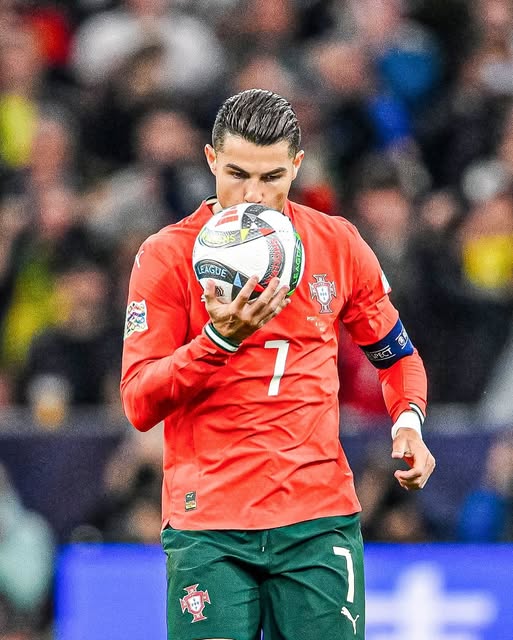
The first round of group-stage matches at the 2026 FIFA World Cup concludes on Wednesday, with Groups K and L taking center stage in a packed day of fixtures featuring some of football’s biggest names and emerging nations.
All eyes will be on Houston, where Portugal begin their campaign against the Democratic Republic of Congo.
Much of the attention is expected to focus on 41-year-old Cristiano Ronaldo, who starts what could be his final appearance at a World Cup. The veteran forward remains central to Portugal’s ambitions as they aim for a strong start in the tournament.
Later in the day, one of European football’s modern rivalries resumes as England face Croatia in a highly anticipated clash. England, led by captain Harry Kane, enter the tournament among the favourites and will be looking to assert early dominance in the group.
Croatia, however, arrive with a familiar blend of experience and resilience, relying once again on key veterans Luka Modrić, Ivan Perišić, and Mateo Kovačić as they target another deep run following strong performances in previous World Cup editions.
READ ALSO: Messi makes history with hat-trick as Argentina cruise past Algeria in World Cup opener
In Toronto, Ghana take on Panama in a crucial Group L encounter that could play a significant role in shaping the battle for knockout-stage qualification. Both sides will view the fixture as an important opportunity to secure early points in a tightly contested group.
The day’s action concludes with Colombia facing World Cup debutants Uzbekistan. The South American side will be expected to lean on their attacking quality and tournament experience, while Uzbekistan enter the match seeking a historic result in their first-ever World Cup appearance.
With several high-profile teams and individual stars in action, Wednesday’s fixtures are expected to set the tone for what promises to be a fiercely competitive group stage across both groups.


-

 Latest1 week ago
Coca-Cola faces backlash over alleged AI filter blocking Christian messages
-
 Latest5 days ago
Tinubu files: US Judge grants four-day extension in FOIA disclosure battle
-
 Latest1 week ago
Osun Decides: INEC declares Adeleke winner
-
 Featured5 days ago
Beyond Osun 2026: What Adeleke’s re-election reveals about Nigeria’s road to 2027
-

 Entertainment4 days ago
Poco Lee faces rape allegation as unverified UK arrest report spreads online
-
 Comments and Issues2 days ago
Can President Tinubu Revive Nigeria’s Moribund Refineries?
-
 Business5 days ago
Standard Bank eyes stake in OPay ahead of planned $4bn US IPO
-

 Business4 days ago
Profit-taking hits NGX again as First HoldC leads market declines