
Entertainment
‘Celebrities Are Human Too’ — Deyemi Okanlawon Condemns Online Ridicule

By Anuoluwa Amao
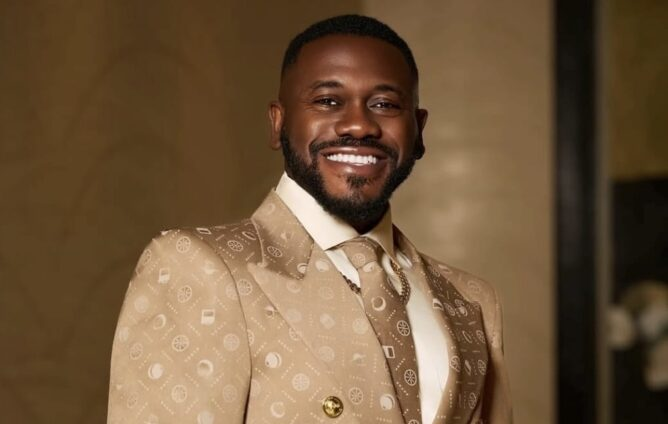
Nollywood actor Deyemi Okanlawon has criticised the growing culture of mocking and attacking celebrities on social media, urging Nigerians to show greater kindness to people in the public eye.
Speaking on the CreativiTea podcast, the actor said many critics are quick to judge famous personalities without fully understanding the emotional and professional demands that come with stardom.
READ ALSO: Ini Dima-Okojie opens up on pregnancy journey with multiple fibroids
According to him, public figures face unique pressures that are often overlooked, making empathy and respect essential in online interactions.
Deyemi also frowned at the use of derogatory labels such as “yeyebrities,” arguing that belittling other people’s achievements reflects a negative mindset that could eventually affect one’s own family or loved ones.
He warned that nobody knows who might attain fame in future generations, stressing that the same criticism directed at celebrities today could one day be faced by those closest to their detractors.
The actor maintained that entertainers and other public figures deserve the same compassion and understanding accorded to every other member of society, reminding fans that fame does not take away one’s humanity.


-

 Health4 days ago
ISRT 2026: Global experts converge in Lagos to advance cancer care across Africa
-

 Football4 days ago
Ballon d’Or 2026: The key rules shaping the race for football’s biggest prize
-

 Entertainment7 days ago
Miss World 2026: Four Continental winners battle for automatic top 20 spot (VIDEO)
-

 Business4 days ago
Versat Automobile to launch Chery’s EXEED premium brand in Nigeria
-

 Entertainment6 days ago
Miss World 2026: Meet 24 African Contestants Flying Continent’s Flag in Vietnam(VIDEO)
-

 Comments and Issues5 days ago
Digital Rights and the 2027 Poll in Nigeria
-

 Energy5 days ago
Petrol Price War: Where are Nigerians getting the cheapest fuel?
-

 Football4 days ago
Yaya Touré makes history as Slovan Bratislava reaches Champions League league phase