
Maritime
Ship operating costs on the rise – Drewry

By Richards Adeniyi
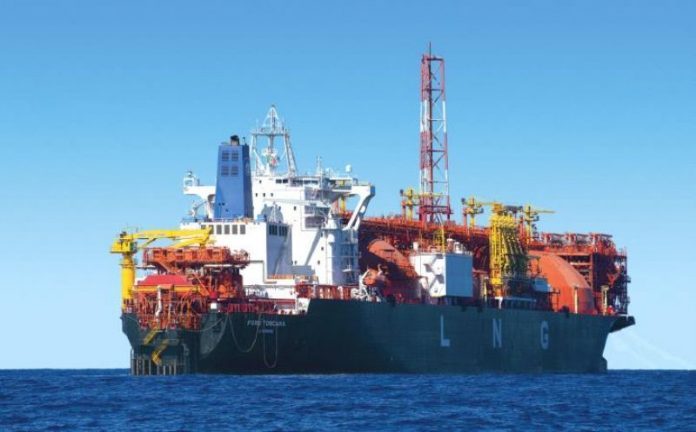
Average vessel operating costs rose for the second year in a row following two years of marked declines, but cost inflation is set to accelerate on higher insurance premiums, shipping consultancy, Drewry said.
Typical ship operating costs accelerated moderately in 2018 as the uncertain recovery in freight markets across most cargo sectors gained momentum.
Average daily operating cost across the 46 different ship types and sizes covered in the report rose 1.1% in 2018, succeeding the previous year’s rise of 0.7%, according to Drewry. This followed a period in which opex spending contracted over two consecutive years by almost 9% in 2015-16.
Earlier years witnessed sharp reductions in opex as the depressed state of shipping markets forced operators to slash costs as a means for survival. But as freight markets started to recover in 2017 so the pressure to reduce expenditure lifted.
“This trend continued into 2018, with a modest acceleration in cost inflation,” Martin Dixon, Drewry’s director of research products, said.
The latest assessments include vessels in the container, chemical, dry bulk, oil tanker, LNG, LPG, general cargo, roro and reefer sectors, as well as the recently introduced car carriers segment. 2018 represented the first time in seven years that all vessel sectors recorded rising average operating costs, Drewry said.
However, continued overcapacity in certain sectors and an uncertain trade outlook “will still make market conditions challenging for most shipowners over the coming years,” therefore, Drewry expects the pressure on costs to continue.
“Financial losses can only be sustained for so long and given higher claims in related sectors as well as the withdrawal of some insurance providers from the maritime space, it is clear that a market correction is underway which will lead to higher premiums, particularly over the near-term,” concluded Dixon.
Given the more benign outlook for the remaining cost heads, overall vessel operating costs are expected to rise below the level of general price inflation over the next few years and so represent cost stagnation in real terms.


-

 Football6 days ago
France confirms U-20 Women’s World Cup participation amid FIFA-UEFA rift
-
 Business6 days ago
Nigeria’s external debt service falls 31.5% to $954m in Q1 2026
-

 Football4 days ago
WAFCON 2026: Super Falcons battle South Africa for World Cup play-off spot
-

 Latest6 days ago
Messi reportedly faced multiple bomb threats during 2026 World Cup
-

 Latest4 days ago
Osun 2026: Oyinlola group backs Oyebamiji, faults Adeleke over exclusion
-

 Business2 days ago
Bigi, Fearless take campus engagement to new level, reach 20 tertiary institutions
-

 Featured6 days ago
Osun Governorship Election: Adeleke faces tough test as APC, ADC mount challenge
-

 Latest6 days ago
NFF denies calling for Infantino’s resignation