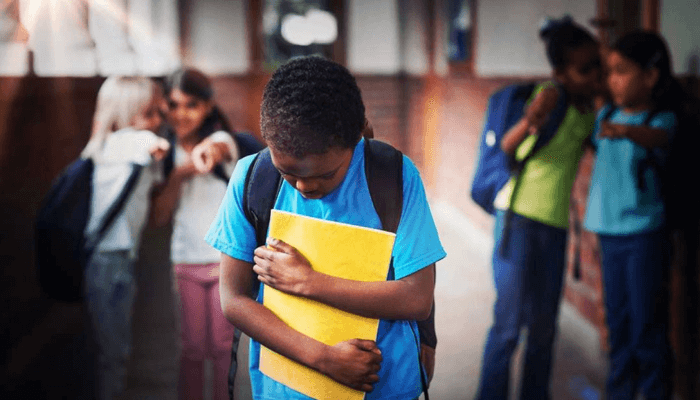
For generations, boarding schools in Nigeria have been seen as institutions of discipline, academic excellence, and social grooming. But behind high fences and school gates, a darker reality has emerged—one marred by allegations of bullying, abuse, neglect, and deadly silence.
In recent years, a disturbing pattern has come to light: students dying or suffering severe harm in environments meant to nurture them. As families search for answers, the recurring themes of cover-ups, delayed justice, and institutional failure continue to haunt the nation’s education system.
The Tragic Case of Sylvester Oromoni
In December 2021, Nigeria was rocked by the tragic death of Sylvester Oromoni, a 12-year-old student of Dowen College, Lagos. His family alleged he was tortured by senior students for refusing to join a cult. He died days later from internal injuries. Despite widespread outrage, conflicting autopsy reports and legal delays left the case in limbo. The school initially denied wrongdoing, claiming he sustained injuries playing football.
“My son was in pain, he couldn’t walk, he told us everything. And yet, the system failed him,” said his father, Sylvester Oromoni Sr.
The public’s demand for accountability led to temporary closure of the school, but to date, no one has been held fully accountable for Sylvester’s death.
Karen-Happuch’s Silent Suffering
The 2019 death of Karen-Happuch Aondover, a 13-year-old student of Premier Academy, Lugbe, Abuja, remains shrouded in pain and unanswered questions. Karen fell ill shortly after returning from school and later died from complications caused by a condom left inside her—a discovery that sparked national outrage and raised serious questions about sexual abuse and the culture of silence in schools.
Her mother, Mrs. Aondover, has continued to call for justice, decrying how her daughter was failed by a system that ignored early warning signs and buried crucial evidence.
Don Davis’s Shocking Revelation
In 2020, Don Davis, an 11-year-old JSS1 student of Deeper Life High School, Uyo, made headlines after he alleged that he was starved, molested, and severely beaten by seniors. In a series of tearful social media videos, his mother exposed the systemic abuse her son suffered in silence.
ALSO READ: Anambra govt shuts school over bullying
The school initially denied the allegations but eventually suspended some staff members following an internal investigation. The case highlighted how power dynamics and rigid hierarchies often suppress victims’ voices in faith-based institutions.
The Case of Aliyu Babangida: Brutality in the North
In 2022, Aliyu Babangida, a student of a popular Islamic boarding school in Kano, was reportedly beaten to death by school authorities for “being stubborn.” His parents claim they were not informed until after his death, and local authorities hesitated to press charges. The case echoes similar instances in the northern region, where Almajiri and boarding Islamic schools have repeatedly come under fire for corporal punishment, chaining, and maltreatment of children.
A Culture of Silence and Suppression
What connects these cases is not just the tragedy—they share a chilling pattern of denial, delay, and deflection by school authorities. In many cases, parents are discouraged from speaking out. School management often blames students or claims “accidents” happened, and some families are pressured to accept out-of-court settlements in the name of protecting institutional reputation.
According to child rights advocate Ngozi Ijeoma, “There is a systemic failure across private and public boarding schools. We see underreporting of abuse, lack of mental health support, and a culture that protects abusers.”
The Legal and Policy Vacuum
Although Nigeria passed the Child Rights Act in 2003, many states are yet to domesticate or enforce it fully. This legal gap leaves students vulnerable and shields schools from real accountability. Attempts to regulate boarding schools have been piecemeal at best, often following public outcry rather than proactive policy.
Families Demand Justice. Society Demands Change.
As cases like Sylvester, Karen-Happuch, Don Davis, and Aliyu continue to haunt the public, more families are speaking out. Advocacy groups are calling for:
Independent panels to investigate boarding school abuses
Mandatory surveillance and reporting systems in schools
Psychosocial support units for students
Strict penalties for staff or institutions that enable cover-ups
For too long, the promise of discipline and prestige has masked a system that sometimes breaks the very children it claims to mold. Boarding schools in Nigeria are at a turning point. Will they become safe havens for learning and growth—or remain institutions where silence is louder than justice?
As investigations stall and memories fade, one thing remains clear: without systemic reform and real accountability, more children may suffer in silence—and some may never return home.


 Business1 week ago
 Latest6 days ago
 Business1 week ago
 Football1 week ago
 Business1 week ago
 Business1 week ago
 Football5 days ago
 Health1 week ago