BY – ABIODUN IFEOLUWA EMMANUEL
On May 29, 1999, the Nigerian people welcomed the dawn of
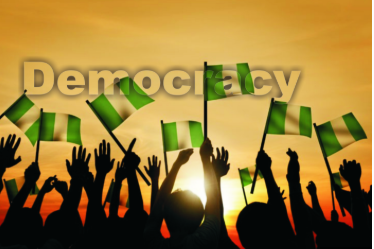
democracy with renewed hope, dancing in dusty streets, raising green-white-green flags, and cheering as military rule gave way to civilian governance.
Today, 25 years later, that hope sits on trial in the hearts of millions.
Has democracy delivered? Or has it become another elite enterprise where power rotates among the few while the majority wait endlessly for the dividends they were promised?
The Promise of Democracy
The return to democratic rule came with bold pledges:
- Good governance
- Rule of law
- Human rights
- Economic freedom
- A people-centered society
Elections were to become the sacred voice of the people. Legislatures were to become champions of the masses. The courts were to become temples of justice. But after two and a half decades, Nigerians are still asking the same questions: Where is the light at the end of this democratic tunnel?
Elections or Selections?
Since 1999, Nigeria has conducted seven general elections. Each cycle has brought with it a mixture of hope, violence, rigging allegations, and disputed outcomes. The 2023 elections were no different marked by low voter turnout, electoral violence, and accusations of digital manipulation despite the promises of transparency.
Many Nigerians now question whether their votes truly count or if power simply shifts hands among political dynasties. “Democracy has become a four-year ritual without results,” says political analyst Chinyere Okonkwo.
Poverty in a Democratic Age
In 1999, Nigeria’s poverty rate was already a concern. Today, it has surpassed 70 million people living in multidimensional poverty, despite trillions spent on various social programs.
Insecurity has worsened, inflation has eroded earnings, and job creation has failed to keep up with the nation’s youthful population.
How can democracy flourish when most of its citizens are too poor to eat, too tired to protest, and too hopeless to believe?
Corruption, the Constant
One of democracy’s biggest betrayals in Nigeria is the persistence of corruption. From oil subsidy scandals to padded budgets and constituency project fraud, corruption remains deeply woven into the fabric of public service.
Despite multiple anti-corruption commissions and high-profile arrests, convictions are rare.
Many looters walk free. Others return to political office with renewed ambition and no shame.
Where Are the Institutions?
A thriving democracy depends on strong institutions—not strong individuals. But in Nigeria, the opposite often plays out. The judiciary remains vulnerable to executive pressure. Law enforcement is underfunded and politically compromised. The legislature is often seen as a rubber stamp, not a watchdog.
Institutions that should safeguard the people’s rights have instead become instruments of political survival and self-interest.
The Gains That Exist
To be fair, democracy has not been without modest victories:
The media is freer and more vocal.
Civil society is more organized.
Some states have demonstrated pockets of innovation in health, infrastructure, and education.
Nigerians now enjoy greater digital access and freedom of expression—albeit under threat.
These gains, however, remain fragile, often threatened by executive overreach and a growing culture of impunity.
A Generation on the Edge
The youth, who form over 60% of the population, are disillusioned. Movements like #EndSARS were less about police brutality alone and more about systemic failure—a cry against a democracy that seems rigged against their future.
Many now see japa (emigration) as the only logical response. “I voted. I protested. Nothing changed. So I left,” says Seyi, a 29-year-old Nigerian now in Canada. His story is one among thousands.
Where Do We Go From Here ?
If Nigeria’s democracy is on trial, then its citizens are the jury. The question is not whether democracy should be discarded—but whether it can be reclaimed, reshaped, and reconnected to the people it was meant to serve.
True democracy demands:
- Electoral integrity
- Responsible leadership
- Institutional independence
- An active citizenry
- Social justice and accountability
Conclusion
After 25 years, Nigeria stands at a critical junction: move forward with genuine reform and patriotic leadership—or watch democracy continue to exist in name but not in impact.
Abiodun Ifeoluwa is a journalist passionate about human-centered development, rural empowerment, and governance accountability. 












 Football6 days ago
 Business5 days ago
 Crime7 days ago
 Business7 days ago
 Business1 week ago
 Latest4 days ago
 Business6 days ago
 Football7 days ago