The Nigerian Guild of Editors (NGE) has raised serious concerns over the controversy surrounding the Senate’s position on the transmission of election results ahead of the 2026 general elections, warning that the development could erode public trust in the electoral process and weaken democratic governance.
In a statement signed by its President, Eze Anaba, and General Secretary, Onuoha Ukeh, the Guild said the uncertainty created by the Senate’s adoption of provisions in the proposed 2022 Electoral Act—allowing for the transmission of election results without making it mandatory and immediate—has already generated widespread doubt and mistrust among Nigerians.
According to the editors, the Senate’s position runs contrary to the expectations of most Nigerians and the views expressed by many lawmakers, who have consistently called for mandatory and real-time electronic transmission of results from polling units.
The Guild noted that the ensuing public outrage has set citizens against the Senate and could potentially discourage voter participation in future elections.
The NGE stressed that the timing of the controversy is particularly troubling, as Nigerians are increasingly demanding reforms that guarantee transparency and credibility in elections.
It observed that across the world, electronic and real-time transmission of election results has become a core component of electoral reforms designed to enhance transparency, accountability, and public confidence.
READ ALSO: Suswam quits PDP, cites prolonged internal crisis
“At a time when countries globally are embracing electronic transmission of results to improve electoral integrity, the Senate’s position leaves much to be desired,” the Guild said, describing the stance as a missed opportunity to strengthen Nigeria’s electoral framework.
The editors warned that failure to make the transmission of results mandatory and immediate undermines ongoing efforts to deepen democracy and ensure credible elections.
They argued that digitalising elections through real-time result transmission would enhance transparency, efficiency, and accuracy, while also reducing disputes, minimising post-election controversies, and significantly curbing electoral fraud.
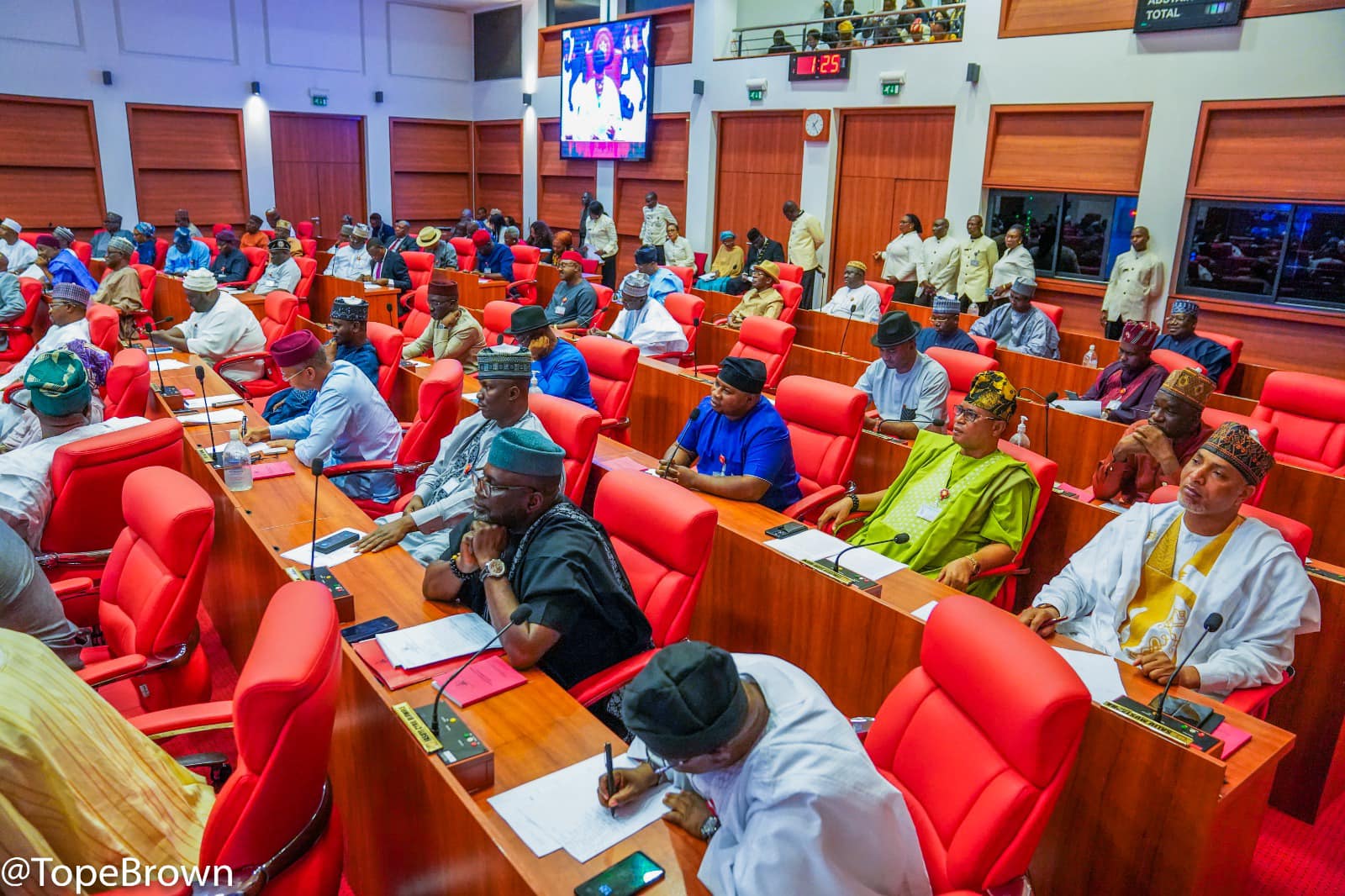
As the Senate is expected to reconvene on February 10, 2026, to harmonise its position with that of the House of Representatives, the Guild urged the National Assembly to seize the opportunity to align Nigeria’s electoral process with global best practices.
The NGE called on lawmakers to approve provisions that make the transmission of election results from polling units to the Independent National Electoral Commission (INEC) central server and collation centres both mandatory and immediate, describing such a move as critical to laying a solid foundation for free, fair, and credible elections.
“Nigerians are watching the National Assembly closely on this issue,” the statement said, adding that anything short of mandatory and immediate transmission of results would place Nigeria out of step with contemporary and progressive electoral practices.
The Guild concluded that making result transmission compulsory and real-time would not only strengthen electoral integrity but also restore citizens’ confidence that their votes will truly count, thereby deepening democracy in the country.



 Latest4 days ago
 Trends5 days ago
 Business1 week ago
 Football1 week ago
 Health6 days ago
 Featured1 week ago

 Business1 week ago