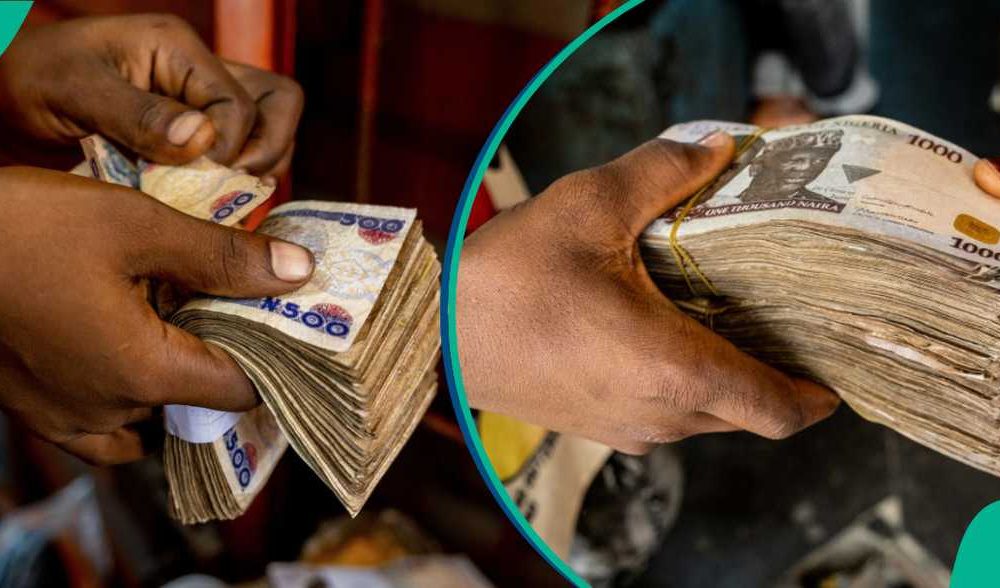
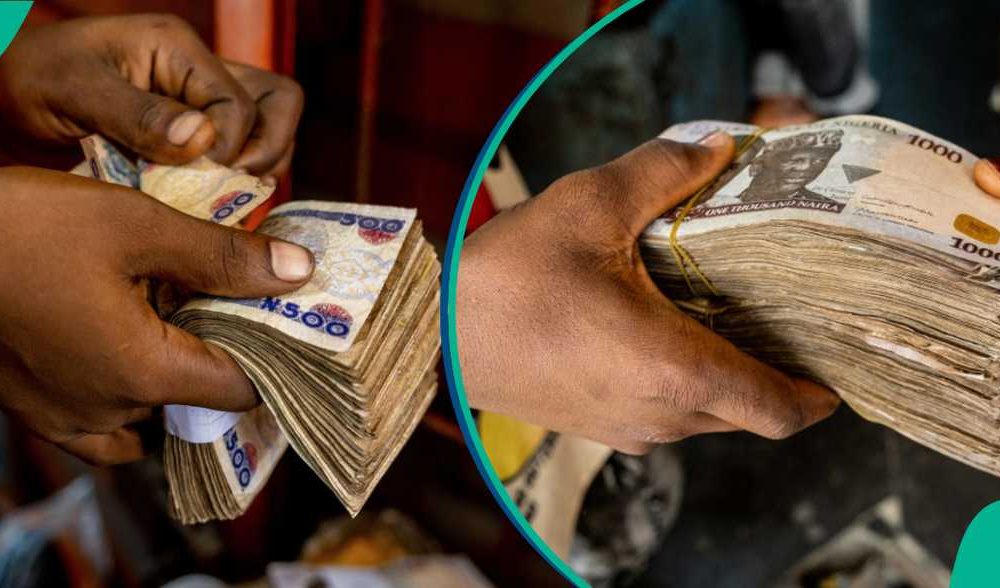
The Nigerian naira posted marginal gains in the foreign exchange market on Thursday, strengthening to N1,548.59 against the U.S. dollar at the official market.
This marked an improvement from Wednesday’s rate of N1,552.58/$1, according to data from the FMDQ Securities Exchange. Meanwhile, the black-market exchange rate remained stable at N1,660/$ as of Friday morning.
These developments coincided with the U.S. dollar index dropping to its monthly lows, trading at 107.8. The index, which measures the dollar’s performance against a basket of major currencies, has declined for two consecutive days, down by 30 basis points.
The drop comes as markets anticipate that the Federal Reserve will reduce interest rates twice this year due to easing inflationary pressures in the United States.
Central Bank of Nigeria (CBN) Governor Olayemi Cardoso attributed the naira’s improved performance to key foreign exchange reforms implemented in 2024.
READ ALSO: Naira edges up against Dollar at official, parallel markets
These include clearing $7 billion in verified forex commitments, unifying multiple exchange rate windows, and discontinuing quasi-fiscal interventions. Cardoso emphasized that these reforms are bolstering the naira’s stability and enhancing Nigeria’s economic credibility.
“The effects of these measures are already evident, particularly in the significant inflows via international money transfer operators (IMTOs),” Cardoso noted.
“We’ve had to adopt creative solutions in response to the challenges posed by falling oil prices, diminished foreign exchange reserves, and reduced oil production. The outcomes so far have been positive.”
The Nigerian Economic Summit Group (NESG) provided a bullish outlook, predicting that the naira could strengthen to N1,300/$1 by 2025 if the country adheres to an optimal stabilization framework.
NESG highlighted increased foreign exchange receipts from strategic exports, driven by higher crude oil sales, enhanced agricultural productivity, and increased local manufacturing, particularly in the oil refining sub-sector.
“Export income is set to rise amid global demand for Nigeria’s crude and improved domestic production,” the NESG report stated. It also projected a real GDP growth rate of 5.5% in 2025, contingent on sustained economic reforms.
Financial analyst Akinwale Adejumo pointed out that the CBN’s efforts to unify the exchange rate have created a more transparent and investor-friendly forex regime. “This reform is a game-changer for Nigeria’s economic outlook, as it fosters confidence among international investors,” Adejumo said.
The U.S. dollar index’s decline reflects growing speculation that the Federal Reserve will ease monetary policy this year. U.S. President Donald Trump, speaking virtually at the World Economic Forum in Davos, hinted at exerting pressure to lower interest rates.
Trump also disclosed productive discussions with Chinese President Xi Jinping, raising hopes for a trade agreement that avoids tariffs. Market analysts believe these developments, coupled with lower U.S. Treasury yields, are placing downward pressure on the dollar.
The naira’s recent performance and the positive sentiment from policymakers and economic experts suggest that Nigeria’s forex reforms are gaining traction.
However, sustaining these gains will depend on addressing broader economic challenges, including improving oil production and diversifying export revenue streams.






 Football6 days ago
 Crime1 week ago
 Business5 days ago
 Crime6 days ago
 Business1 week ago
 Business6 days ago
 Business5 days ago
 Football7 days ago