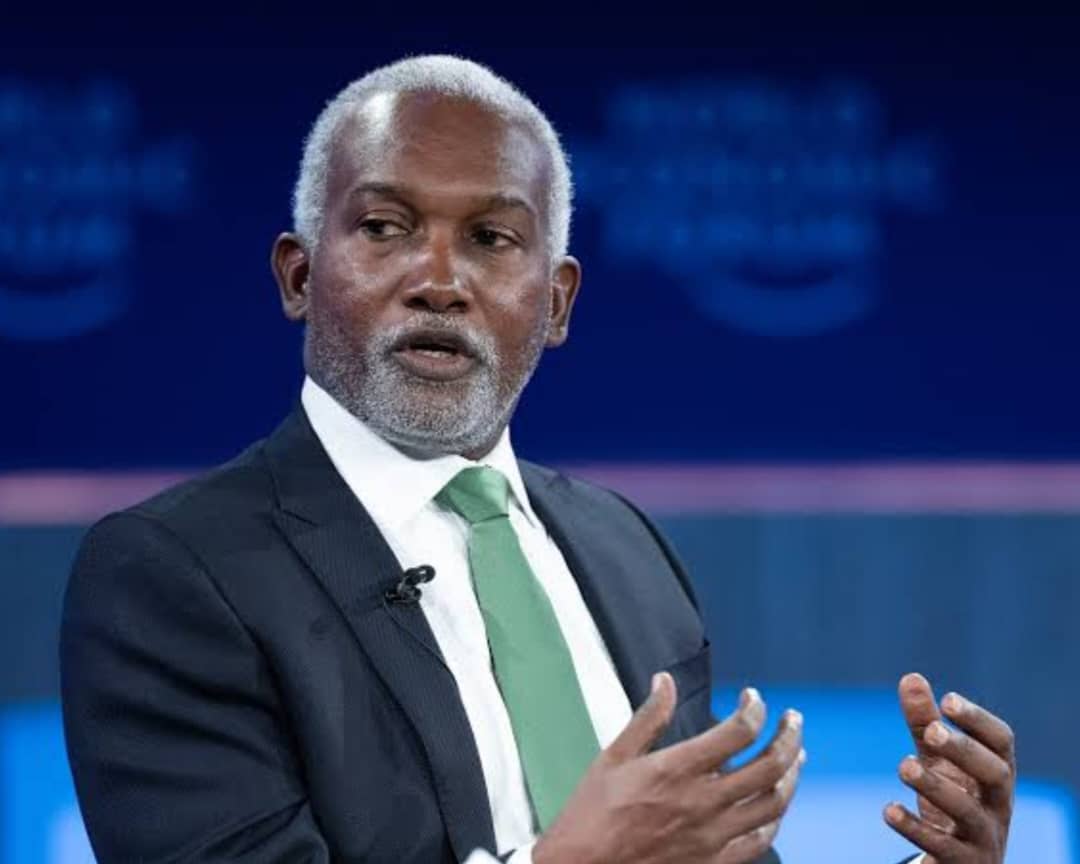
Nigeria’s Minister of Foreign Affairs, Yusuf Maitama Tuggar, has expressed strong reservations over the United States’ recent decision to extend visa restrictions to all member states of the Economic Community of West African States (ECOWAS), warning that such a move could derail potential economic partnerships and impede regional development.
Speaking on Wednesday, June 18, at the 54th Ordinary Session of the ECOWAS Mediation and Security Council at the Ministerial level in Abuja, Tuggar described the proposed visa policy—initially targeting Togo before being expanded—as “most unfortunate” and cautioned that it would undermine opportunities for high-level engagements between the region and the U.S.
“The ECOWAS region is open and ready to do business,” the Minister declared. “We in this part of the world are students of the art of the deal and have been part of the international trading system even before the modern state system. ECOWAS and the U.S. have a rare opportunity to build a strategic partnership based on mutual need.”
He emphasized that while the region is seeking genuine partnerships to drive economic growth, particularly in energy, trade, and innovation, such progress is only possible in an environment that enables the free movement of officials, technocrats, entrepreneurs, and business executives. “We will do deals for our prosperity. The only question is: with whom?” Tuggar stated pointedly.
Addressing the broader agenda of the Council, Tuggar highlighted the recently launched Regional Partnership for Democracy (RPD)—a collaborative initiative between ECOWAS and the United Nations Development Programme (UNDP)—as a new template for reinforcing democratic values within the subregion. He urged member states to embrace the RPD as a common platform tailored to the political contexts of each country.
READ ALSO: Nigeria, 35 other countries face new visa restrictions under Trump policy shift
He also outlined the complex humanitarian challenges confronting West Africa, including forced displacement, food insecurity, climate-related risks, and public health threats. According to him, these issues require not just acknowledgment but coordinated regional action.
“In both humanitarian response and early warning systems, our ability to act swiftly and cohesively will define the success of our regional conflict prevention mechanisms,” he said, noting that the Council would receive a full update on the status and effectiveness of national and regional Early Warning and Response Centres.
The Minister praised the continued relevance of the Inter-Governmental Action Group Against Money Laundering in West Africa (GIABA), established decades ago to address financial crimes and terrorism financing. He called for renewed commitment from member states to fortify financial transparency and institutional resilience.
“Illicit financial flows and money laundering not only threaten our economies but also our collective security. The Council will be briefed on steps taken by member states to build stronger institutions in combating these threats,” Tuggar affirmed.
Tuggar also reported on the completion of the ECOWAS Lungi Military Logistics Depot in Sierra Leone, which he hailed as a “landmark achievement.” He said the project signifies ECOWAS’ preparedness to operationalise its regional Standby Force as part of broader efforts to combat terrorism and transnational threats.
“The Depot comes at a crucial time as we work toward mobilising a coordinated regional response to insecurity and terrorism,” he stated.
The Abuja meeting convened foreign ministers and security chiefs from across West Africa to discuss governance, peace, and security matters affecting the subregion amid rising geopolitical tensions and internal vulnerabilities.




 Business6 days ago
 Trending Stories1 week ago

 Football1 week ago
 Latest7 days ago
 Energy1 week ago
 Health6 days ago
 Health6 days ago