
Latest
Nigeria, 35 other countries face new visa restrictions under Trump policy shift

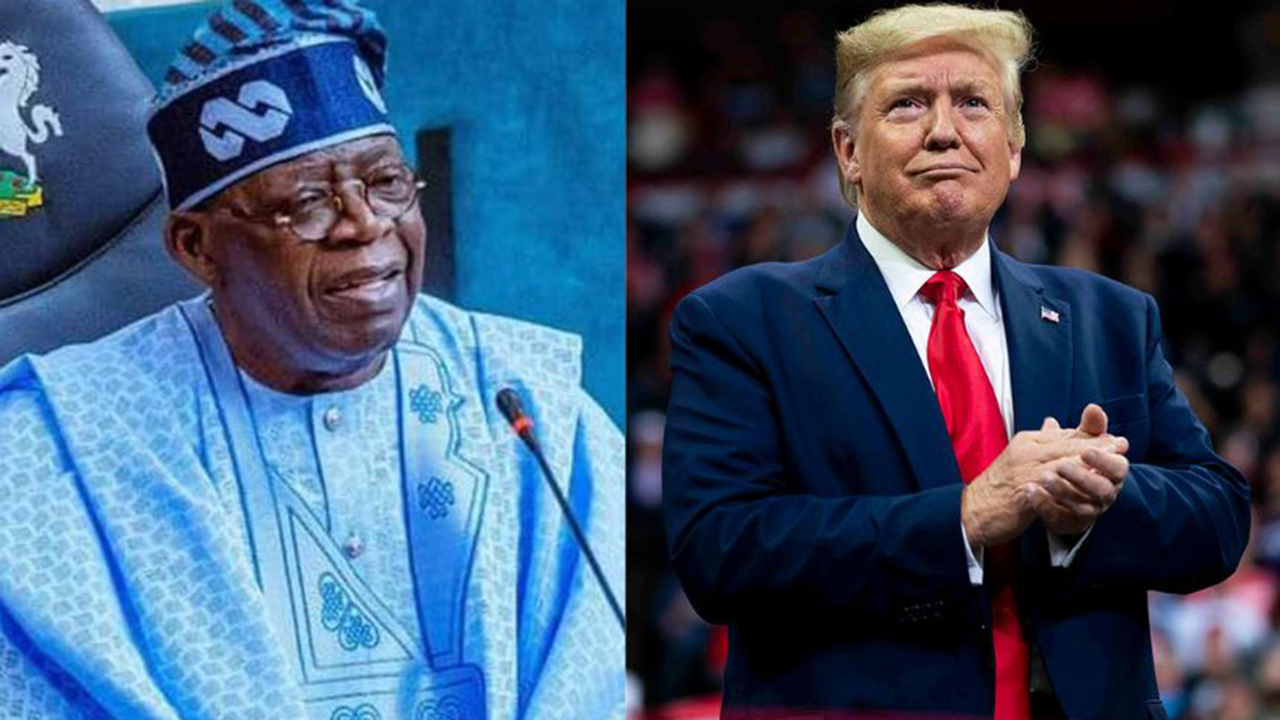
In a sweeping escalation of its immigration policy, the United States government has placed Nigeria and 35 other nations — including 25 African countries — on a new visa restriction list, signaling a broader and more aggressive approach under the administration of former President Donald Trump.
The Washington Post reported on Saturday that a memo signed by U.S. Secretary of State Marco Rubio outlines proposed restrictions that could severely limit visa issuance or outright ban entry from the affected countries.
The restrictions, if enforced, would mark a sharp expansion of Trump’s controversial travel bans from his first term.
According to the memo, the proposal stems from concerns that some nations either lack effective central authorities to issue reliable identity or civil documents, suffer widespread government fraud, or fail to cooperate with U.S. immigration enforcement.
Among those targeted are key U.S. strategic and economic partners such as Nigeria, Egypt, Ghana, and Djibouti. Others include Angola, Benin, Burkina Faso, Cameroon, Democratic Republic of Congo, Ethiopia, Gambia, Ivory Coast, Liberia, Malawi, Niger, South Sudan, Uganda, Zambia, and Zimbabwe.
READ ALSO:
Outside Africa, the list includes Antigua and Barbuda, Bhutan, Cambodia, Kyrgyzstan, Saint Kitts and Nevis, Saint Lucia, Syria, Tonga, Tuvalu, Vanuatu, and Sao Tome and Principe.
Affected countries have been given a 60-day ultimatum to meet new U.S. screening and security standards or face sanctions. Initial action plans must be submitted by June 18, 2025, at 8:00 a.m., according to the report.
Immigration experts and human rights advocates have expressed concern over the proposed policy. Professor Stephen Yale-Loehr of Cornell Law School, speaking to The Washington Post, said the expanded travel ban may be legally permissible but warned of its human cost.
“Even if this expansion is legal, it is not good policy. The travel ban affects not only foreigners but U.S. citizens. Families will be separated because of this travel ban,” Yale-Loehr said.
Observers have also likened the policy to the original 2017 “Muslim Ban,” which targeted several Muslim-majority countries and drew widespread criticism for being discriminatory and xenophobic.
If implemented, this would represent one of the most sweeping immigration crackdowns of Trump’s second-term policy blueprint, with significant implications for diplomatic relations, migration, and U.S.-Africa cooperation.
As of now, official communication from the U.S. State Department has not confirmed when the proposed restrictions might take effect, but countries named are under pressure to comply or face imminent visa sanctions.


-

 Featured4 days ago
BREAKING NEWS: Shouts of joy rock the world as Pastor Chris opens final Healing Streams edition for 2026
-

 Football5 days ago
Man United shortlist Emery, Nagelsmann as potential replacements for Carrick
-

 Business4 days ago
Hoodlums raid JED Benue office, abduct 10 staff over power dispute
-

 Football5 days ago
Aston Villa ready to freeze out Garnacho to avoid £43m Chelsea transfer
-
 Business1 week ago
Naira faces exchange rate gap as Dollar hits N1,380 on parallel market
-

 Latest4 days ago
Akpabio tasks Tompolo-backed movement with spreading Tinubu’s renewed hope message
-

 Business5 days ago
EV adoption: Roxettes seeks cheaper financing, local manufacturing incentives
-

 Business3 days ago
How Ethiopian Airlines is challenging Africa’s aviation narrative through self-reliance