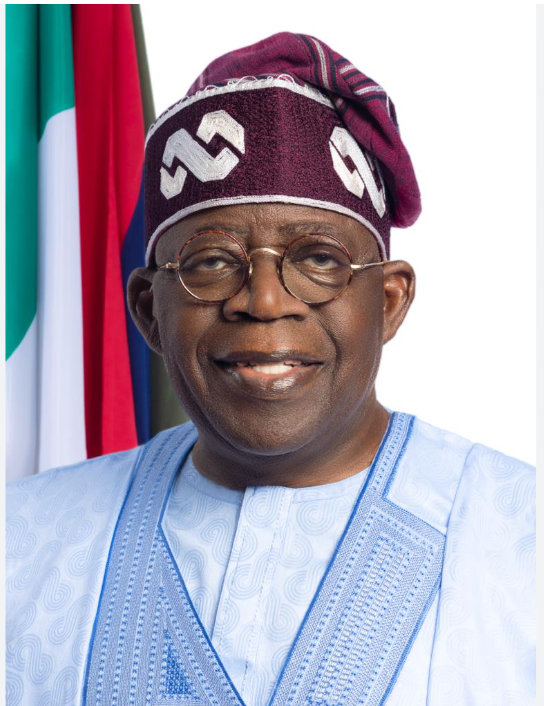
The Nigerian Senate on Tuesday approved President Bola Tinubu’s external borrowing plan exceeding $21 billion for the 2025–2026 fiscal cycle.
This comprehensive financial package, crucial for the full implementation of the 2025 Appropriation Act, includes $21.19 billion in direct foreign loans, €4 billion, ¥15 billion, and a $65 million grant.
Additionally, it incorporates domestic borrowing through government bonds amounting to approximately N757 billion and a provision to raise up to $2 billion through a foreign-currency-denominated instrument in the domestic market.
The approval followed the presentation of a report by Senator Aliyu Wamakko, Chairman of the Senate Committee on Local and Foreign Debt.
Senator Wamakko noted that the plan was initially submitted to the National Assembly on May 27 but faced delays due to a legislative recess and documentation issues from the Debt Management Office.
Senator Olamilekan Adeola, Chairman of the Senate Committee on Appropriations, affirmed that most of the requested loans had already been integrated into the Medium-Term Expenditure Framework and the 2025 budget.
“The borrowing is already embedded in the 2025 Appropriation Act. With this approval, we now have all revenue sources, including loans, in place to fully fund the budget,” Adeola explained.
ALSO READ : Zelensky’s anti-corruption bill sparks outcry, threatens Ukraine’s EU path
While the approval received broad support, it also sparked some discussions. Senator Sani Musa clarified that the loan disbursements would span six years, not just 2025, and defended the borrowing as consistent with global economic practices.
“There’s no economy that grows without borrowing. What we are doing is in line with global best practices,” he stated.
Senator Adetokunbo Abiru, Chairman of the Committee on Banking, Insurance and Other Financial Institutions, assured the chamber that the loans are concessional and adhere to the Fiscal Responsibility Act and Debt Management Act.
He highlighted their long-term nature, with some tenors ranging from 20 to 35 years, and emphasized that they are “strictly tied to capital and human development projects.”
However, Senator Abdul Ningi (Bauchi Central) raised concerns regarding transparency and equitable distribution, stressing that Nigerians deserved specific details about the loans and their intended impact.
The approved loan plan targets key sectors such as infrastructure, agriculture, security, power, housing, and digital connectivity.
A significant allocation includes $3 billion for the revitalization of the Eastern Rail Corridor, stretching from Port Harcourt to Maiduguri.
Senator Victor Umeh (Anambra Central) lauded this specific project, stating, “This is the first time I have seen $3 billion allocated to rebuild the eastern rail line. That alone justifies my full support.”
Deputy Senate President, Jibrin Barau, commended the committee’s efforts, emphasizing that the borrowing plan reflects national inclusiveness. “This shows that the Renewed Hope Agenda is working. No region is left out,” he remarked.
The Senate leadership reiterated that all approved funds must be deployed strictly for capital and development projects, aligning with established public finance regulations.












 Football5 days ago
 Crime6 days ago
 News1 week ago
 Crime1 week ago
 Business4 days ago
 Business6 days ago
 Business7 days ago
 Football6 days ago