
News
India’s economic counterpunch: Tariffs and taxes

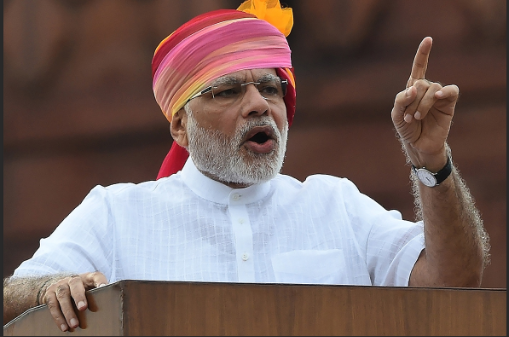
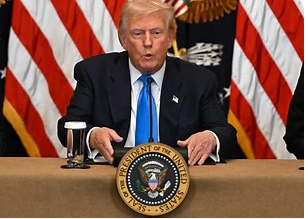
In a major blow to the Indian economy, U.S. President Donald Trump’s steep 50% tariffs on a range of Indian goods have officially taken effect. The new tariff, which adds an additional 25% to an existing 25% duty, was imposed in response to India’s continued purchases of Russian oil and weapons.
The move makes India a key U.S. partner in the Indo-Pacific one of the countries facing the highest tariffs in the world. This is expected to significantly impact India’s exports and economic growth, as the U.S. was, until recently, its largest trading partner.
In response, the Indian government has gone into damage control mode. Prime Minister Narendra Modi, speaking from the Red Fort during India’s Independence Day celebrations, unveiled a two-pronged strategy: promoting self-reliance and boosting domestic spending.
ALSO READ: FG sets tough penalties for online offenses in new Cybercrimes Act
Modi, wearing a bright saffron turban, told the crowd that a “massive tax bonanza” was on its way for the public and small businesses, describing it as a “Diwali gift.”
He has since announced plans for an overhaul of the country’s indirect tax system, including a reduction and simplification of the Goods and Services Tax (GST).
Experts believe this could help soften the economic blow by putting more money in the hands of consumers.
He also urged small businesses to prominently display “Swadeshi” or “Made in India” signs, stating, “We should become self-reliant not out of desperation, but out of pride.”
He framed the global situation as one of “economic selfishness,” and cautioned his countrymen against “sitting and crying about our difficulties.”
The new tariffs are expected to disrupt millions of livelihoods across India’s export-driven industries, which supply a wide range of goods to the U.S., from clothing and diamonds to shrimp.
While the government has previously offered subsidies to boost domestic manufacturing, the sector’s contribution to India’s GDP has remained stagnant at around 15%.
With Trump’s tariffs now in place, Modi’s message is loud and clear: both make in India and spend in India.









-
 Featured1 week ago
Inside INEC’s race to prepare for Nigeria’s 2027 elections
-
 Featured1 week ago
2027: APC unveils nationwide campaign timetable, Tinubu to rally in 12 states
-
 Business5 days ago
Naira faces exchange rate gap as Dollar hits N1,380 on parallel market
-
 Business1 week ago
Court dismisses ₦170m Trade Fair contract claim, says Zenith Bank was not a party
-

 Latest1 week ago
Breaking: NNPCL raises petrol price to ₦1,405 per litre amid discount controversy
-

 Football2 days ago
Man United shortlist Emery, Nagelsmann as potential replacements for Carrick
-

 Featured1 week ago
From kitchen to Supreme Court: Nigerian’s fight over alleged support for terrorists
-

 Business7 days ago
NCC launches Internet Governance Working Group to tackle AI risks, boost online safety