
Business
Fueling Revenue, Draining Pockets

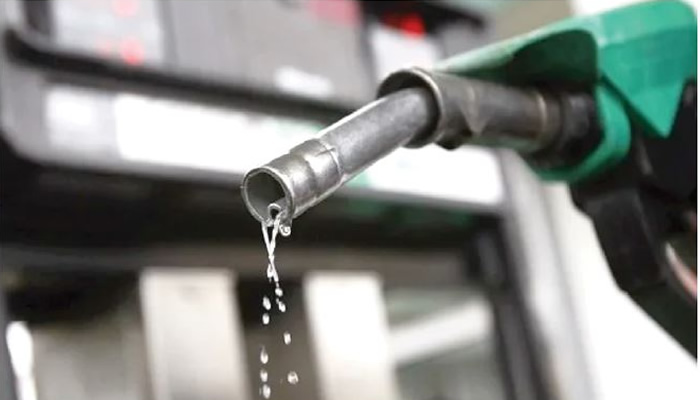
New 5% petrol tax promises billions for government, but hardship for ordinary Nigerians.
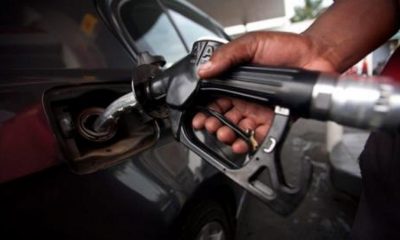
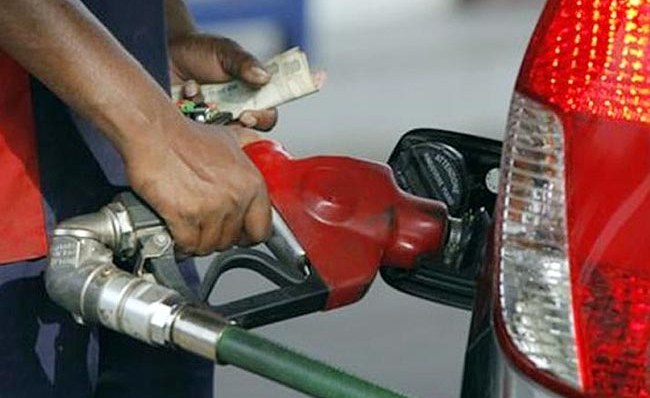
Come January 1, 2026, every litre of petrol bought in Nigeria will carry an additional burden: a 5% fuel surcharge, imposed under the new Nigeria Tax Administration Act. The government says the levy will yield an estimated ₦796 billion annually, but for millions of Nigerians already reeling from rising fuel prices, inflation, and subsidy removal, the announcement feels like another weight on weary shoulders.
Petrol tax
The Government’s Case
The Federal Ministry of Finance defended the surcharge as part of wider reforms to plug revenue gaps, reduce overreliance on crude oil exports, and modernise the tax system. Officials insist the levy will be channeled into infrastructure, renewable energy transition, and debt servicing.
READ ALSO:NIMC, INEC Partner on Integrated Voter and National ID Registration
“This is not punishment; it is a pathway to sustainability,” one senior official told reporters in Abuja. “We cannot build a future without asking citizens to contribute responsibly.”
The surcharge applies to petrol, diesel, and aviation fuel, but exempts household kerosene, LPG (cooking gas), CNG, and renewable energy products a nod to the government’s cleaner energy agenda.
The Human Cost
On the streets, the reactions are starkly different.
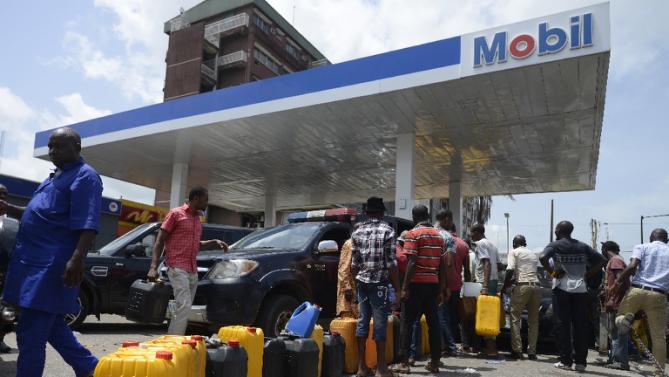
In Ojuelegba, Lagos, commercial bus driver Ojo shook his head as he did the maths. “If I buy 50 litres daily, that extra 5% means my cost goes up by almost ₦2,000 every day. Who will pay that? The passengers. And when they can’t pay, I park the bus.”
A petty trader at Mile 12 market, Mama Esther said she fears the ripple effect more than the pump price itself. “Once transport goes up, food prices rise. Tomatoes, yam, pepper everything. We are suffering already.”
Industry Pushback
Petroleum marketers also expressed concern. The Independent Petroleum Marketers Association of Nigeria (IPMAN) warned that while the tax will raise revenue, it will almost certainly deepen hardship.
“This surcharge will flow straight to the consumer,” said IPMAN spokesperson, Chinedu Ukadike. “Unless the government ring-fences the funds for visible infrastructure roads, power, and energy transition the people will see it only as another burden.”
Civil Society Warning
Civil society groups have called the policy “ill-timed” and “tone-deaf.” The coalition for good governance accused the government of treating citizens like “lab rats in an economic experiment.” Human rights groups fear the surcharge could trigger fresh protests similar to the #EndSARS-era demonstrations, particularly if trust deficits remain unaddressed.
The Numbers Game
By government estimates, Nigerians consumed about 18.75 billion litres of petrol in 2024, at an average pump price of ₦850 per litre. A 5% surcharge on that volume translates to nearly ₦796 billion yearly enough to build dozens of federal highways, fund university research, or improve power infrastructure nationwide.
But as economic analyst Mr. Olusesan Okunade notes, “Revenue without accountability is meaningless. Nigerians don’t just want to pay more; they want to see results. If the surcharge builds better roads, powers hospitals, or reduces blackouts, it might win acceptance. If not, it will only deepen mistrust.”
Between Sovereignty and Survival
Nigeria is not alone. Many countries impose fuel surcharges to finance climate goals or reduce fiscal deficits. But in nations where governance is fragile, taxation without visible returns can inflame public anger.
The balancing act is delicate: the state seeks solvency; the people demand survival. Between them stands trust thin, fragile, and fast eroding.
The Road Ahead
As the January rollout approaches, one thing is clear: Nigerians will pay more at the pump. Whether they also see better roads, cleaner energy, or stronger institutions will determine if this surcharge becomes a turning point in fiscal reform or just another tax in a nation already groaning under the weight of many.






 Entertainment7 days ago
Omoni Oboli applauds Nollywood filmmakers for their resilience

 Crime1 week ago
IGP Disu Refutes Reports of Total Squad Dissolution; Orders Strategic Thinning
 Crime7 days ago
Court jails former acting AGF Chukwunyere Anamekwe Nwabuoku over N868m fraud case
 Football6 days ago
Eritrea to end 18-year AFCON hiatus by hosting Eswatini

 Politics6 days ago
Lagos Assembly Hopeful Dr. Shipe Poise To Rebrand Epe Constituency 2

 Business6 days ago
Zenith Bank appoints Kennedy Okwudili Executive Director amid strong financial performance

 News6 days ago
Truck reportedly loses control along Beere–Oja Oba Road, multiple casualties feared (Video)

 Latest6 days ago
Meet our female contenders eyeing Ogun State’s top office in 2027