
Business
Privatisation of refineries, petroleum products’ availability, affordability- Experts

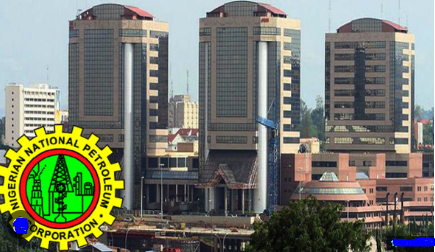
The Port Harcourt Refinery, managed by the Nigerian National Petroleum Company Limited (NNPC Ltd.) through the Port Harcourt Refining Company Limited (PHRC), resumed operations on November 26, marking the first truck-out of petroleum products since the completion of its rehabilitation.
This significant development follows years of dependency on imported petroleum products due to the moribund state of government-owned refineries.
The refinery, located in the Alesa Eleme area of Port Harcourt, has a refining capacity of 210,000 barrels per day (bpd). Its two operational units, established in 1965 and 1989, have been rehabilitated to resume production.
Currently, the refinery is operating at 90% of its 60,000 bpd capacity, refining products such as Premium Motor Spirit (PMS), Household Kerosene (HHK), and Automotive Gas Oil (AGO), commonly known as diesel.
The reopening of the Port Harcourt Refinery follows a 2023 flare start-up and mechanical completion, dispelling skepticism from critics.
Stakeholders, including oil marketers and the Society of Engineers, have confirmed the refinery’s functionality.
The Warri Refining and Petrochemicals Company (WRPC) also resumed operations on December 30, 2024, after being shut down for rehabilitation since 2021.
The Warri refinery, with a capacity of 125,000 bpd, is currently operating at 60% capacity, processing 75,000 bpd.
It produces millions of liters of diesel, kerosene, and fuel oil, with plans to produce PMS soon.
The resumption of these refineries has intensified competition in the deregulated downstream petroleum sector, and Nigerians are hopeful that petroleum product prices will decrease.
The Dangote refinery, which began operations in 2023, recently reduced its ex-depot price of PMS from N970 to N899.50 per liter, and NNPC Ltd. followed suit with a similar price reduction.
This competition has been praised by oil marketers and experts for its potential to benefit consumers.
Some stakeholders, including Dr. Maurice Ibe, an Oil and Gas Industry Consultant, are advocating for the privatization of state-owned refineries like Port Harcourt, Warri, and Kaduna to improve operational efficiency, competition, and transparency.
ALSO READ : Tinubu commends NNPCL for re-opening of Warri Refinery
Ibe argued that the NNPC Ltd. has shown a lack of capacity to manage these refineries effectively, and privatization would enhance Nigeria’s oil economy.
Economist Dr. Chijioke Ekechukwu also emphasized that more functional refineries, including Dangote, Port Harcourt, and Warri, would lead to lower petroleum product prices through a competitive market.
Similarly, Dr. Billy Gillis-Harry, National President of the Petroleum Products Retail Outlets Owners Association of Nigeria (PETROAN), called for privatization to boost efficiency, reduce government expenditure, and foster a competitive market.
These developments signal significant progress in Nigeria’s refining sector and are expected to reduce reliance on imported petroleum products, benefiting both the economy and consumers.












-

 Latest6 days ago
US Immigration fees rise from October 16 as USCIS announces new charges
-
 Latest17 hours ago
Israel marks 3 years since October 7 Hamas attack amid Gaza strikes, election debate
-

 Business5 days ago
Nigeria’s $55bn reserves raise fresh questions over naira value
-

 Health5 days ago
Florida sues Pfizer over deceptive COVID-19 vaccine marketing
-

 Business7 days ago
Tuoyo Erikowa wins digital marketing personality of the Year at 2026 EDGE awards
-

 Crime5 days ago
From camp to captivity: How kidnappers now target NYSC Corps members on highways
-

 Featured5 days ago
2027: Can Nigeria’s opposition still unite behind a single presidential candidate?
-

 Crime5 days ago
Fulani Militia leader linked to Christian killings arrested in Plateau