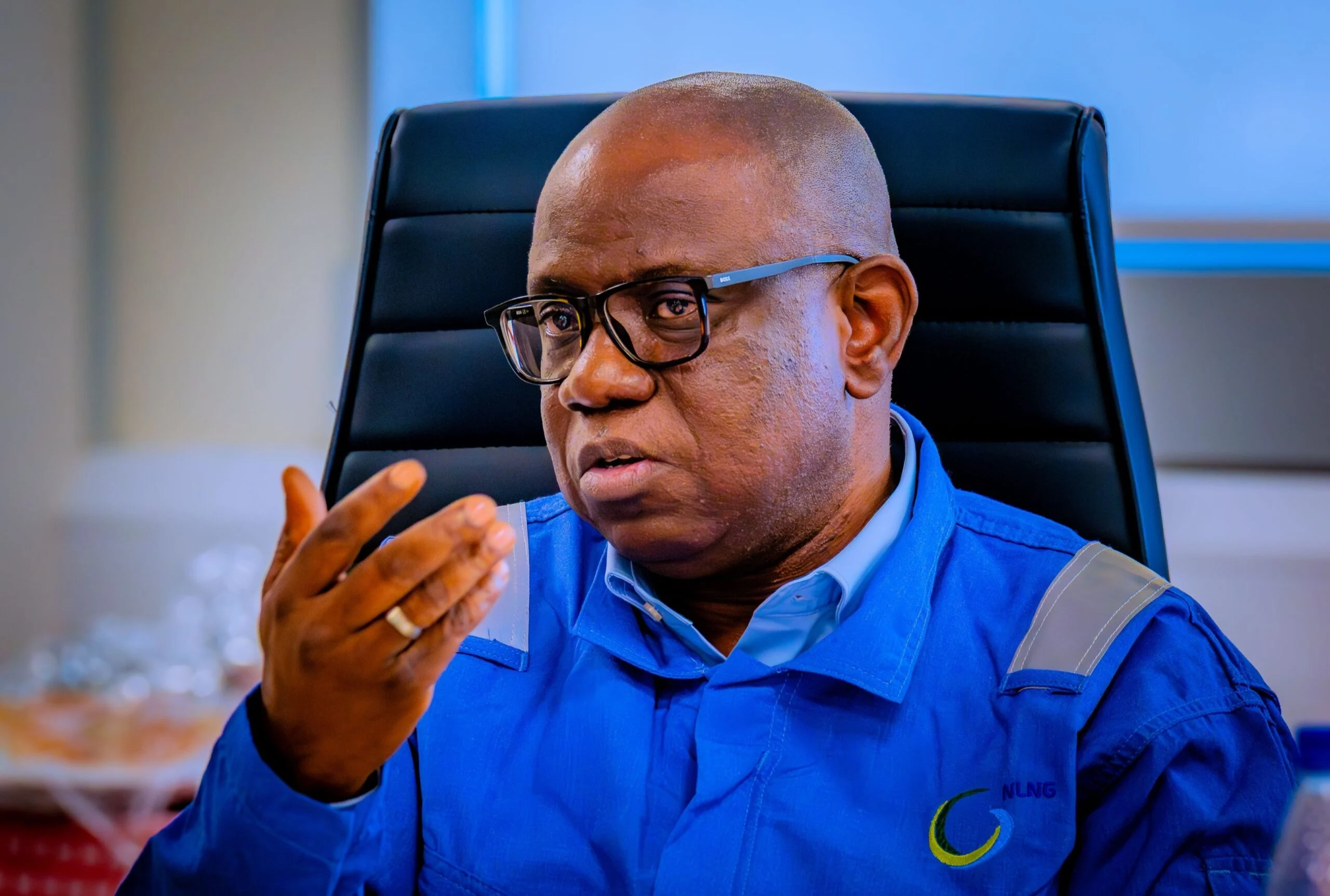
Group Chief Executive Officer of the Nigerian National Petroleum Company Limited (NNPCL), Bayo Ojulari, has disclosed that Nigeria was incurring staggering losses of between $300 million and $500 million every month when the Port Harcourt Refinery was operational.
Ojulari made the revelation yesterday during a meeting with the leadership of the Petroleum and Natural Gas Senior Staff Association of Nigeria (PENGASSAN) at the company’s headquarters in Abuja.
According to him, an immediate review of the refinery’s operations after he assumed office showed that the facility was processing crude oil at a massive loss.
“When I resumed, one of the first priorities I focused on was the refinery. I did a quick review to see if we could quickly fix it. What I found is that we were losing between $300 million to $500 million on a monthly basis in the refinery. We were pumping about 50,000 barrels of crude to go into the refinery. What was coming out was less than 40 per cent equivalent of what was coming in,” he explained.
He noted that the company decided to halt operations to prevent further losses and instead pursue a strategy that would transform the refinery into a sustainable, commercially viable venture.
READ ALSO: Petrobras eyes return to Nigeria’s oil sector as Tinubu, NNPCL court investment in deepwater opportunities
Ojulari said NNPCL had concluded both the technical and commercial reviews of its three refineries and found that the best way forward for the Port Harcourt facility was to partner with a professional refinery operator under a joint venture arrangement, similar to the Nigeria LNG (NLNG) model.
“We’ve completed the commercial review for the Port Harcourt refinery and from that review, we concluded that the best path forward is to get a true professional refinery company to join us and cooperate with us,” he stated.
He added that discussions were ongoing with potential partners, stressing that it was neither in Nigeria’s interest nor in NNPCL’s interest to continue investing funds in facilities that could not be fully operationalised or run profitably.
On the wider reforms in the oil and gas sector, Ojulari cautioned against pressure for quick fixes, insisting that long-term sustainability was the company’s priority.
“We are under attack. We will not budge to short-term pressure, as it will not be in the best interest of Nigerians. You cannot drive change without a price, and the transformation is tough. Tinubu did not put pressure on me to do the wrong thing. The baseline was to ensure that whatever we’re doing going forward sustainably works,” he said.
Ojulari assured workers that once the refinery restructuring plan is implemented and operations resume, jobs would be restored. For now, however, he called for cooperation from staff and stakeholders to ensure that the reforms yield long-lasting results.


 Energy7 days ago
 Crime6 days ago
 Football7 days ago
 Business7 days ago
 Crime6 days ago

 Business7 days ago
 Football2 days ago