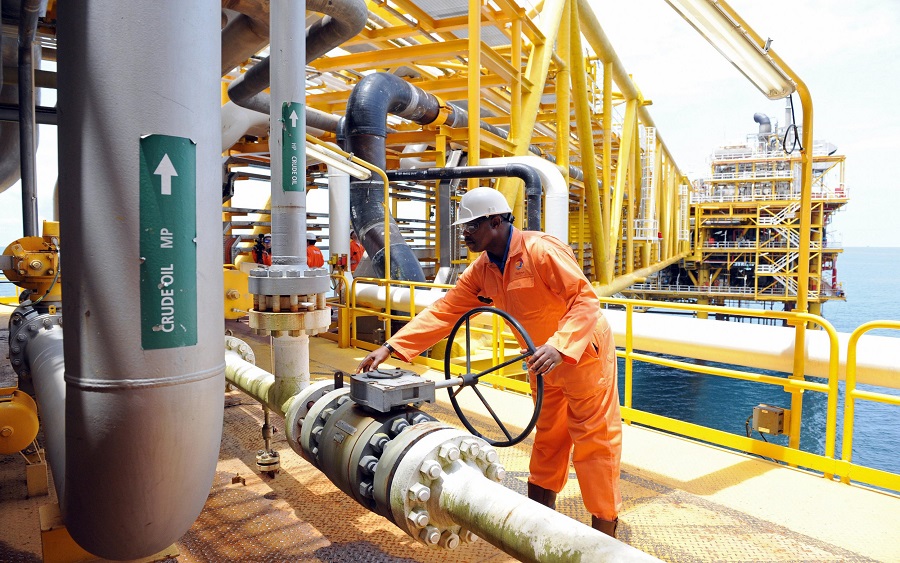
Oil marketers have expressed frustration over what they describe as the “slow pace” of rehabilitation work at the Old Port Harcourt Refinery, warning that the prolonged shutdown is deepening job losses and disrupting petroleum supply to key cities in Nigeria’s South-East and North-Central regions.
The refinery, which was shut down on May 24 for a scheduled 30-day maintenance, remains inactive months later.
According to the Zonal Chairman of the Petroleum Products Retail Outlets Owners Association of Nigeria (PETROAN), System 2E (Eastern Zone), Sunny Nkpe, repair works have stalled due to a lack of funding and top-level engagement.
In a statement issued Monday following a stakeholders’ visit to the facility, Nkpe alleged that NNPCL Group Chief Executive Officer (GCEO) Engr. Bashir Ojulari has yet to visit the refinery since assuming office four months ago.
“The contractors lamented that they have been owed for over 12 months without funding. All was set for the Old Port Harcourt Refinery to commence production, as repairs to the cracking and blending plants of Unit 12 and Unit 14 were almost completed before the new GCEO gave no commitment and showed lack of interest,” the statement read.
READ ALSO: Oil marketers decry unstable petrol prices amid NNPC, Dangote price war
Nkpe further claimed that the delay benefits private refineries by granting them a competitive monopoly, allowing them to sell petroleum products at “outrageous” prices.
He noted that consultations are underway with key industry stakeholders — including the Industrial Motor Branch (IMB) of the Nigeria Union of Petroleum and Natural Gas Workers (NUPENG), the Petroleum Tanker Drivers (PTD) branch of NUPENG, the Independent Petroleum Marketers Association of Nigeria (IPMAN), and the National Union of Gas Station Attendants of Nigeria (NUGASAN) — to determine a collective course of action to press for the refinery’s revival.
“Thousands of tanker drivers are out of work, alongside PETROAN and IPMAN staff. We must agree on legitimate options to call for the revival of the Port Harcourt Refinery,” Nkpe stressed.
He emphasised that the refinery plays a critical role in Nigeria’s petroleum distribution network, supplying major cities such as Aba, Enugu, and Makurdi.
The continued downtime, he warned, threatens to tighten supply chains, increase product scarcity, and put more pressure on pump prices.
Industry observers say the stalled rehabilitation underscores broader challenges facing Nigeria’s downstream oil sector, where dependence on imported refined products and delays in state-owned refinery repairs have left the market vulnerable to price shocks and private-sector dominance.


 Business1 week ago
 Latest6 days ago
 Business1 week ago
 Football1 week ago
 Business1 week ago
 Business1 week ago
 Football5 days ago
 Business4 days ago