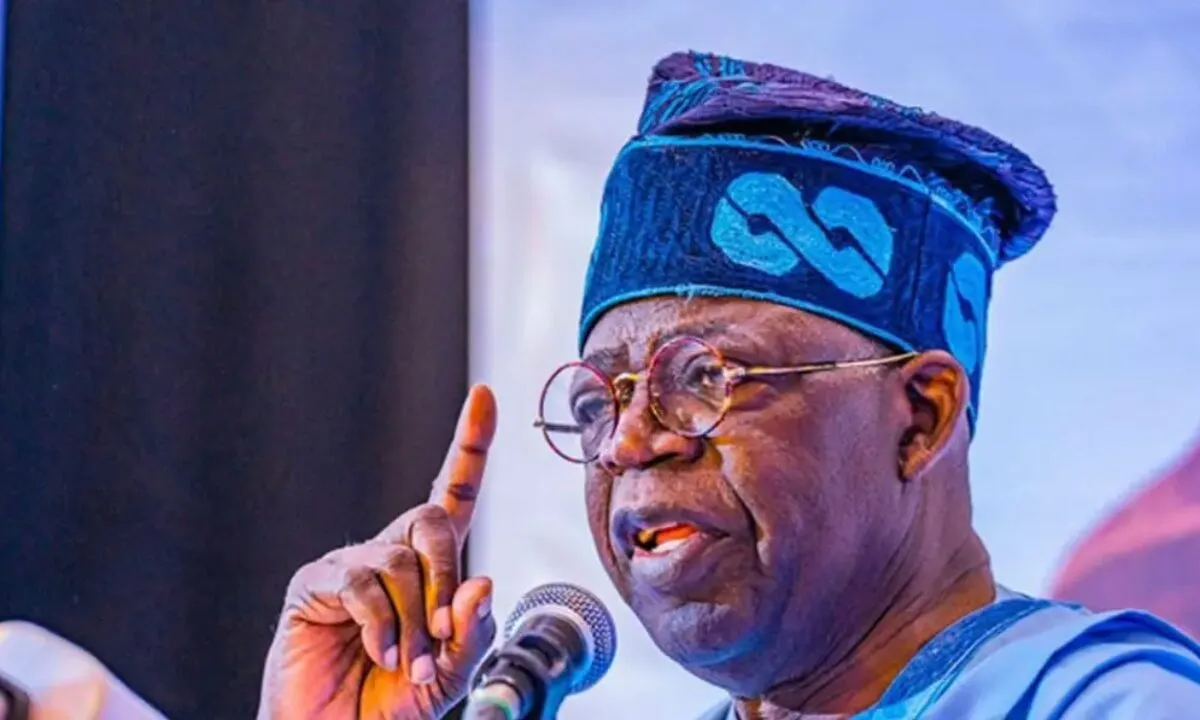
President Bola Ahmed Tinubu is facing a wave of condemnation following his controversial description of the recent massacre in Benue State as a “reprisal attack,” a remark that has sparked anger and disappointment among citizens, activists, and state officials.
The President, in a statement issued by his Special Adviser on Information and Strategy, Bayo Onanuga, expressed grief over the killing of over 200 villagers in Yelewata, Guma Local Government Area of Benue State. However, his characterization of the massacre as a “reprisal” has ignited a storm of criticism.
“President Tinubu has renewed his order in the wake of the latest round of reprisal attacks that led to the death of many people,” the statement read in part. However, the release failed to clarify the basis for labeling the attack as a reprisal, particularly in the face of reports suggesting the killings were unprovoked and targeted.
READ ALSO: KILLINGS: Tinubu playing with fire, Governor Alia playing politics, and showing gross insensitivity: HURIWA
Prominent voices from Benue State have taken to social media and public platforms to denounce the President’s wording, describing it as insensitive and misleading.
Atu Terver, the Principal Special Assistant to Governor Hyacinth Alia on Youth and Media Mobilization, voiced his distress in a Facebook post, writing, “The press statement by the President is just making me shed tears. How can you call genocide a reprisal attack?”
Civil rights activist and humanitarian Ukan Kurugh also condemned the statement. “Bayo Onanuga, speaking on behalf of the President on his X account, called this a reprisal attack? Indeed nobody is coming for us, but we must save ourselves,” he lamented.
Similarly, Aguredam Keghter Moses, Deputy Country Director of the African Youth Union Commission in Nigeria, suggested that the President’s remarks hinted at deeper implications. “That press statement from the President should communicate a ‘CLEAR MESSAGE’ already,” he said via his social media handle.
The backlash underscores growing concerns over the federal government’s perceived failure to adequately address security challenges and protect vulnerable communities, particularly in the North Central region plagued by persistent violence.
As the outrage builds, citizens and advocacy groups are demanding a more transparent, empathetic, and decisive approach from the Presidency to both acknowledge the scale of the tragedy and bring the perpetrators to justice.



 Football1 week ago
 Business7 days ago
 Latest5 days ago
 Business7 days ago
 Business1 week ago
 Football1 week ago
 Business1 week ago
 Business1 week ago