
Comments and Issues
The Smallest Victims: How Nigeria’s Children Became Prisoners of Our Silence

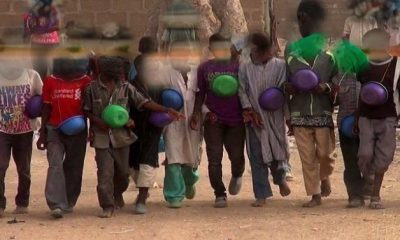
They hawk before they can spell. They dodge traffic before they understand it. They sleep under bridges and learn to walk before they’re allowed to dream. In Nigeria, the street is not just a path it is a playground, a workplace, and for too many children, a prison without bars.
You’ll find them on every corner, holding out bowls, selling pure water, or carrying hope in cracked buckets. Not because they want to, but because the nation that bore them refuses to shelter them. They are the silent victims of loud policies penned with fanfare, buried in bureaucracy.
Nigeria’s children are being failed with stunning consistency. They are victims of a country too rich to be poor and too educated to be this ignorant. In 2003, Nigeria passed the Child Rights Act a law that promised safety, dignity, and opportunity. Two decades later, twelve states are still dragging their feet, treating children’s rights like optional seasoning in the federal soup. The law may be on the books, but it isn’t in the streets, where it matters most.
READ ALSO: Children on the Streets, Leaders in Denial: Time for a Child Rights Emergency in Nigeria
Every year on Children’s Day, politicians in fine agbadas mount podiums and recite sweet nothings about “catching them young.” Yet the only ones catching children are the traffickers, the exploiters and sometimes, the very parents who traded protection for poverty. The children, meanwhile, go back to hawking sachets in lagos traffic, or begging under the hot sun in Sokoto, wondering when “tomorrow” will come.
UNICEF says over 10.5 million Nigerian children are out of school. That’s not just a number it’s an indictment. It’s the sound of broken promises echoing across classrooms that no longer echo with laughter. It’s a national disgrace dressed in silence. And it’s not just about books. It’s about the little girl in Osun who was raped by her mother’s landlord and told to “forgive and forget.” It’s about the boy in Kano, dumped in a strange city under the guise of religion, now begging for food in rags of faith. It’s about the 12-year-old housemaid in Lagos, bought like bread and beaten for breathing wrong.
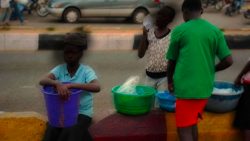
“Buckets of Ice, Hearts on Fire.”
Street children endure the heat of neglect, chasing cold comfort in a country full of promises.
These are not just stories. They are symptoms. They are signs that the soul of the nation is sick not with poverty alone, but with apathy. We have become so used to child abuse that we scroll past it like old news. We’ve developed emotional immunity to images that should haunt us. What kind of country mourns celebrities louder than it rescues children? ehen na wa o
We like to say “children are the leaders of tomorrow.” But if today is soaked in trauma, what kind of tomorrow are we building? How do you lead with a broken spirit? How do you govern when you were raised without love, without law, without lunch?
This is not a cry for charity. This is a demand for justice. Because childhood is not a privilege it is a right. And when a society steals it, it doesn’t just rob the child. It bankrupts its own future.
The tragedy is not just that abuse happens. It’s that it continues in daylight, in compounds, in markets with adults who know but do nothing. The real crime is not just the act, but the silence that follows. The neighbours who look away. The teachers who ignore the signs. The judges who delay. The religious houses that pray but never protect. The journalists who move on to the next headline. We are all guilty not of touching the child, but of letting it happen.
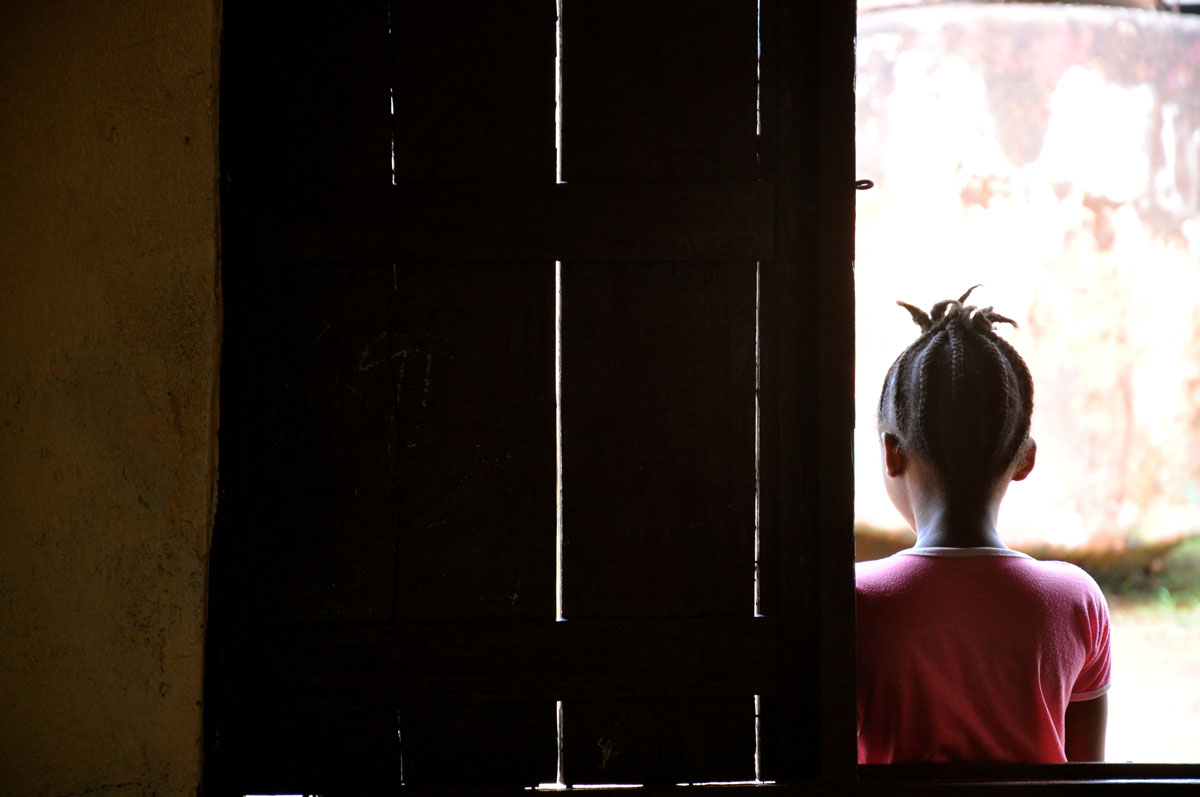
A poignant moment of waiting or uncertainty, with no identifiable features. photo credit : Freedom Fund report on West Africa
The future of any nation is shaped by the hands it protects today. And if we do not act not with policy papers, but with practical purpose we are merely co-authoring a national obituary written in the handwriting of the neglected children.
Nigeria must choose. Between slogans and shelter. Between pity and protection. Between denying the crisis and declaring an emergency.
Because until we do, every unprotected child is a mirror. And what we see staring back is not just their pain but our failure. Ire oooo






 Football6 days ago
Iraq ends 40-year World Cup exile as Baghdad erupts in joy
 Business6 days ago
Nigeria braces for cost surge amid 2026 inflation projections

 Business5 days ago
Naira slips to N1,387/$ in March amid persistent FX market turmoil
 Crime1 week ago
Kano-based lawyer reportedly dies after being trapped in Abuja hotel lift
 Latest4 days ago
ADC accuses INEC of misinterpreting court order, demands chairman’s removal amidst growing leadership crisis

 Business6 days ago
CBN confirms 33 Banks meet minimum capital requirements as recapitalization deadline ends

 Football1 week ago
Woman alleges 18 years of abuse by Mikel Obi’s family as she seeks divorce from former captain’s brother

 Football6 days ago
Real Madrid eyes Nigerian-born defender Honest Ahanor amid defensive reshuffle