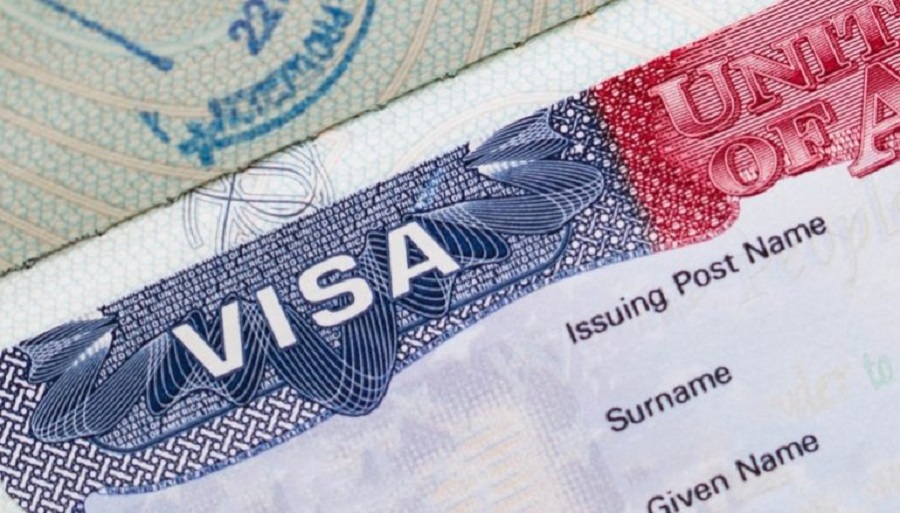
The United States has announced that all visa applicants, including Nigerians, must now disclose every social media handle they have used in the past five years as part of the visa application process.
The directive was highlighted in a notice issued by the U.S. Mission in Nigeria and applies to applicants filling out the DS-160 form — the standard application for non-immigrant visas.
According to the notice, applicants are required to provide usernames or handles for every social media platform they have maintained during that period.
“Visa applicants are required to list all social media usernames or handles of every platform they have used from the last five years on the DS-160 visa application form,” the statement read. “Applicants certify that the information in their visa application is true and correct before they sign and submit. Omitting social media information could lead to visa denial and ineligibility for future visas.”
The U.S. government said the measure reflects a global shift toward heightened scrutiny of digital footprints, as governments increasingly weigh online activity in making security and immigration decisions.
The requirement was first introduced in 2019 under former U.S. President Donald Trump as part of a wider tightening of visa vetting procedures.
Despite a change of administration, the policy has remained in force under President Joe Biden. U.S. officials maintain that reviewing online activity allows consular officers to better assess potential security risks and verify an applicant’s identity.
READ ALSO: U.S moves to scrap open-ended U.S. visa stays for students, journalists, exchange visitors
Nigeria ranks among the leading sources of international travelers to the United States, with strong demand for student, work, and tourist visas.
The country also has one of Africa’s most vibrant social media ecosystems, with platforms such as Facebook, Instagram, TikTok, and X (formerly Twitter) playing central roles in political discourse, entrepreneurship, and cultural expression.
Analysts note that the mandatory disclosure rule gives U.S. visa officers a formalized mechanism to cross-reference an applicant’s digital presence with the information provided on official forms, a step that could expose discrepancies or misrepresentations.
The announcement also comes at a time of heightened scrutiny of migration flows into the United States.
In July, Washington revised its visa policy for Nigerian nationals, introducing more restrictive terms for most non-immigrant, non-diplomatic categories.
Under the new arrangement, most Nigerians seeking entry into the U.S. will only be issued single-entry visas valid for three months — a significant shift from previous reciprocity agreements between the two countries.
The U.S. government said the changes are part of broader efforts to align global visa standards with its immigration and security protocols.
With visa demand in Nigeria consistently outpacing available appointment slots, the requirement to disclose social media handles is expected to become a key factor in ensuring smoother processing for thousands of applicants. Failure to comply, however, could result in delays, outright denials, or long-term ineligibility for U.S. visas.



 Football3 days ago
 Energy1 week ago
 Crime1 week ago
 Football1 week ago
 Business1 week ago
 Crime1 week ago
 Business1 week ago