
Business
Dangote Refinery slashes petrol price to ₦865/Litre

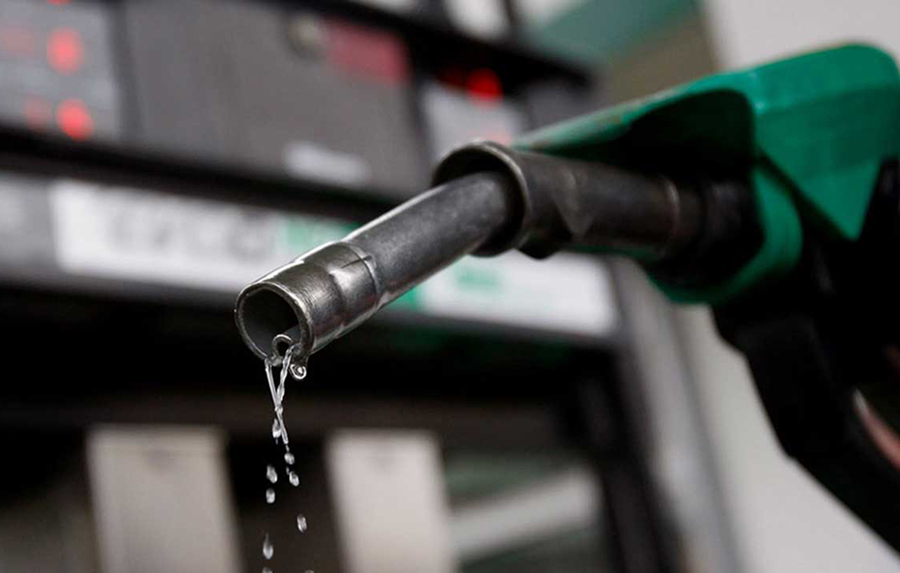
In a significant development for Nigeria’s downstream petroleum sector, the Dangote Refinery has reduced the ex-depot price of petrol to ₦865 per litre, effective Thursday morning.
The price drop comes in the wake of the federal government’s suspension of the controversial Naira-for-crude oil deal, signaling a major shift in the country’s fuel pricing dynamics and supply chain operations.
The refinery, located in the Lekki Free Zone and boasting a capacity of 650,000 barrels per day, is Africa’s largest and one of the most ambitious industrial projects in Nigeria’s history. The reduced pump price is expected to ease pressure on consumers and stimulate more stable supply flows across the country.
The price cut follows the government’s suspension of the Naira-for-crude oil arrangement, a temporary policy that had allowed the Nigerian National Petroleum Company Limited (NNPC) to supply crude to local refiners in exchange for payment in Naira rather than U.S. dollars.
The policy, while initially designed to support domestic refineries and preserve foreign exchange, drew criticism for distorting market signals and undermining transparency in crude allocation.
The reversal has prompted refineries to seek crude oil supplies on commercial terms, leading to more competitive pricing practices.
Oil marketers, including major players such as MRS Oil Nigeria Plc, have confirmed the commencement of fuel lifting operations from the Dangote Refinery, signaling a critical step forward in domestic fuel supply realignment.
Industry sources say that the new pricing regime from Dangote offers a modest reduction from the previous ex-depot rate, which hovered between ₦940 and ₦985 per litre depending on logistics and distribution factors.
READ ALSO: FG’s Naira-for-Crude committee to reconvene amidst Dangote Refinery deal uncertainty
“This is a welcome relief for marketers. The lower price makes distribution more viable and could gradually translate into reduced pump prices at filling stations,” said an executive with the Independent Petroleum Marketers Association of Nigeria (IPMAN).
The Dangote Refinery’s decision is likely to have ripple effects across the fuel retail sector, potentially stabilizing pump prices that have spiked above ₦1,000 per litre in some regions due to import dependency, logistics bottlenecks, and exchange rate volatility.
Economic analysts suggest that this move could ease inflationary pressure on transport costs and essential goods, especially if sustained over the coming months.
“A consistent local supply at sub-₦900/litre levels is a game-changer. It could help rein in inflation and reduce Nigeria’s reliance on fuel imports,” noted Dr. Tayo Adeleke, an energy economist at the University of Lagos.
The ramp-up in distribution from the Dangote facility also marks a turning point for Nigeria’s refining aspirations. For decades, the country has been plagued by underperforming state-owned refineries, resulting in heavy import reliance despite being a major crude oil producer.
Industry watchers are optimistic that continued output from the privately-owned Dangote plant, alongside supportive government reforms, could rejuvenate investor confidence in Nigeria’s energy sector.
“Dangote’s aggressive pricing could trigger a competitive ripple effect, especially once other modular refineries come onstream,” said petroleum analyst Grace Udo.
As the Dangote Refinery ramps up operations and aligns pricing with market realities, Nigeria may be entering a new era of fuel self-sufficiency and pricing stability.


-

 Football6 days ago
Banda, Chawinga make 2026 Women’s Ballon d’Or top 30 shortlist
-

 Featured6 days ago
Peter Obi, Makinde and the 2027 elections: Can unity really challenge APC?
-

 Business1 week ago
Nigerian Breweries’ H1 profitability strengthens as revenue hits N804bn
-

 Trending Stories5 days ago
Davido, Wizkid, Burna Boy or Asake: Who is having the biggest 2026 so far?
-
 Business1 week ago
Nigeria records N12.59trn trade surplus in Q2 2026 — NBS
-
 Football4 days ago
Premier League releases 2026/27 festive fixtures, 7 matches set for Boxing Day
-

 Business2 days ago
Jetour Nigeria, dealers take dashing, other models to Abuja Experience
-

 Latest1 week ago
Tinubu’s US legal battle: Group questions silence of elder statesmen