
News
New US policy to recognize only legally registered marriages for refugee, asylum spousal

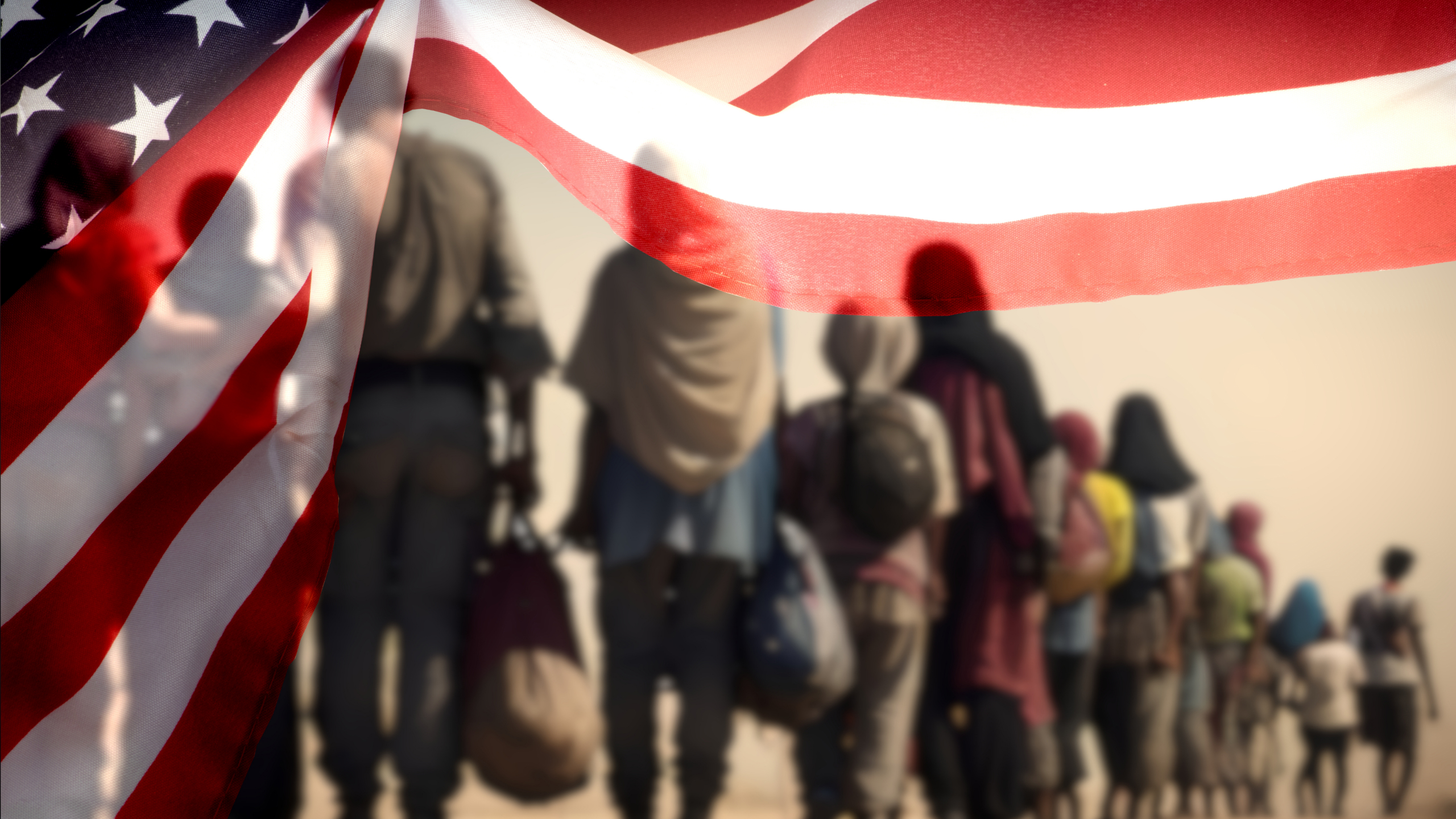
The United States Citizenship and Immigration Services (USCIS) has introduced a major policy overhaul that could significantly impact thousands of refugee and asylum seekers hoping to reunite with their spouses in the United States.
Effective July 3, 2025, USCIS will only recognize legally registered civil marriages—and no longer accept religious or customary unions—for purposes of granting derivative immigration benefits to spouses of principal refugees or asylees.
In a formal update published in the USCIS Policy Manual (Volume 4), the agency stated that the revision mandates that all marriages between principal refugees or asylees and their claimed derivative spouses must be legally valid under the civil law of the jurisdiction where the marriage was celebrated.
“Under the updated guidance, all marriages between principal asylees or principal refugees and their claimed derivative spouses must be legally valid… to be considered valid for immigration benefit purposes,” the USCIS announcement emphasized.
The new directive means that unions performed solely under religious or customary rites—without registration under civil law—will no longer qualify for spousal sponsorship in refugee or asylum cases.
This marks a significant departure from previous practice, where such marriages were sometimes recognized with supplemental documentation.
This policy will apply to all new applications filed from July 3, 2025, and also to pending cases that have not yet received a decision.
Experts warn the implications of this change will be most felt in countries where non-civil marriage systems are prevalent. This includes large parts of Africa, South Asia, and the Middle East.
READ ALSO: Rwanda in early talks to receive deported immigrants from the United States
Applicants from countries with dominant customary or religious marriage systems such as Nigeria, Uganda, India, Afghanistan, and Somalia, where civil registration is often overlooked or not prioritized.
“This policy change is likely to disrupt family reunification for thousands, especially those from societies where legal registration of marriage is secondary to religious or tribal traditions,” said Dr. Lara Akintola, a migration policy expert based in Washington. “It places a burden on applicants to retroactively validate unions that are culturally and socially accepted but not formally documented.”
USCIS said the change aligns its guidance with long-standing case law and administrative practices, while also serving to curb fraudulent claims within the refugee and asylum program.
The policy shift also reflects executive directives under President Donald Trump’s second administration, including Executive Order 14148, which rescinds prior immigration guidance, and Executive Order 14163, which aims to overhaul refugee admissions by prioritizing legality and procedural uniformity.
“This move promotes legal consistency and ensures that marriages used to confer immigration benefits are both bona fide and legally recognized,” the agency explained.
READ ALSO: Nigeria, 35 other countries face new visa restrictions under Trump policy shift
To ensure eligibility, USCIS strongly recommends that couples seeking to qualify under the refugee or asylum categories take the following steps:
Obtain a civil marriage certificate, even if a religious or traditional wedding ceremony was already conducted.
Verify the legal standing of the marriage in the country or state where it occurred. Some jurisdictions allow for retroactive civil registration of customary unions.
Gather supporting documentation, including government-issued marriage certificates, proof of cohabitation, evidence of shared children or financial responsibilities, and joint property or accounts.
“This is not just a technical change—it’s a policy shift that affects real lives,” added immigration attorney Maria Espinoza, who works with asylum clients in Texas. “People need to act fast to avoid having their applications denied or delayed.”
USCIS has urged prospective applicants to consult legal professionals to assess whether their current marital documentation meets the updated standards.
With this sweeping change set to take effect within days, legal experts and advocacy groups are now ramping up efforts to inform potentially affected families around the world.


-
 Latest5 days ago
US Immigration fees rise from October 16 as USCIS announces new charges
-
 Latest13 hours ago
Israel marks 3 years since October 7 Hamas attack amid Gaza strikes, election debate
-

 Business5 days ago
Nigeria’s $55bn reserves raise fresh questions over naira value
-

 Health5 days ago
Florida sues Pfizer over deceptive COVID-19 vaccine marketing
-

 Business7 days ago
Tuoyo Erikowa wins digital marketing personality of the Year at 2026 EDGE awards
-

 Crime5 days ago
From camp to captivity: How kidnappers now target NYSC Corps members on highways
-

 Featured5 days ago
2027: Can Nigeria’s opposition still unite behind a single presidential candidate?
-

 Crime4 days ago
Fulani Militia leader linked to Christian killings arrested in Plateau