
Editorial
Nigeria :A Wealthy Nation, Poor in Purpose

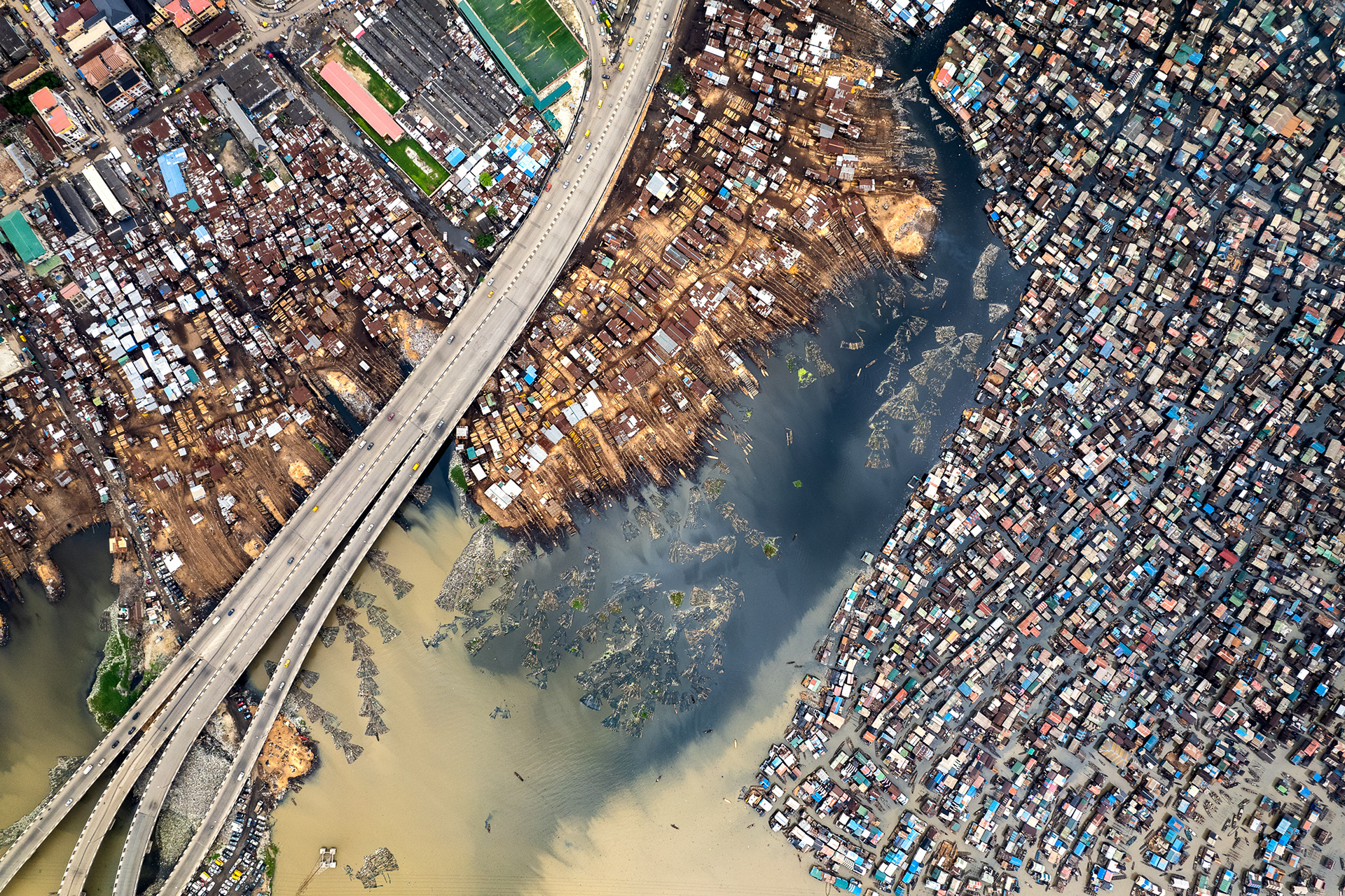
In a land where oil glistens beneath the earth and sun-soaked soil can grow anything, poverty still eats three times a day. Nigeria, the paradoxical giant, continues to stumble under the weight of its own riches, baffling both citizens and observers alike. It is a country too wealthy to be this poor, and too educated to still be this uninformed yet here we are, rehearsing the same crisis in different languages.
READ ALSO:Customs, NAFDAC Launch Joint Committee to Enforce 2024 Drug, Border Safety Pact.
The numbers dazzle on paper. Africa’s largest economy. Over two hundred million people. Natural resources in abundance. A diaspora remitting billions back home. A population brimming with young minds, many of them graduates, thinkers, and digital creators. But for all its potential, Nigeria still finds itself in a relentless struggle to deliver the basics: food, light, jobs, justice.
It’s not a shortage of resources that has brought us here, but a shortage of responsibility. Money flows, but often into the wrong hands. Roads are awarded, but rarely completed. Budgets balloon, yet schools remain without chalk and clinics without gauze. The more the country earns, the less its citizens seem to have. And in all this, the elite continues to smile from tinted windows while the masses dodge potholes and promises.
vivid evidence of inequality in the city core.
Our educational institutions, once fountains of brilliance, now produce graduates with folders full of certificates and hearts full of anxiety. Thousands are trained every year engineers who never build, economists who can’t explain the market, political scientists stuck in motor parks. Degrees are worn like armor, but they rarely shield anyone from the storm of unemployment and disillusionment.
It’s not that Nigerians are not educated. It’s that we’ve built a culture where education rarely questions power, and where knowledge is memorised but not mobilised. Where citizens can quote Western philosophers but stay silent when their local councillor loots. Where some prefer prophecy to policy, and tribal loyalty to national truth.
The nation remains trapped in a loop elections without real choice, protests without protection, policies announced but never implemented. The players change, but the game remains rigged. Corruption is no longer just an issue it’s an institution. And ignorance is no longer just a lack of schooling it’s a national tradition. We shrug off scandal. We normalise absurdity. We glorify suffering. We bury outrage under hashtags.
Yet, hope lingers. It lingers in the artist who sketches freedom, the teacher who shows up without pay, the tech innovator coding in darkness, the voter who still believes in ballots, the market woman who turns coins into meals. Nigeria has never lacked dreamers. What it lacks is the system to honour those dreams.
There is something almost tragic about a country with this much light still crawling in the dark. We are the promise that never matures, the flame that keeps flickering, the question that won’t go away. How long can we go on like this? How long before we stop being an anecdote and start becoming an answer?
Nigeria does not suffer from lack. It suffers from leakage. It does not lack intelligence. It lacks integrity. It is not broken beyond repair but it is bruised beyond denial.
We are not waiting on a miracle. We are waiting on memory the memory of who we said we would be, and the courage to become it. The time for excuses has expired. The world is moving. And if Nigeria must claim its place, it must first reclaim its sense.




-

 Football7 days ago
UEFA threatens FIFA World Cup boycott over proposed private investment plan
-
 Business5 days ago
Information Minister, VON DG to lead ARCON’s 2026 Advertising Industry Colloquium
-
 Education3 days ago
University of Ibadan releases 2026/2027 post-UTME screening results
-
 Business6 days ago
Cooking gas dealers slash prices amid intensifying market competition
-

 Latest1 week ago
ADC petitions Judge after Appeal Court overturns deregistration ruling
-
 Aviation5 days ago
Canada issues 10 key tips to help immigration applicants avoid processing delays
-
 Business3 days ago
Breaking: NNPCL reduces pump price of petrol as competition intensifies
-
 Energy7 days ago
Dangote Refinery offers fresh hope for Nigeria’s industrial transformation