
Latest
Trapped by the Flood, Maiduguri Community’s Endless Wait

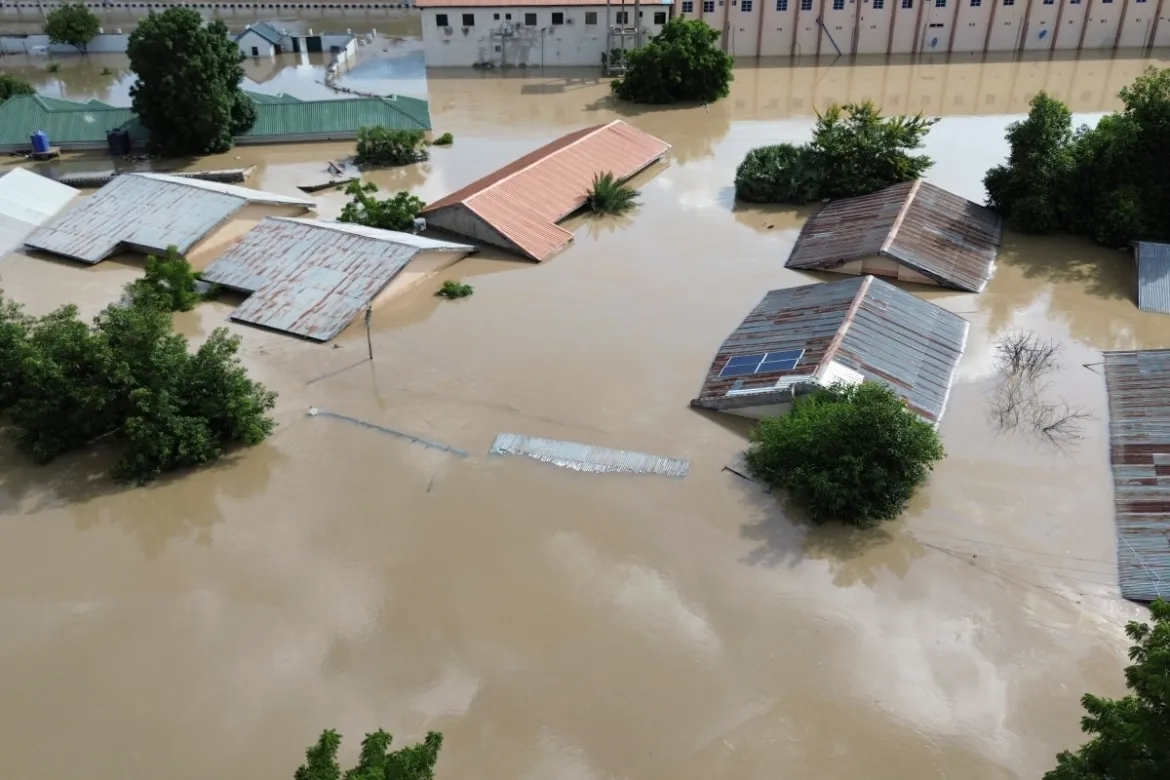
Trapped by the Flood, Maiduguri Community’s Endless Wait for Relief.
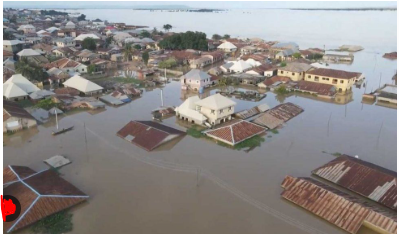
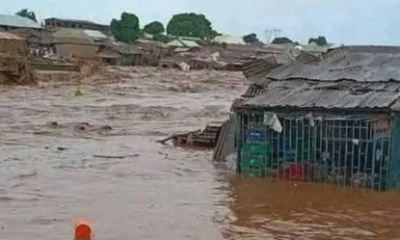
For more than two weeks, the people of Kushari in Maiduguri have lived waist-deep in water. The floods have turned their homes into islands, their schools into ponds, and their businesses into wreckage. In the evenings, the call to prayer echoes over stagnant pools, while children wade barefoot through filthy water to fetch food from relief trucks. “We no longer sleep in beds,” says Aisha, a mother of four. “We spread mats on raised blocks and pray the water does not rise again at night.”
Houses submerged under floodwaters in Maiduguri. [Audu Marte/AFP]
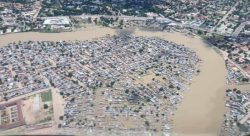
Aerial view images of flooding in Kushari
The human cost is staggering. Schools have been shut, places of worship submerged, and businesses destroyed. Local health workers warn of a looming cholera outbreak, as families fetch drinking water from the same pools where mosquitoes breed and refuse floats. “We are on the edge of a public health emergency,” says Dr. Usman, a physician residing in Borno State “Once cholera spreads in these waters, it will be devastating.”
READ ALSO: Nigeria’s New Weather Puzzle
Yet, beyond the human suffering, the Kushari flood reveals a deeper story of climate injustice. Nigeria contributes less than one percent to global carbon emissions, but communities like Kushari are paying the highest price. Wealthier nations drive the emissions, but it is the poor who drown, displaced without insurance or safety nets.
Community leaders are pleading with the government for urgent drainage systems before the rains intensify. But residents say they cannot wait for bureaucracy. “We need action now, not promises,” says Musa, a trader whose shop was swept away. “If nothing is done, next year will be worse.”
Still, resilience flows even where waters rise. Neighbours have pooled resources to build makeshift walkways with sandbags and planks, while youth groups patrol flooded streets at night to prevent looting of relief materials provided by the National Emergency Management Agency ( NEMA) “We are not giving up,” says Halima, a young student who studies under a lantern perched on a dry wooden bench. “If the flood wants to drown us, we will rise above it.”
In Kushari, the floodwaters may eventually recede. But unless urgent action is taken, the memory of this disaster will return with the rains, stronger and more unforgiving. The story of this community is not just local it is the global story of climate change: those least responsible bear its greatest weight.
While, Trapped by the Flood, Kushari Community reminds the world of a painful truth while the climate crisis is universal, its heaviest burdens are carried by those with the fewest means to endure them.











-

 Featured3 days ago
BREAKING NEWS: Shouts of joy rock the world as Pastor Chris opens final Healing Streams edition for 2026
-

 Football4 days ago
Man United shortlist Emery, Nagelsmann as potential replacements for Carrick
-

 Business3 days ago
Hoodlums raid JED Benue office, abduct 10 staff over power dispute
-

 Business7 days ago
Naira faces exchange rate gap as Dollar hits N1,380 on parallel market
-

 Football4 days ago
Aston Villa ready to freeze out Garnacho to avoid £43m Chelsea transfer
-

 Business4 days ago
EV adoption: Roxettes seeks cheaper financing, local manufacturing incentives
-

 Latest3 days ago
Akpabio tasks Tompolo-backed movement with spreading Tinubu’s renewed hope message
-

 Business2 days ago
How Ethiopian Airlines is challenging Africa’s aviation narrative through self-reliance