
News
England Moves to Ban Sale of Energy Drinks Underage

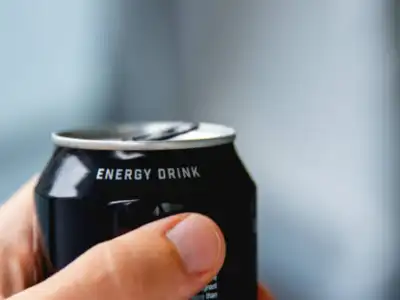
England moves to Ban the sale of high-caffeine energy drinks such as Red Bull to children under 16, in what the government is calling a bold step toward protecting young people’s health and academic performance.
Health Secretary Wes Streeting announced the plan on Wednesday, arguing that the drinks often marketed as harmless boosts of vitality pose hidden dangers to teenagers’ wellbeing.
“By preventing shops from selling these drinks to kids, we’re helping build the foundations for healthier and happier generations to come,” Streeting said in a statement.
The move comes amid growing concern that children are consuming caffeine at levels designed for adults. According to government estimates, up to a third of 13- to 16-year-olds in England regularly drink energy beverages, some of which contain more caffeine than two cups of coffee in a single can.
England moves to ban sale of energy drinks to underage
A Daily “Double Espresso” for Schoolchildren
“How can we expect children to do well at school if they have the equivalent of a double espresso in their system on a daily basis?” Streeting asked, pointing to evidence linking energy drink use to sleep disruption, poor concentration, and anxiety.
While many supermarkets have already imposed voluntary age restrictions on sales, ministers argue that a legal ban is necessary to close gaps in enforcement and tackle what they describe as a silent epidemic of caffeine dependence among children.
Consultation and Next Steps
The government will launch a 12-week consultation to gather views from health experts, parents, teachers, retailers, and manufacturers before finalizing the legislation.
Under existing rules, any drink with more than 150mg of caffeine per litre must carry a warning label stating it is not recommended for children. Campaigners have long argued that labels are insufficient, since young people often ignore them or are unaware of the risks.
“Energy drinks might seem harmless, but the sleep, concentration, and wellbeing of today’s kids are all being impacted,” Streeting warned. “Meanwhile, high-sugar versions damage their teeth and contribute to obesity.”
READ ALSO: Naira Rising, Politics Shrinking
A Health and Education Issue
The proposed ban reflects wider concerns about children’s diets and health outcomes in England. Policymakers are increasingly alarmed by the links between excessive caffeine, sugar intake, and academic underperformance. Teachers have complained that pupils arrive in classrooms jittery, irritable, or exhausted from late-night consumption.
Parents, too, have voiced frustration at the ease with which children can buy cheap, highly caffeinated products marketed with flashy branding and youth-oriented slogans.
Setting a Precedent
England Moves to Ban sales of energy drinks to underage , If approved, the measure would make England one of the few countries to introduce a nationwide restriction on energy drink sales to minors. Advocates say it could pave the way for tougher regulations on other high-sugar, high-caffeine products targeted at children.
For now, ministers insist the policy is not about demonizing energy drinks but about safeguarding childhood. As Streeting put it: “We are acting on the concerns of parents and teachers, and tackling the root causes of poor health and poor educational attainment head on.”
AFP












-
 Latest7 days ago
US Immigration fees rise from October 16 as USCIS announces new charges
-
 Latest2 days ago
Israel marks 3 years since October 7 Hamas attack amid Gaza strikes, election debate
-

 Business6 days ago
Nigeria’s $55bn reserves raise fresh questions over naira value
-
 Health6 days ago
Florida sues Pfizer over deceptive COVID-19 vaccine marketing
-

 Business1 week ago
Tuoyo Erikowa wins digital marketing personality of the Year at 2026 EDGE awards
-

 Crime6 days ago
From camp to captivity: How kidnappers now target NYSC Corps members on highways
-

 Featured7 days ago
2027: Can Nigeria’s opposition still unite behind a single presidential candidate?
-

 Crime6 days ago
Fulani Militia leader linked to Christian killings arrested in Plateau