
Featured
LASG warns residents against consuming spoiled tomatoes amid rising prices

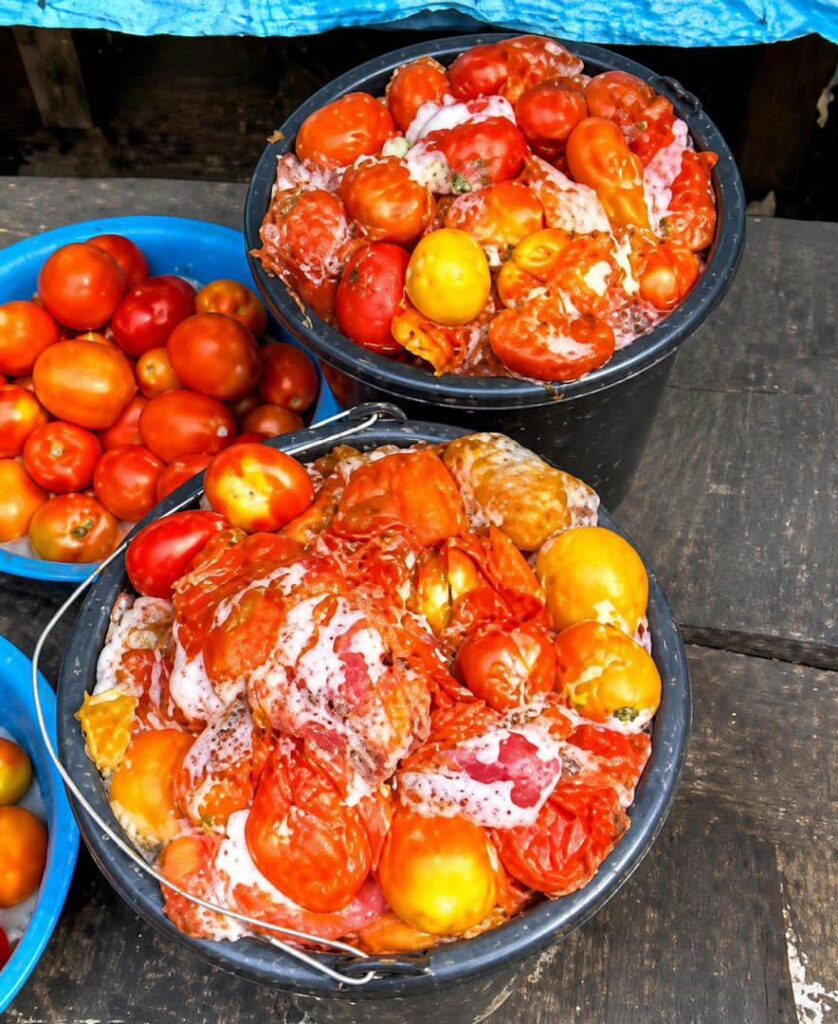
The Lagos State Government has warned residents against buying and consuming spoiled or fungus-infested tomatoes, popularly referred to as “Ata Esha” or “Esha,” citing serious health risks linked to contaminated food products.
The warning was issued on Sunday by the Lagos State Consumer Protection Agency (LASCOPA), which said deteriorating tomatoes could expose consumers to dangerous toxins capable of causing severe illnesses, including liver damage and other long-term health complications.
The advisory comes amid a sharp increase in tomato prices across major markets in Lagos and other parts of the country.
Market surveys indicate that the cost of a 50kg basket of fresh tomatoes has risen significantly in recent weeks, forcing many low-income households and food vendors to seek cheaper alternatives, including partially rotten tomatoes sold at discounted prices.
However, state authorities warned that the financial savings associated with purchasing spoiled produce could come with serious health consequences.
LASCOPA General Manager, Afolabi Solebo, cautioned residents against the common belief that boiling, frying, or washing spoiled tomatoes thoroughly makes them safe for consumption.
According to him, harmful toxins produced by fungi and mold in rotten tomatoes can survive normal cooking temperatures.
“Cooking or frying contaminated tomatoes may not eliminate the harmful substances contained in them,” Solebo said. “Residents should prioritize their health and avoid consuming visibly spoiled food items.”
Public health experts explained that once tomatoes begin to decay, they can become breeding grounds for fungi that produce toxic substances known as mycotoxins, including aflatoxins.
Medical experts warn that prolonged exposure to such toxins may increase the risk of liver disease, weakened immunity, food poisoning, and other serious health conditions.
They also cautioned pregnant women against consuming contaminated food products due to potential risks to maternal and child health.
The Lagos State Government said monitoring teams have been deployed to major markets across the state to identify and remove unsafe food products from circulation.
Authorities also warned traders against knowingly selling heavily spoiled tomatoes and other contaminated produce to consumers.
Residents were advised to carefully inspect tomatoes before purchase and avoid products showing signs of mold, leakage, foul smell, or unusual discoloration.
The government further encouraged consumers to report traders selling unsafe food items to relevant public health agencies.


-

 Featured5 days ago
Ranking the seven greatest World Cup finals of all time
-

 Business7 days ago
OPay breaks silence on viral September shutdown claim
-

 Latest6 days ago
Tinubu’s FBI records: Omokri challenges claims, cites 2003 Embassy reply
-

 Business4 days ago
X3M Ideas donates 50 Walkie-Talkies to strengthen security operations in Onigbongbo
-

 Latest5 days ago
2027: Atiku vows direct payment of local government funds if elected president
-

 Latest6 days ago
2027: Atiku, Obi absent as opposition begins talks on single presidential candidate
-

 Latest6 days ago
Anambra 2027: INEC, NDC clash over 10 disputed Assembly candidates
-

 Latest2 days ago
Cole-Alegbe unveils memoir, urges leaders to harness technology for lasting impact