BY – INEH IMMANUELLA
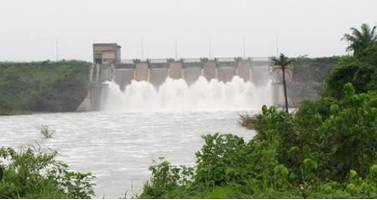
It has been nearly a year since the floodwaters from the Oyan dam swept through Opic down to Mowe, and surrounding communities along the Lagos–Ibadan Expressway, but for those who lived through it, “the memory is still fresh, and the fear of its return looms even larger as the rainy season sets in again”.
Last year’s controlled release from the Oyan river dam intended to prevent an overflow which triggered uncontrolled devastation in downstream communities like Opic, Isheri, Warewa, Arepo, especially after weeks of relentless rainfall.
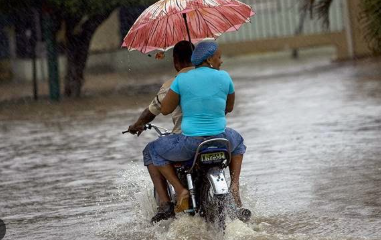
“Homes were submerged, businesses wiped out, and families displaced, all within days”. For residents here, “that season was a turning point, one they’re still trying to recover from”.
“It Was Like Watching Everything I Built Float Away” Mrs. Adetutu Adebayo, a provisions store owner in Opic, “remembers clearly how her business nearly drowned in floodwater last October”. “Her shop was filled with water overnight, destroying goods worth hundreds of thousands of naira”.
The flood didn’t just affect her source of income, it affected how she saw her future. “I stood in the water up to my knee, trying to save what I could. But the more I scooped, the more it rose. That night, I cried,” she said. “We weren’t warned. One moment it was raining, the next, the whole area became a river”. Like many other small business owners, “she had no insurance”.
Her only means of survival was saving what was left, borrowing from friends, and selling basic goods from a makeshift table in front of her house.
Now, as 2025’s rainy season intensifies and reports suggest the dam may be opened again, Mrs. Adebayo has begun preparing early. “This time, I’ve moved some of my goods to higher ground. I’ve raised the shelves in my shop and kept waterproof bags ready. I don’t want to be caught off guard again”.
Families Making Emergency Plans: After last year’s flooding left many families homeless or confined indoors for weeks, residents are taking proactive steps this year. Some are relocating temporarily to stay with relatives in Ibafo or Magboro, areas less prone to flooding.
Others have elevated the foundations of their homes using sandbags and concrete blocks. Community WhatsApp groups have also been revived, where residents now share updates on rainfall levels, dam activity, and emergency contacts.
A few have begun stocking up on dry food, candles, rechargeable fans, and medication in anticipation of being stranded again.
“We learned the hard way last year,” said Mr. Olajide, a landlord in Arepo. “This time, we won’t wait for a warning that may never come. We’re building temporary barriers and talking to neighbors about an evacuation plan”.
No Clear Government Assurance : Despite repeated appeals from affected residents, “there’s been little sign of structural change or improved drainage in the OPIC-Warewa–Arepo axis”. While state officials visited briefly last year, “many promises of dredging and improved flood management remain unfulfilled”. Residents say they feel abandoned.
ALSO READ : Kano State Police intensify efforts to ensure security during Sallah celebrations
Most have taken it upon themselves to create informal safety nets by building elevated walkways and checking on vulnerable neighbors.
“We can’t wait for the government anymore,” said Mr. Yakubu, an estate chairman in the Orange estate, Arepo. “We are protecting ourselves now, with or without them”.
The experience of last year’s Oyan dam release has left residents traumatized, but not without hope. Mrs. Adebayo puts it simply: “We don’t want pity. We just want to be prepared. If the water comes again, at least this time, we will not be surprised”.
As the skies grow darker and clouds gather again over Ogun State, “one thing is certain – the residents of OPIC-Warewa-Arepo axis are no longer waiting to be rescued. They are preparing to survive“.
“If you are reading this and live in a flood-prone area, now is the time to act. Check in with your community, have an emergency plan, and stay informed about dam release alerts”.














 Football3 days ago
 Crime1 week ago

 Crime1 week ago
 Business1 week ago
 Latest1 week ago
 News1 week ago
 Crime4 days ago