
Business
Experts advocate revaluation of policies to safeguard Naira

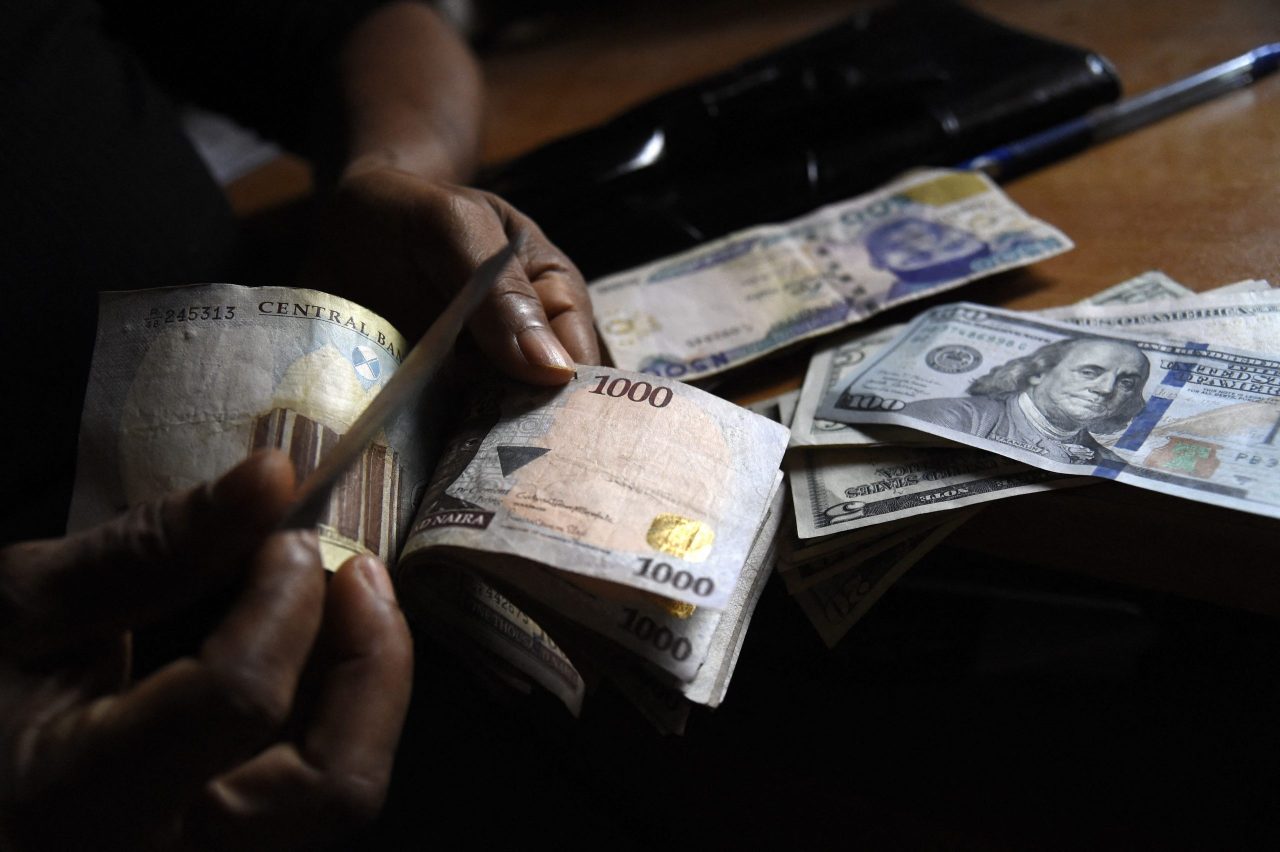
The recent decline in the Naira’s value across official and parallel markets has prompted suggestions from financial experts to mitigate currency volatility and prevent further depreciation.
They are advocating for a re-evaluation of policies to safeguard the Nigerian Naira amid escalating forex rates, despite efforts by the Central Bank of Nigeria (CBN) to stabilize its value.
The CBN had announced a series of measures aimed at enhancing transparency and stability in the foreign exchange market while addressing malpractices.
However, while the analysts acknowledge the positive aspects of the CBN’s recent policies aimed at managing pressures in the foreign exchange market, they highlight that these measures fail to directly address the fundamental issue of limited supply.
The analyst advocates for shifting towards a managed float system to allow flexibility in implementing initiatives to bolster foreign exchange reserves, such as boosting oil production, enhancing agricultural exports, and incentivizing foreign remittances.
The foreign exchange turnover saw a significant rise of 76.61% to $117.32 million, coinciding with the Nigerian naira’s strengthening against the dollar in the official market on Tuesday, February 20th, 2024.
However, despite this improvement, the intra-day high remained elevated, reaching N1,701 against the dollar by the close of trading. The exchange rate settled at N1,551.24 to a dollar at the end of the business day.
READ ALSO: CBN stops foreign oil companies from remitting 100% of forex proceeds abroad
In contrast, the exchange rate experienced a decline in the black market, slipping to N1,700/$1, representing a 2.65% decrease compared to the previous day’s rate.
Financial analysts at FSL Securities Limited expressed concerns regarding the recent liberalization of the foreign exchange market by the Central Bank of Nigeria (CBN).
Mr. Victor Chiazor, Head of Research and Investment, FSL Securities Limited, believes that the CBN was hasty in their decision to liberalise the foreign exchange market.
Chiazor noted that the CBN’s approach lacked comprehensive consideration of the market’s dynamics, particularly in light of the persistent low supply.
He highlighted that while recent policies implemented by the CBN aimed to alleviate pressures in the FX market, they failed to effectively address underlying supply constraints.
Chiazor suggested that authorities might need to reassess their stance on foreign exchange management, potentially reverting to a more tightly managed floating exchange rate system.
Professor Uche Uwaleke, Nigerian First Professor of Capital Market and the Director of the Institute of Capital Market Studies at the Nasarawa State University Keffi who voiced concerns regarding the current state of the exchange rate.
He highlighted that the increasing FAAC (Federal Account Allocation Committee) receipts are partially accountable for this situation.
To address this issue, he recommends that the President convene an emergency meeting of the Council of States to collaborate with governors on strategizing how to manage excess FAAC receipts resulting from the devaluation of the naira.
READ ALSO: How Tinubu can smoke out FX speculators—Daniel Bwala
Uwaleke emphasized the importance of legislative action in this regard, advocating for the Executive to propose a Bill for a “By-Nigerian Law” and commit to enforcing its provisions.
He highlighted a potential solution to mitigate the distortionary effects of FAAC receipts on the economy, suggesting the adoption of a separate fixed exchange rate, perhaps at N800/dollar as proposed in the 2024 budget, specifically for the monetization of crude oil sales.
Also, in an interview, Mr. David Adonri, Executive Vice Chairman of Hicap Securities Limited, attributed the current volatility and depreciation of the currency to a significant supply-demand imbalance.
Adonri emphasized that bridging the supply gap hinges on increasing crude oil exports to meet OPEC quotas and cater to domestic refinery demands.
He cautioned against the overuse of monetary policy tools, noting their diminishing effectiveness in curbing demand pressures for foreign currency.
Instead, he advocated for the establishment of a transparent, credible, and market-driven foreign exchange market by the monetary authority.











-
 Latest1 week ago
Israel marks 3 years since October 7 Hamas attack amid Gaza strikes, election debate
-

 Energy1 week ago
Fuel Battle: Dangote, marketers and government clash over petrol imports
-

 Latest2 days ago
Full List: Meet the 2026 Nobel Prize winners across six categories
-
 Featured6 days ago
103 Million Voters: What does INEC’s new register say about Nigeria’s population?
-

 Business1 week ago
Nigerian startup 3650HQ moves to cut rising WhatsApp costs for businesses
-

 Football2 days ago
Premier League Matchweek 7: Five Fixtures That Could Shape the Weekend
-

 Business7 days ago
The Ministry of Commerce of Loveworld gets a $1 million boost for new investment fund at LTIF 2026 to promote Trade in Ghana
-

 Features7 days ago
Edo’s 2.5 million vote promise: Can the numbers match the politics?