
Business
Naira among world’s worst currencies as experts blame mismanagement, oil dependency

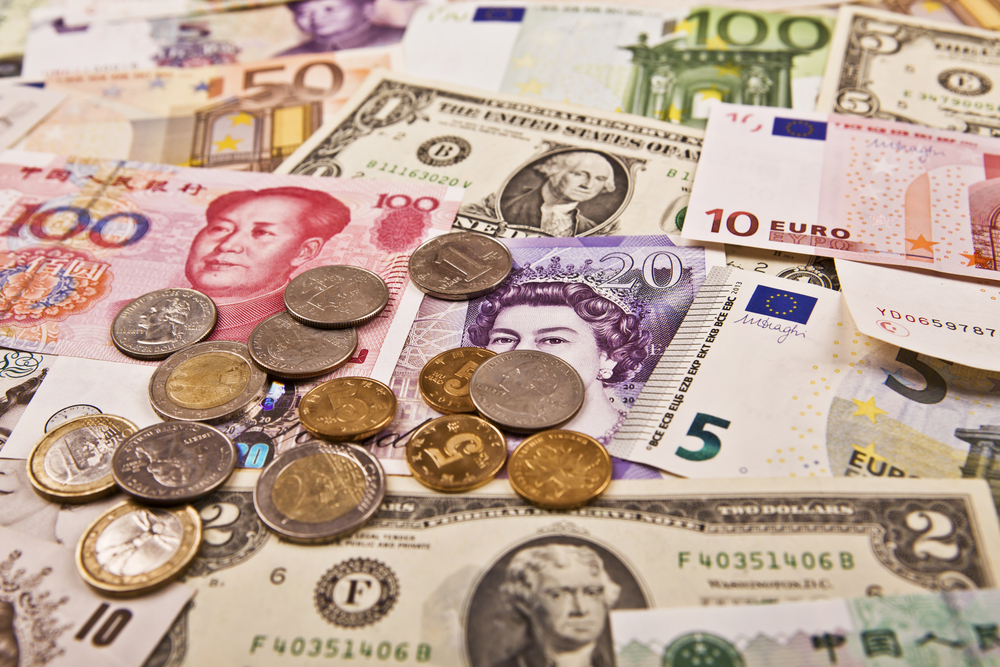
Nigeria’s naira has been ranked among the 10 worst-performing currencies globally, according to a report by Bloomberg.
The report highlights the vulnerability of African currencies, with five of the worst performers hailing from the continent, including the Zambian kwacha and Angolan kwanza, alongside the naira.
Economic instability, fluctuating commodity prices, inflation, and dollar liquidity shortages have contributed to the currency struggles in Africa.
The naira’s depreciation is linked not only to Nigeria’s dependence on oil exports but also to deeper structural issues. Keonethebe Bosigo, a portfolio manager at Mazi Asset Management, explained that while oil price fluctuations are a significant factor, poor currency management and economic imbalances are the main causes.
“The real issue with the naira is that it wasn’t allowed to adjust in time, which led to overvaluation and loss of confidence,” Bosigo said.
Irmgard Erasmus, an economist at Oxford Economics, echoed these concerns, adding that despite recent reforms aimed at liberalizing Nigeria’s current account, the naira continues to face intense pressure.
READ ALSO: Naira drops to N1,544/$1 at official rate, stays stable in parallel market
“The naira remains undervalued due to liquidity constraints and ongoing dollar shortages,” Erasmus said. He pointed out that despite the reforms introduced by President Bola Tinubu’s administration in 2023, such as unifying multiple exchange rates, the supply of hard currency remains a challenge.
Erasmus added that the declining price of Brent crude oil has exacerbated the situation but suggested that improved dollar liquidity could help stabilize the naira.
However, he warned that the slow pace of government reforms and inconsistent monetary policies keep the currency undervalued. According to Erasmus, the naira should be trading around N1,100 per dollar, but with current distortions, it closed at N1,541 per dollar on Friday, according to FMDQ Securities.
The Central Bank of Nigeria (CBN)’s move in June 2023 to unify the country’s multiple FX rate systems and consolidate them into the investors’ and exporters’ window caused a depreciation of the naira and increased volatility in the foreign exchange market.
With the current pressures, experts warn that without significant policy changes, the outlook for the naira remains fragile.


-
 Latest6 days ago
Israel marks 3 years since October 7 Hamas attack amid Gaza strikes, election debate
-

 Energy6 days ago
Fuel Battle: Dangote, marketers and government clash over petrol imports
-

 Energy7 days ago
Petrol, diesel prices rise 86% in 2026 as costs hit fresh highs
-

 Energy1 week ago
Has Iran lost control of the Strait of Hormuz? Oil flows rebound as war disruptions persist
-

 Football7 days ago
Nigeria’s World Cup exit under spotlight as FIFA’s DR Congo files emerge
-

 Latest7 days ago
US Court set to rule on release of FBI, DEA records on Tinubu
-

 Business7 days ago
Nigerian investors at a crossroads as fixed-income yields slide
-

 Latest14 hours ago
Full List: Meet the 2026 Nobel Prize winners across six categories