
Business
NATCOMS challenges 50% telecom tariff hike in Court, calls for more equitable alternatives

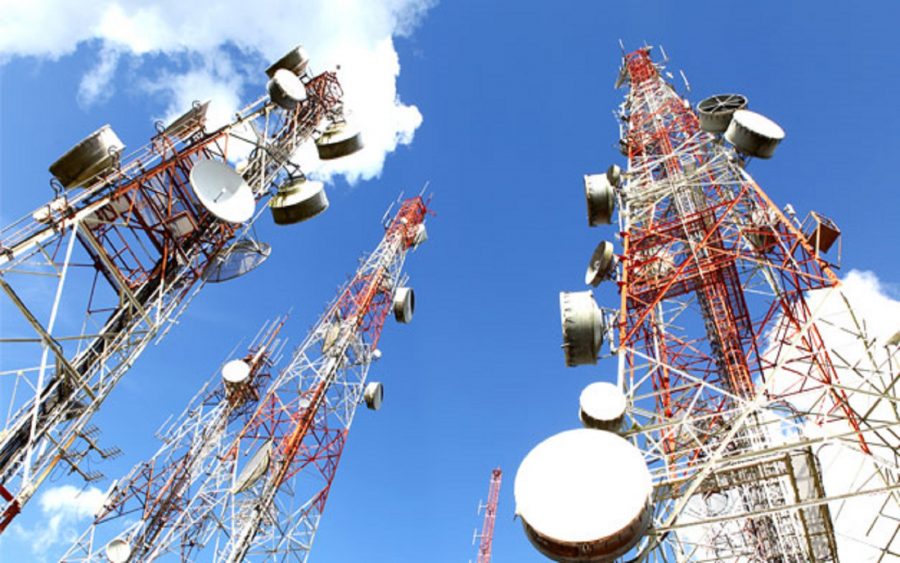
The National Association of Telecommunications Subscribers (NATCOMS) has vowed to challenge the Federal Government’s recent approval of a 50% tariff increase for telecom services in court, citing inadequate stakeholder consultation and potential financial strain on subscribers.
NATCOMS President, Mr. Deolu Ogunbanjo, expressed strong opposition to the decision, which was approved by the Nigerian Communications Commission (NCC), during an interview with the News Agency of Nigeria (NAN).
Ogunbanjo criticized the tariff adjustment, stating that it would negatively impact various sectors of the economy, from large industries to small businesses like Point of Sale (POS) operators.
“This will affect everyone, from the biggest industries to the smallest businesses. It will drive up operational costs,” Ogunbanjo said.
Acknowledging the financial pressures faced by the telecommunications sector, he proposed a smaller, more gradual adjustment.
“We painfully agreed that a moderate or marginal 5% to 10% increase would be acceptable. But a 50% hike is far too steep and unfair to subscribers,” he stated.
Ogunbanjo suggested that telecom operators explore alternative ways to raise capital, such as issuing Initial Public Offerings (IPOs), rather than imposing significant tariff hikes on subscribers.
“The industry operators can opt for IPOs, allowing Nigerians to buy shares in their companies. This approach would raise funds without burdening subscribers. A 50% increase is simply unacceptable,” Ogunbanjo argued.
READ ALSO: USSD disconnection looms as Banks scramble to settle N160bn debt ahead of January deadline
He confirmed that NATCOMS would take legal action to contest the decision, describing it as a blow to subscribers already struggling with Nigeria’s challenging economic climate.
The NCC, in a statement signed by its Director of Public Affairs, Dr. Reuben Muoka, defended the tariff hike as a necessary measure to address rising operational costs faced by telecom operators.
“The NCC has prioritized striking a balance between protecting telecom consumers and ensuring the sustainability of the industry, which supports thousands of indigenous vendors and suppliers,” the statement read.
While some operators had requested a 100% increase, the NCC approved a 50% hike after what it described as extensive consultations with stakeholders.
“The commission recognizes the financial pressures on Nigerian households and businesses and remains empathetic to the impact of tariff adjustments. Operators have been mandated to implement these changes transparently and fairly,” the NCC stated.
The regulator argued that the adjustment would help operators invest in infrastructure and innovation, improving service quality and connectivity for consumers.
READ ALSO: NCC, CBN in talks to resolve N250bn USSD debt crisis between Banks, telcos
Dr. Amina Lawal, an economist, emphasized the potential ripple effects on the economy: “This increase will directly affect operational costs for businesses that rely heavily on telecommunications. Indirectly, it could lead to higher prices for goods and services.”
However, telecom expert Adewale Fakoya highlighted the necessity of the adjustment:
“The telecom industry has been operating under immense cost pressures, with stagnant tariffs for over a decade. A tariff review was inevitable to maintain service quality and encourage infrastructure investments.”
Subscribers are concerned about the immediate impact of the hike on their expenses. Small business owners, in particular, fear that the increased cost of telecom services could erode already slim profit margins.
A POS operator, Kemi Adeyemi, voiced her concerns: “Telecom services are critical for our business operations. A 50% increase will not only reduce our profit but might also force us to raise prices for our customers.”


-

 Football1 week ago
Saka: England still carry World Cup scar
-

 Latest4 days ago
Pastor Chris Oyakhilome announces mother’s passing at 88 [VIDEO]
-

 Latest6 days ago
Arsenal eye €70-80m move for Real Madrid star
-

 Crime6 days ago
Police arrest suspect, launch manhunt for 2 others over Delta Education Director’s death
-

 Crime5 days ago
Deaths in NSCDC Custody: Can Nigeria guarantee the safety of detainees?
-

 Latest5 days ago
How adulterated palm oil, coloured pepper are putting consumers at risk
-

 Latest6 days ago
Obi left $155m in Anambra, Otti insists amid debt controversy
-

 Crime6 days ago
184.5kg Cocaine Bust: NDLEA docks KC Luxury, two accomplices, remands them in custody