Global oil prices fell sharply on Friday after the United States and Iran confirmed that the Strait of Hormuz has been reopened to commercial shipping, easing fears of a prolonged disruption to global energy supply.
U.S. President Donald Trump and Iran’s Foreign Minister Abbas Araghchi both announced that the vital shipping route is now fully accessible, following progress in de-escalation efforts tied to the ongoing ceasefire in Lebanon.
The Strait of Hormuz, a critical maritime corridor that handles roughly a fifth of the world’s oil and liquefied natural gas shipments, had been largely inaccessible since tensions escalated into conflict earlier this year.
The reopening comes alongside a fragile 10-day ceasefire between Israel Defense Forces and Hezbollah, offering a temporary pause after weeks of intense fighting in southern Lebanon.
According to statements from both governments, Iran agreed to allow safe passage for commercial vessels during the ceasefire period, provided ships adhere to designated maritime routes coordinated by its authorities. In return, Israel has paused offensive operations in the region.
President Trump acknowledged the development in a brief statement, welcoming Iran’s decision, while Araghchi emphasized that access to the Strait would remain conditional on the ceasefire holding.
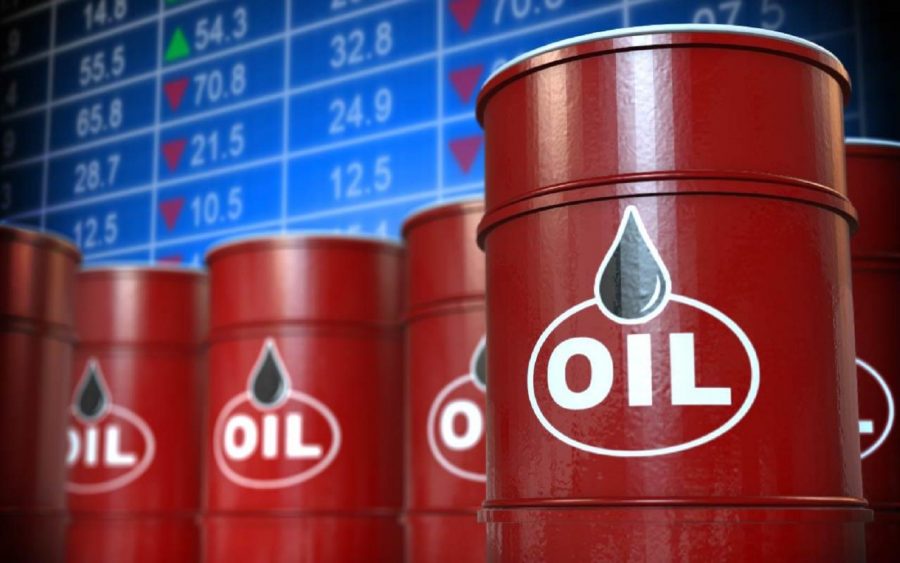
Energy and financial markets reacted swiftly, with Brent crude prices plunging over 10% below $85 per barrel while major stock markets across the U.S., Europe, and Asia rallied on improved investor confidence.
The sharp reversal follows weeks of rising oil prices and warnings from the International Energy Agency about a potential global energy shock.
The current truce, reportedly facilitated by U.S. and Pakistani mediation, remains delicate. While Israel has agreed to suspend offensive actions, it maintains the right to respond to threats. Hezbollah has paused its operations, though it has not formally committed to the agreement.
Meanwhile, the U.S. naval blockade targeting Iranian ports remains in place, with Washington signaling it will only be lifted as part of a broader agreement addressing Iran’s nuclear and missile programs.
Diplomatic efforts are now intensifying, with talks expected to take place in Islamabad in the coming days. However, sporadic clashes in southern Lebanon highlight the fragile nature of the ceasefire.
For now, the reopening of the Strait restores a critical artery for global energy supply, but the durability of this progress will depend on whether ongoing negotiations can deliver a more lasting resolution.


 Comments and Issues1 week ago
 Comments and Issues1 week ago
 Comments and Issues1 week ago
 Comments and Issues1 week ago
 Latest6 days ago
 Latest6 days ago
 Business1 week ago