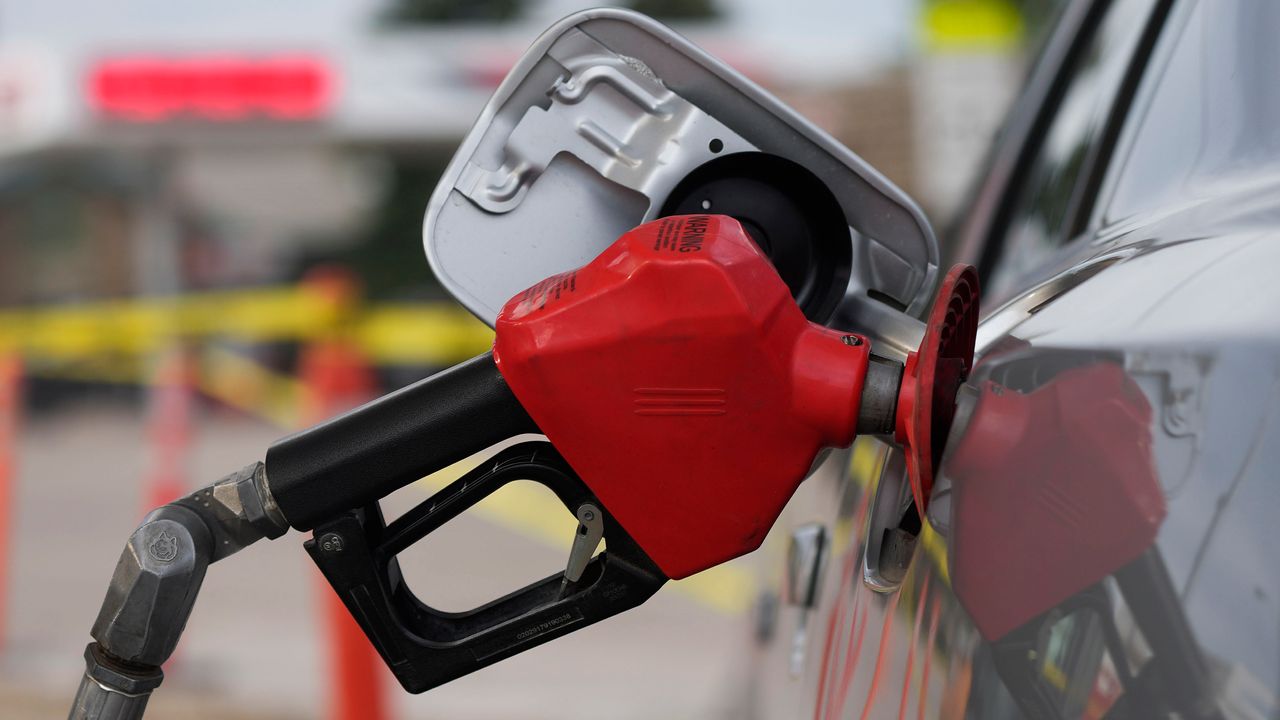
Nigeria is facing a renewed wave of economic strain following a fresh increase in petrol prices, driven by volatile global oil markets and persistent foreign exchange instability.
Petroleum marketers across major cities, including Lagos, Abuja, and Port Harcourt, have adjusted pump prices to between ₦1,200 and ₦1,275 per litre. The hike comes on the back of rising international crude oil prices, with Brent Crude nearing $94 per barrel amid heightened geopolitical tensions in the Middle East.
The immediate impact of the fuel price increase has been felt across the transportation sector, as operators move quickly to offset higher operating costs.
In urban centres such as Lagos and Abuja, commuters now face fare increases of between 15 and 25 percent for short-distance trips. Interstate travel has also become more expensive, particularly along busy routes like Lagos–Abuja, where transport companies have revised ticket prices upward.
Meanwhile, the Lagos State Government has approved a 13 percent increase in fares for Bus Rapid Transit (BRT) and other regulated bus services, attributing the adjustment to sustained inflation and rising maintenance expenses.
The surge in fuel costs is also driving food inflation, as higher transportation and logistics expenses ripple through supply chains.
Market surveys in Lagos indicate that the price of a medium bag of pepper has soared by more than 140 percent since March. Other staple items, including beans and tomatoes, have recorded increases ranging from 50 to 70 percent.
Small-scale food processors, many of whom depend on petrol-powered generators, are also adjusting their prices to reflect higher energy costs, further burdening consumers.
Transport unions, including the Nigerian Association of Road Transport Owners (NARTO), have voiced concerns over the sustainability of current operations. Although no nationwide strike has been declared, operators warn that continued pressure on costs could lead to further fare hikes if no intervention is made.
Across the country, frustration is mounting among citizens, with many now spending a larger share of their income on transportation and basic daily needs.
The Federal Government has defended the current pricing structure, noting that petrol prices in Nigeria remain significantly lower than global averages. Authorities maintain that ongoing reforms, including the removal of fuel subsidies in 2023, are aimed at strengthening local refining capacity and ensuring long-term supply stability.
Regulators have also stepped up oversight. The Nigerian Midstream and Downstream Petroleum Regulatory Authority (NMDPRA) has intensified monitoring of filling stations, warning marketers against arbitrary price increases and taking steps to prevent hoarding and artificial scarcity.
With global oil markets still unsettled, analysts say Nigerians may continue to grapple with rising inflation and transport costs in the weeks ahead.


 Comments and Issues1 week ago
 Comments and Issues1 week ago
 Business1 week ago
 Comments and Issues1 week ago
 Comments and Issues1 week ago
 Latest6 days ago
 Latest6 days ago