Prominent public affairs analysts, scholars, and a former Nigerian ambassador have called for sweeping reforms to Nigeria’s governance structure, warning that the country’s democratic system is facing mounting pressure.
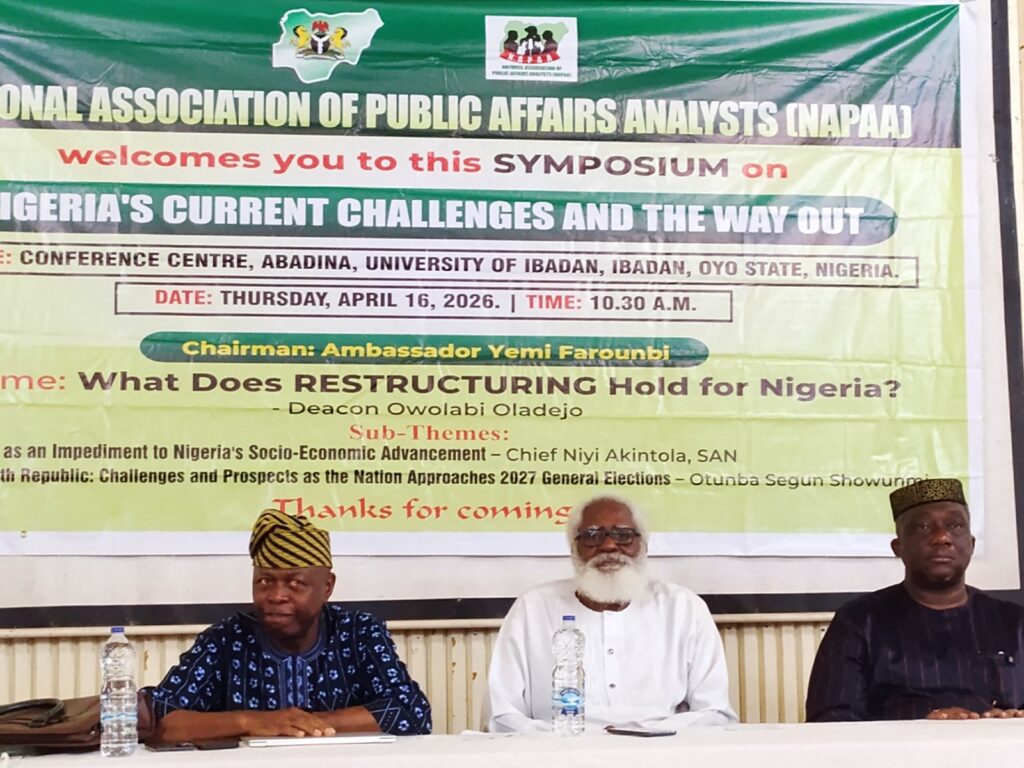
The concerns were raised on Thursday at a symposium hosted by the National Association of Public Affairs Analysts at the University of Ibadan. The event, themed “Nigeria’s Current Challenges and the Way Out,” brought together experts to examine the country’s political and economic trajectory ahead of the 2027 general elections.
Chairing the session, former ambassador Yemi Farounbi described Nigeria as a country rich in resources but hindered by structural inefficiencies and weak institutions. He noted that rising insecurity across parts of the country reflects deeper systemic issues.
According to him, sustainable progress will remain elusive without stronger institutions, improved accountability, and more effective governance frameworks.
Presenting a paper at the event, Segun Showunmi said the 2027 elections could mark a defining moment for Nigeria’s democracy. He highlighted several challenges, including limited internal democracy within political parties, concentration of political power, and declining public trust driven by economic hardship.
Other speakers echoed similar concerns, noting that inflation and rising living costs have contributed to widespread dissatisfaction among citizens.
Participants at the symposium called for comprehensive legal and institutional reforms to strengthen governance and rebuild public trust. They emphasised the need for greater decentralisation of power to states and local governments, particularly in managing security, alongside reforms to electoral processes to improve transparency and independence, and stronger accountability frameworks to ensure effective policy implementation. Speakers including Seun Adelore, Lateef Aremu, and Akintola also noted that lasting security solutions would require broader structural changes rather than relying solely on military action.
In his closing remarks, NAPAA Secretary Jaye Ajayi urged citizens to take greater responsibility in shaping the nation’s future, emphasising the need for informed public participation and accountability.
The symposium concluded with a consensus that without deliberate and sustained reforms, Nigeria risks further weakening of its democratic institutions, particularly as political activities intensify ahead of the next election cycle.


 Comments and Issues1 week ago
 Comments and Issues1 week ago
 Comments and Issues1 week ago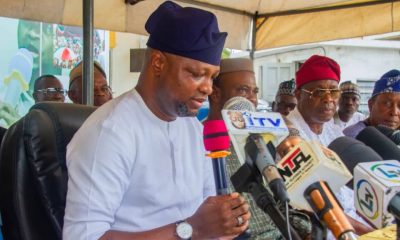
 Latest6 days ago
 Latest7 days ago
 Business1 week ago
 Business6 days ago
 Featured1 week ago