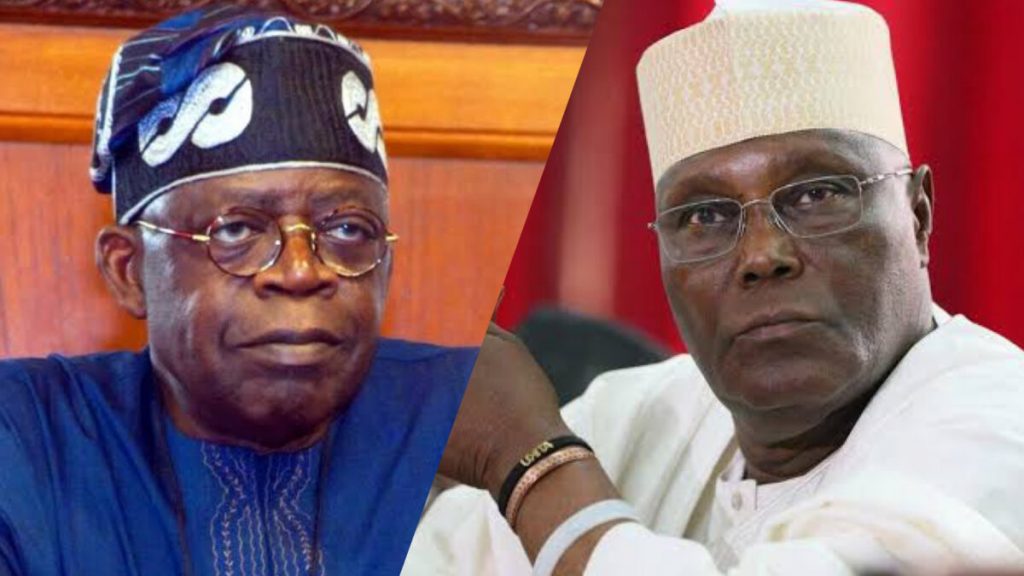
Former Vice President Atiku Abubakar has strongly criticised the economic policies of President Bola Ahmed Tinubu, describing the current reform programme as harsh on citizens and disconnected from the realities facing millions of Nigerians.
In a statement issued on Friday, Atiku argued that while economic reforms are necessary, their implementation has intensified hardship, with rising inflation and living costs placing increasing strain on households across the country.
Atiku pointed to the surge in fuel prices and electricity tariffs as key drivers of the economic pressure. He said recent adjustments have significantly increased the cost of basic living, making it difficult for low- and middle-income earners to cope.
He also criticised exchange rate policies introduced by the Central Bank of Nigeria, arguing that the unification of the naira has contributed to volatility and negatively impacted local industries dependent on imports.
On government intervention measures, Atiku described cash transfer programmes as insufficient, saying they do not address deeper structural challenges in the economy.
ALSO READ: Fuel price surge deepens economic pressure across Nigeria
A central part of Atiku’s criticism focused on the administration’s approach to privatisation. He accused the government of inconsistency, noting that some policies being pursued now contrast with positions previously taken by key figures in the ruling party.
According to him, current efforts to sell or concession public assets raise concerns about transparency and long-term national interest.
The Presidency, through spokesperson Bayo Onanuga, defended the reforms, describing them as necessary steps to stabilise the economy.
Officials argue that measures such as the removal of fuel subsidies are intended to free up government revenue for infrastructure and social spending, while exchange rate reforms are aimed at improving investor confidence.
The administration also maintains that economic conditions will improve over time, particularly with increased domestic refining capacity expected to reduce pressure on foreign exchange.
The exchange highlights growing political tension over economic management, as Nigerians continue to grapple with high inflation and reduced purchasing power. Analysts say the cost-of-living crisis is likely to remain a key issue in public discourse and could shape political debates in the lead-up to the next election cycle.
While the government insists its policies are laying the foundation for long-term stability, critics argue that more immediate relief is needed to cushion the impact on citizens.


 Comments and Issues1 week ago
 Comments and Issues1 week ago
 Comments and Issues1 week ago
 Latest6 days ago
 Latest7 days ago
 Business1 week ago
 Business6 days ago
 Featured1 week ago