
Business
Financial services, others worst hit as FX utilization falls by 80%

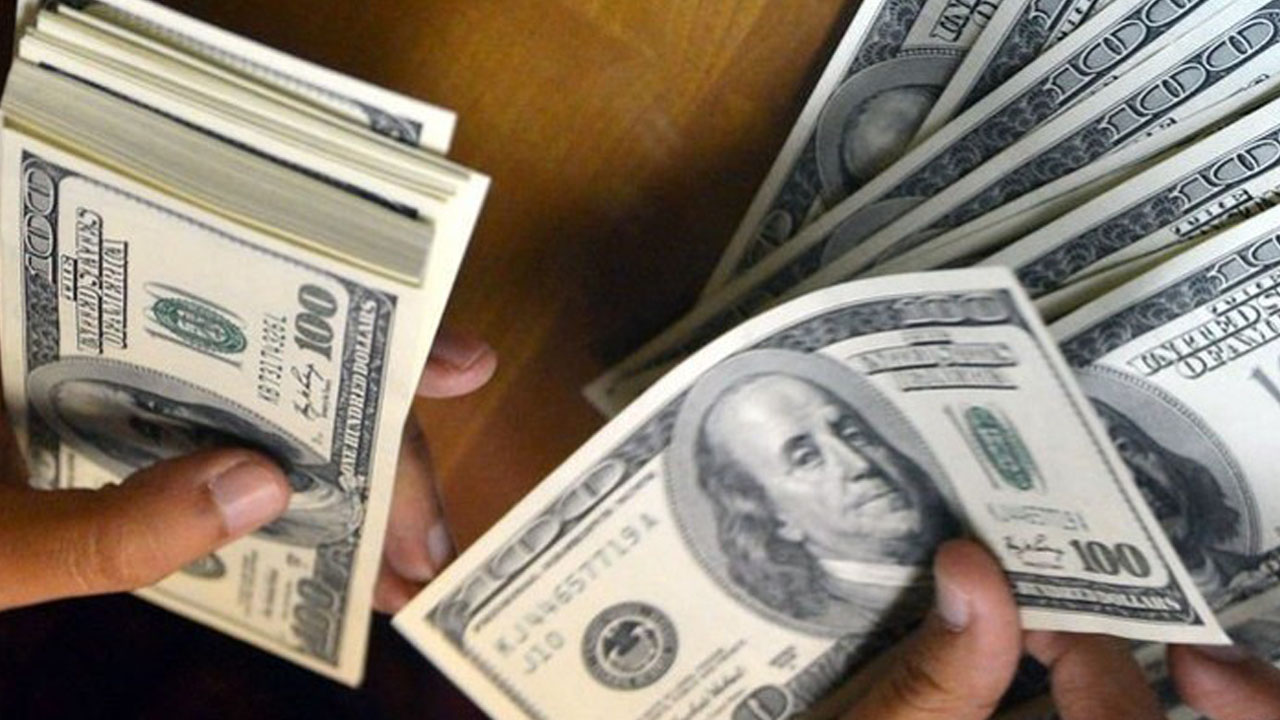
The invisible sector comprising financial services, business service, health and general services sector suffered the most in April as forex utilization in the country in the month of April fell by a whopping 80%.
According to data from the central bank, Nigeria’s forex utilization fell to just $1 billion in April, the month where Lagos State and the Federal Capital Territory, FCT, shut down economic activities and movement.
In April 2020, only $713 million dollars was used for visible imports from major sectors such as Industrials, Mineral, Manufacturing, Agricultural, Oil sector and transport. This compares to about $1 billion in March. The Industrial, Food and Manufacturing sector alone gobbled up $548 million compared to $791 million in March.
The invisible sector reported a forex utilization of $361 million in April compared to $4.3 billion in March and $3.6 billion in February. This is the worst drop since 2008, the earliest date we have for this dataset.
Whilst the drop was recorded across all sectors, the worst hit was the financial services sector. Forex utilization fell from $4.2 billion to just $331 million. The sector constitutes a bulk of forex utilized monthly.
Forex utilization is a function of how much forex is available for businesses to use for their transactions with counterparties across the world. The economic shutdown in April affected currency markets as forex sales fell across all forex windows.
The impact in April is severe and will probably remain worse throughout May, June and July. The CBN is one of the largest forex suppliers in the country but has staved off any pressure to sell citing limited economic activity in the country and around the world. Pent up demand for forex is thought to be between $1.5 -$5 billion.
Whilst there is a recorded drop in forex utilization as officially recorded, it is likely that some of the demand may have passed through the black market. It is also no surprise that forex utilization also fell between April 2016 and January 2017 as Nigeria faced a currency crisis before it devalued to N307/$1 and launched the NAFEX window.


-

 Featured7 days ago
Inside INEC’s race to prepare for Nigeria’s 2027 elections
-

 Featured7 days ago
2027: APC unveils nationwide campaign timetable, Tinubu to rally in 12 states
-
 Business4 days ago
Naira faces exchange rate gap as Dollar hits N1,380 on parallel market
-
 Business7 days ago
Court dismisses ₦170m Trade Fair contract claim, says Zenith Bank was not a party
-

 Latest7 days ago
Breaking: NNPCL raises petrol price to ₦1,405 per litre amid discount controversy
-

 Featured1 week ago
From kitchen to Supreme Court: Nigerian’s fight over alleged support for terrorists
-

 Football1 week ago
Maresca reveals Guardiola’s reaction to Man City’s 4-2 defeat to PSG
-

 Business6 days ago
NCC launches Internet Governance Working Group to tackle AI risks, boost online safety