
Business
Nigeria likely to experience high inflation growth in most of 2016 – Analysts

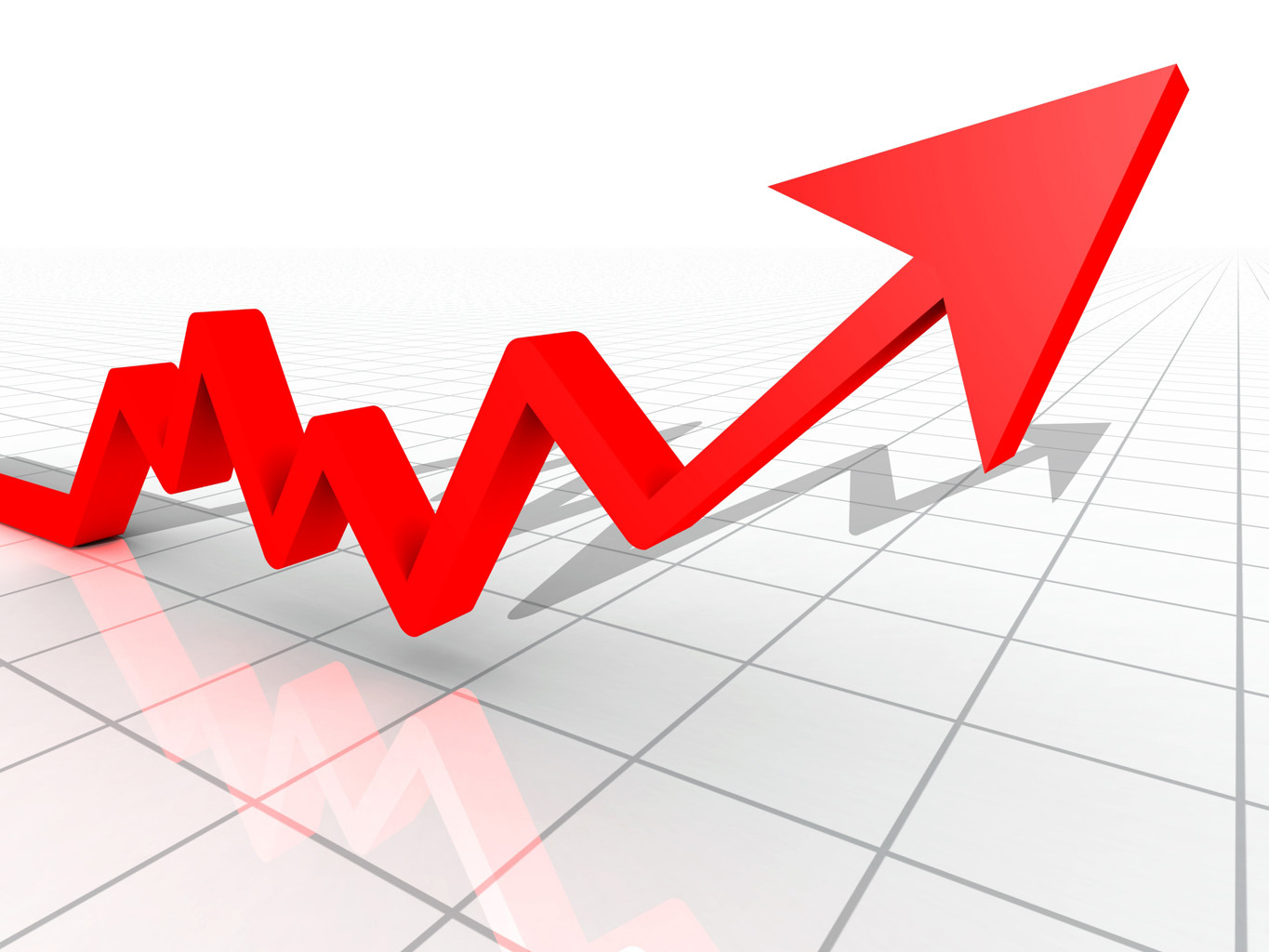
Following the sharp hike in inflation for the fourth consecutive month, financial analysts have said the trend is likely to continue for most of the year.
While reacting to the latest report by the National Bureau of Statistics that stated that Nigeria’s inflation rates jumped by 1.9 per cent last month, Financial Derivatives Company Limited (FDC) stated that the structural bottlenecks in the energy, power and logistics sectors still continue to impede productivity.
“These factors, combined with uncertainty in the country’s macroeconomic direction, are eroding investor and public confidence,” the company said in a report yesterday.
“Nigeria is likely to experience a high inflation environment for most of the year, albeit at a slower pace in coming months. The release of the forex policy guidelines will trigger an increase in consumer prices in June and July before correction takes place in Q4.”
According to the Managing Director/Chief Economist, Africa, Standard Chartered Bank, Razia Khan, the rising price pressures were likely instrumental in the authorities’ changed stance on the forex policy. “Nigeria’s fixed exchange rate regime had merely pushed activity to the parallel market, which is prone to overshooting, less susceptible to formal policy tightening, and likely played a significant role in exacerbating current price pressures.”
ALSO SEE: Inflation jumps to 15.6% in May – NBS
“Given where inflation already is, there will be a need for gradualism. However, in our view, any moves towards meaningful forex flexibility will need to be supported by tightening, in order to restore some degree of credibility to policy. This may well have implications for the timing of any announcement on currency flexibility,” Khan added.
Also, CSL Stockbrokers Limited pointed out that the two major overall drivers of inflation presently are currency weakness and electricity shortages. On the former, the firm pointed out that there is a great deal of uncertainty as the market awaits details on a new currency policy from the CBN.
“Although the publication of the policy might see an appreciation of the naira on the parallel market, the new policy is likely to entail a reduction/removal of forex at the current official rate of N199/$1.
“Overall, therefore, the average rate at which firms are able to gain access to forex is unlikely to be significantly altered and there is not likely to be disinflationary impetus from the currency, in our view.













-
 Features1 week ago
How ADC leadership crisis put Atiku’s 2027 ambition at risk
-

 Energy1 week ago
NNPC plans 5–10% stock market listing, targets 2027 for IPO preparations
-

 Business1 week ago
LoveWorld Expo 2026 to showcase global innovations, emerging technologies in Lagos
-
 Business4 days ago
DisCos urge Minister to end blame game, apologise to Nigerians over blackouts
-
 Latest1 week ago
2027: No Court rulings can keep me off the ballot, Atiku insists
-

 Latest1 week ago
2027: Wike declares Obi’s political wave dead, dismisses chances of presidential victory
-

 Health5 days ago
Study links Pfizer COVID-19 vaccine to higher death rates than Moderna shot
-
 Latest1 week ago
How internal party disputes could shape the 2027 elections