
Business
CBN’s 23% Interest Rate: What it means for borrowers, businesses and Nigeria’s economy

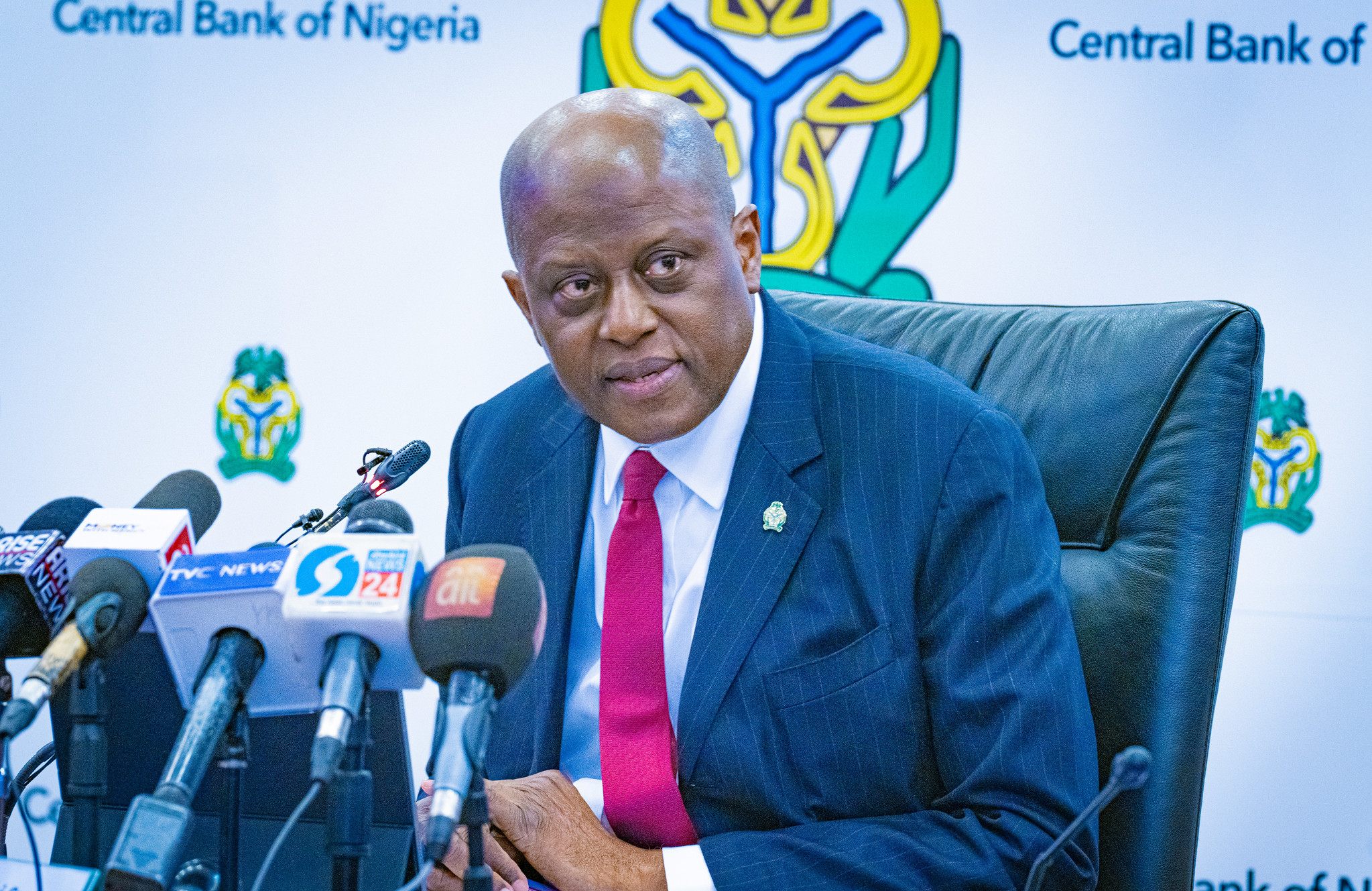
The Central Bank of Nigeria (CBN) has maintained its benchmark interest rate at 23 per cent following a major reduction in September 2026, as policymakers seek to balance efforts to control inflation with the need to support economic growth.
The 23 per cent Monetary Policy Rate (MPR) was announced by CBN Governor Olayemi Cardoso on September 22, 2026, at the conclusion of the Monetary Policy Committee’s 307th meeting in Abuja.
The decision represented a 350-basis-point reduction from the previous rate of 26.5 per cent, marking one of the most significant adjustments to Nigeria’s benchmark interest rate in recent years.
The reduction followed a period of tight monetary policy introduced to contain inflation, stabilise the naira and address persistent pressures in the foreign exchange market.
However, the CBN clarified that the adjustment was primarily a recalibration of its monetary policy framework to improve the transmission of policy decisions across the financial system, rather than a complete shift towards an accommodative monetary policy.
As the Monetary Policy Committee begins its 308th meeting on November 23 and 24, attention is focused on whether the bank will retain the 23 per cent rate or introduce another adjustment.
The September decision followed improvements in some key economic indicators, particularly the gradual moderation of inflation.
Nigeria’s headline inflation declined from 15.39 per cent in August to 14.63 per cent in September 2026, according to the National Bureau of Statistics.
The CBN considered the moderation in inflation, improving foreign exchange conditions and broader macroeconomic developments sufficient grounds to recalibrate its monetary policy framework.
The committee also adjusted the Standing Facilities Corridor to +50/-300 basis points around the MPR.
However, it retained the Cash Reserve Requirement (CRR) at 45 per cent for deposit money banks, 16 per cent for merchant banks and 75 per cent for non-Treasury Single Account public-sector deposits.
These requirements determine how much of their deposits banks must keep with the CBN rather than lend to customers.
The MPR is the benchmark rate that guides monetary policy and influences borrowing and lending costs across the banking system.
Although a reduction can create room for cheaper credit, it does not automatically mean commercial banks will immediately lower their lending rates.
Banks consider several factors when determining loan costs, including their funding expenses, credit risks, liquidity positions and operating costs.
For businesses, particularly manufacturers and small and medium-sized enterprises, lower borrowing costs could make it easier to access financing for expansion, equipment purchases and working capital.
However, with the benchmark rate still at 23 per cent, borrowing costs remain relatively high, potentially limiting access to credit for businesses that depend on bank financing.
For households, the impact could be felt through personal loans, mortgages and other credit facilities, although the extent of any reduction will depend on how commercial banks respond.
The CBN’s interest rate decisions also influence returns on savings and fixed-income investments.
When benchmark rates decline, banks may eventually reduce interest paid on certain deposits, while yields on Treasury bills and other government securities could also adjust.
Investors therefore monitor MPC decisions closely because changes in interest rates can influence the attractiveness of government securities, equities and other investment opportunities.
However, the impact is not always immediate, as financial markets also respond to government borrowing requirements, liquidity conditions and inflation expectations.
Despite the moderation in headline inflation, the cost of living remains a significant concern for Nigerian households.
Food prices, transportation expenses, electricity costs and other essential expenditures continue to put pressure on disposable incomes.
This presents a challenge for the CBN because reducing interest rates too aggressively could increase liquidity in the financial system and potentially reignite inflationary pressures.
On the other hand, maintaining very high interest rates for an extended period could discourage private-sector investment, restrict access to credit and slow economic activity.
The bank must therefore balance price stability with the need to create an environment that supports sustainable economic growth.
The Monetary Policy Committee’s 308th meeting is scheduled for November 23 and 24, 2026, at the CBN headquarters in Abuja.
The committee is expected to review inflation trends, foreign exchange developments, domestic liquidity, economic growth and global financial conditions before deciding whether to adjust the benchmark rate.
As of November 23, the meeting is underway, and no new interest rate decision has been announced.
The outcome will provide an indication of how the CBN intends to manage monetary policy in the coming months.
For businesses and households, the bigger concern is whether any further reduction will translate into more affordable loans, increased investment and improved economic activity.
Ultimately, the effectiveness of the CBN’s monetary policy will be measured not only by its ability to moderate inflation but also by whether the financial system becomes more accessible to businesses and Nigerians seeking affordable credit.


-

 Crime5 days ago
Kwara bandit deal under scrutiny as footage shows security operatives negotiating with terrorists [VIDEO]
-

 Business3 days ago
NGX loses N3trn in three days as Dangote Cement, Aradel, Banks lead sell-off
-

 Entertainment7 days ago
2027 Grammys: Asake, Wizkid, Tems, Ayra Starr lead Nigerian nominees in African music category
-

 Football5 days ago
Argentine teen footballer Abel Nunez dies after suffering head injury during match
-

 Latest3 days ago
2027: Dele Momodu predicts Peter Obi will defeat Soludo’s Tinubu mobilisation in Anambra
-

 Latest3 days ago
Tinubu’s 2027 re-election bid: New promises, old questions and an unfinished record
-

 Latest6 days ago
2027 Elections: 66% of Nigerians feel no connection to political parties, 89% fear vote-buying – Survey
-

 Football7 days ago
Portugal gives iconic No. 7 a new look to immortalise Cristiano Ronaldo’s legacy