
Business
NCC blocks 3.5 million fake device-SIM connections in nationwide crackdown

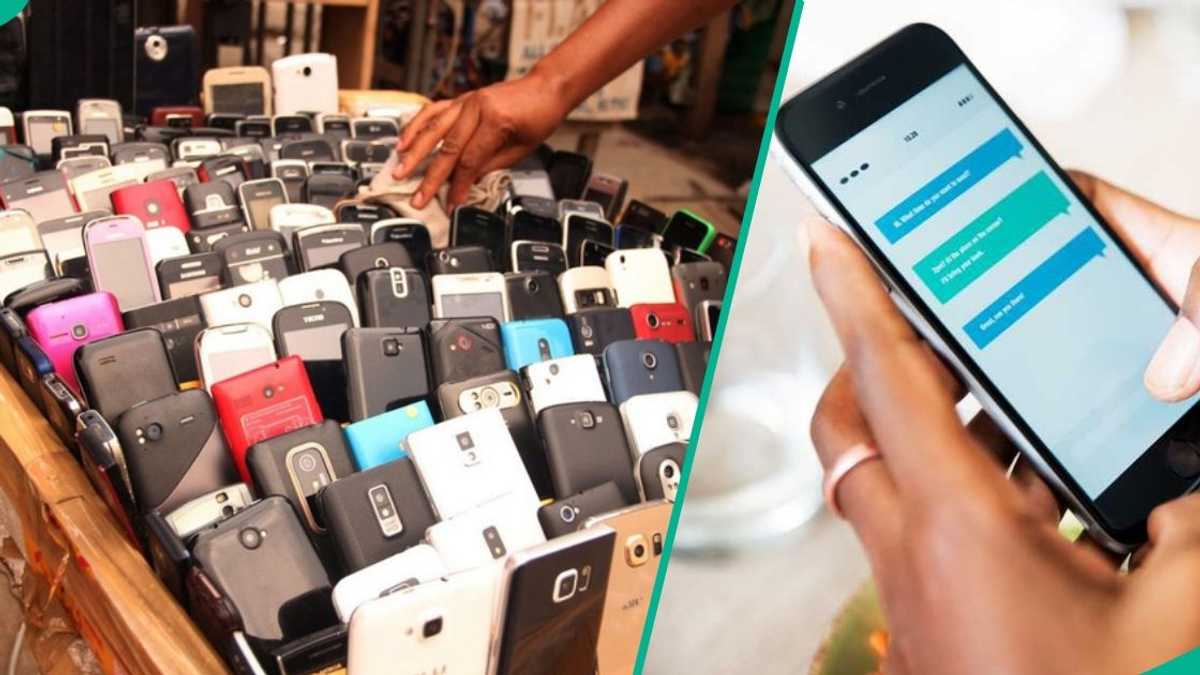
The Nigerian Communications Commission (NCC) has restricted approximately 3.56 million device-SIM connections linked to fake, invalid and cloned International Mobile Equipment Identity (IMEI) numbers in a 24-day nationwide enforcement exercise, highlighting the growing challenge of counterfeit mobile devices in Nigeria.
The enforcement, conducted between November 1 and 24, 2026, through the Commission’s Device Checker platform, affected connections across the country’s major telecommunications networks.
Figures released by the NCC at a media and technical briefing in Lagos on Friday, November 27, showed that 2.81 million restrictions involved fake or invalid IMEIs associated with older phones transferred to new SIM cards.
Another 742,749 restrictions involved standard fake or invalid IMEIs, while 12,052 were linked to cloned device identifiers.
The Commission clarified that the figures represent restricted device-SIM connections rather than individual handsets, as one device can accommodate multiple SIM connections.
MTN recorded the highest number of restrictions, with approximately 1.86 million, representing 52 per cent of the total. Airtel followed with 1.38 million, accounting for 39 per cent, while Globacom recorded about 309,000 and T2 approximately 13,000.
The NCC cautioned that the figures should not be interpreted as evidence of wrongdoing by the telecom operators, explaining that they reflect devices connected to their networks rather than responsibility for importing or selling counterfeit handsets.
A separate assessment involving MTN and Airtel identified approximately 418,500 active subscriber lines operating on fake handsets.
Kano recorded the highest number of affected lines with 42,297, followed by Kaduna with 31,043 and Bauchi with 28,067. Lagos accounted for 23,052, while Adamawa and Katsina recorded 21,519 and 17,197 respectively.
The Commission is also strengthening preventive measures to stop counterfeit devices from entering Nigeria’s telecommunications market.
READ ALSO; NCC plans spectrum incentives to push telecom operators into more network investment
Between October 26 and November 24, its Device Checker platform screened approximately 8.8 million IMEIs submitted through importer and dealer inventory uploads, identifying about 607,000 irregularities.
The detected issues included incorrect IMEI formats, duplicate identifiers, missing storage-capacity information and discrepancies involving SIM slots.
The platform also identified 10,721 fake IMEIs missing from the Global System for Mobile Communications Association (GSMA) database, preventing their registration.
As part of efforts to formalise the device distribution market, the NCC has onboarded 874 importer and dealer accounts across 31 states, with 537 uploading at least part of their inventories.
The platform has registered approximately 6.95 million devices containing 14.5 million IMEI numbers.
The regulator also disclosed that it had sent 5.46 million SMS notifications to subscribers during the enforcement period, alerting them to fake or invalid device identifiers and other compliance issues.
Consumers conducted 207,555 verification checks through the Commission’s *315# USSD service.
The NCC identified smartphones as the largest category of devices involved in cloned-IMEI cases, with 18,128 cases. Wi-Fi routers accounted for 6,532, feature phones 6,342, while handheld and Point-of-Sale (POS) terminals recorded 4,689 cases.
The Commission said it was planning further engagement with the Central Bank of Nigeria (CBN) to address registration and compliance concerns involving POS devices.
It also advised Nigerians to verify mobile devices before purchasing them, particularly from unfamiliar sellers and informal markets.
Consumers can retrieve their device’s 15-digit IMEI by dialling *#06# and check its status through the *315# USSD service.
The NCC explained that phones already active on Nigerian networks before the Device Checker system took effect on October 7, 2026, were captured through an earlier migration exercise and automatically verified.


-

 Featured5 days ago
Four reportedly killed in Delta NDC attack as Tinubu’s ‘All Is Fair in Politics’ remark faces fresh scrutiny (Video)
-

 Latest6 days ago
Abuja protesters March on INEC headquarters, demand accountability ahead of 2027 elections [video]
-

 Latest1 week ago
2027: Obi declares election day ‘Public Holiday’ for vote defence, warns against rigging
-

 Football5 days ago
Man United: Pochettino prioritises new striker over defensive signings in January
-
 Latest6 days ago
2027: Tinubu woos Lagos Igbo community, assures of inclusion in governance
-

 Business4 days ago
MTN Nigeria appoints five new directors in strategic board overhaul
-

 Featured6 days ago
NDC denies rift with Peter Obi over 2027 campaign funding
-

 Featured1 week ago
Lagos, Abuja lead Nigeria’s housing price race as rent, homeownership costs rise