
Business
Nigeria’s external debt service obligations soar to $1.08bn in Q4 2024

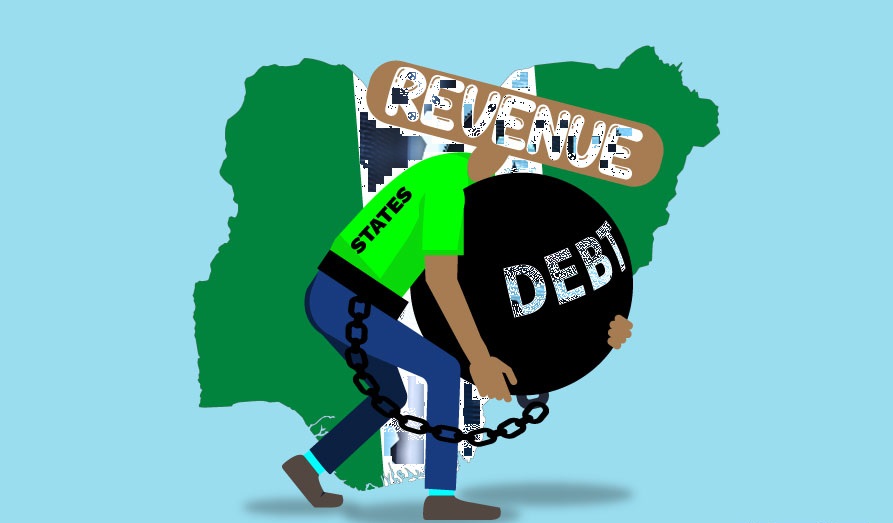
Nigeria’s external debt service obligations surged to $1.08 billion in the fourth quarter of 2024, marking a substantial increase from the previous quarter, according to the latest data from the Debt Management Office (DMO).
This rise follows a notable climb in the country’s total debt service costs, which reached N3.57 trillion in Q3 2024, up by N60 billion (1.71%) from N3.51 trillion in Q2 2024.
The DMO’s report details the breakdown of Nigeria’s external debt service payments, highlighting a significant portion going to multilateral creditors, followed by commercial and bilateral lenders.
These figures underscore the growing pressure on Nigeria’s fiscal health as it grapples with rising debt obligations.
Nigeria made the largest payments to multilateral lenders, totaling $600.71 million, which constitutes 55.7% of the total external debt service for the period.
The International Monetary Fund (IMF) received the highest payment of $407.97 million. Other notable payments included: International Development Association (IDA): $116.48 million; African Development Bank (AfDB): $43.89 million; International Bank for Reconstruction and Development (IBRD): $14.48 million; Islamic Development Bank (IsDB): $5.83 million
Commercial loans absorbed $430.53 million, or 39.9% of the total external debt service.
READ ALSO: Nigeria’s Foreign Reserves Dip by $2.57bn in Q1 2025 Amid Mounting Debt Servicing Costs
Eurobond debt alone accounted for $148.57 million, with Syndicated Loans making up the bulk of repayments at $280.16 million.
Smaller payments were made to UniCredit S.P.A ($1.54 million), Standard Chartered Bank ($144k), and Deutsche Bank AG ($108k).
Nigeria paid a total of $46.85 million to bilateral lenders, representing 4.3% of the total debt service.
The largest portion was paid to France’s Agence Française de Développement (AFD), which received $33.13 million.
Germany’s KfW followed with $11.84 million, while China Development Bank received $1.88 million.
No payments were made to Japan, China Exim Bank, or India Exim Bank during the quarter.
The surge in external debt service obligations comes at a time of heightened concerns over Nigeria’s debt sustainability, exchange rate volatility, and pressures on foreign reserves.
The substantial payments to multilateral and commercial lenders, particularly the IMF and Eurobond holders, underscore the increasing burden of non-concessional financing on the country’s external obligations.
As Nigeria continues to face fiscal challenges, these rising debt costs highlight the need for strategic financial management and reforms to ensure long-term debt sustainability.
The ongoing payment obligations to external creditors further stress the importance of addressing the country’s debt profile and its impact on economic stability.


-

 Featured5 days ago
Four reportedly killed in Delta NDC attack as Tinubu’s ‘All Is Fair in Politics’ remark faces fresh scrutiny (Video)
-

 Latest5 days ago
Abuja protesters March on INEC headquarters, demand accountability ahead of 2027 elections [video]
-

 Football4 days ago
Man United: Pochettino prioritises new striker over defensive signings in January
-
 Latest1 week ago
2027: Obi declares election day ‘Public Holiday’ for vote defence, warns against rigging
-
 Latest5 days ago
2027: Tinubu woos Lagos Igbo community, assures of inclusion in governance
-

 Featured5 days ago
NDC denies rift with Peter Obi over 2027 campaign funding
-

 Featured1 week ago
Lagos, Abuja lead Nigeria’s housing price race as rent, homeownership costs rise
-

 Featured4 days ago
Sowore withdraws AAC from National Peace Accord, questions committee’s role