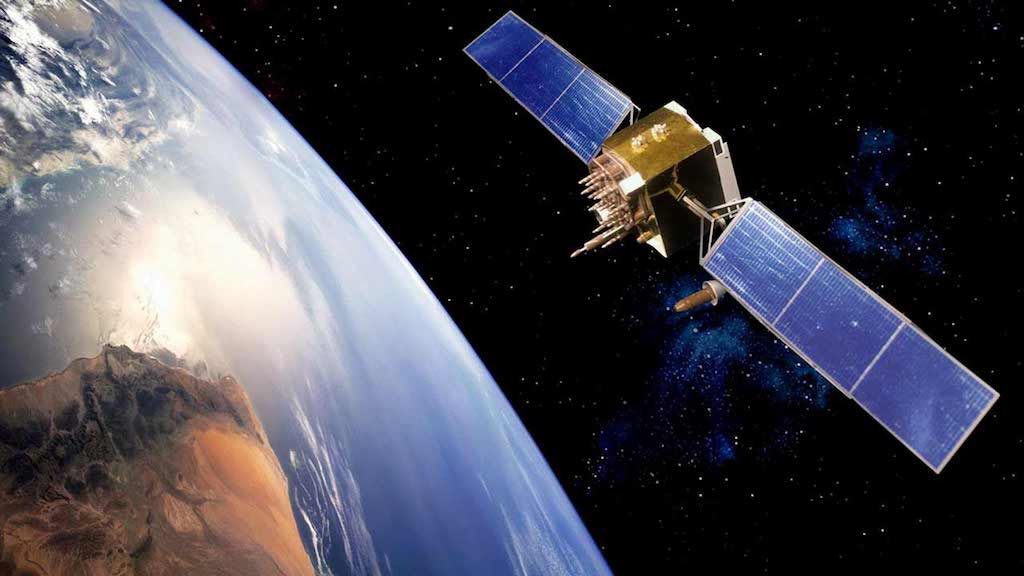
Nigeria may face a significant communications disruption as China Great Wall Industry Corporation (CGWIC) has issued a 30-day ultimatum to NigComSat Limited over an alleged $11.44 million debt linked to the management of the country’s communications satellite.
The Chinese firm warned that failure to settle the outstanding debt could result in the suspension of satellite services tied to NigComSat‑1R, potentially affecting broadcasting, telecommunications, internet connectivity, and several critical government operations across Nigeria.
According to reports, the debt accumulated over several years beginning in 2019 when CGWIC assumed technical management responsibilities for the NigComSat-1R satellite.
The financial obligation is said to cover operational and technical management costs incurred during the seven-year period the Chinese company oversaw key aspects of the satellite’s functioning.
In a formal notice reportedly copied to Bola Ahmed Tinubu, CGWIC stressed the urgency of the situation, warning that active satellite transponders could be deactivated if the debt remains unpaid after the deadline.
Such an action could disrupt a wide range of services that rely on the satellite infrastructure, including digital broadcasting, broadband connectivity, government communications and certain security-related operations.
READ ALSO: Tinubu approves purchase of 2 new satellites to strengthen Nigeria’s digital infrastructure
Officials at NigComSat Limited confirmed that the company has received the letter from the Chinese partner. However, the agency has not yet provided a detailed public response regarding the claims or possible steps being taken to resolve the dispute.
The lack of clarity has raised concerns among industry stakeholders who fear that any interruption to satellite services could have ripple effects across Nigeria’s communications ecosystem.
Industry experts say the development highlights deeper structural challenges within Nigeria’s space and satellite management framework.
According to telecommunications analyst Tunde Ajayi, the situation reflects long-standing issues related to funding and sustainability of strategic infrastructure.
“If a communications satellite like NigComSat-1R faces operational disruption due to debt, it exposes the vulnerability of critical national infrastructure,” Ajayi said. “The government must prioritise sustainable financing models for assets that support national security and digital connectivity.”
Space policy expert Halima Musa also warned that the situation could undermine Nigeria’s ambitions in the space and communications sector if not resolved swiftly.
“Satellite infrastructure is not just about technology; it requires long-term operational planning, strong financial discipline and strategic oversight,” she said. “A disruption would affect broadcasting networks, telecommunications operators and government services that rely on satellite bandwidth.”
The NigComSat-1R satellite plays a crucial role in Nigeria’s communications infrastructure by supporting broadcasting, internet services, and connectivity in remote areas where terrestrial networks are limited.
Observers note that any suspension of its services could significantly disrupt sectors ranging from media and telecommunications to security and emergency response systems.
As the 30-day deadline approaches, attention is now focused on how the Nigerian government and NigComSat Limited will address the dispute to prevent a potential communications crisis.



 Football1 week ago
 News6 days ago
 Football7 days ago
 Crime6 days ago
 Football1 week ago
 Business5 days ago
 Health5 days ago
 Health6 days ago