
News
What a 96-year-old protester says about Nigeria’s lingering land crisis

By Ihuoma Inyama
In many parts of Nigeria, protests are often associated with young people demanding better governance or economic opportunities. But when a 96-year-old man leads hundreds of residents onto the streets, it tells a different story—one about unresolved community conflicts, generations of frustration and the deep emotional attachment Nigerians have to ancestral land.
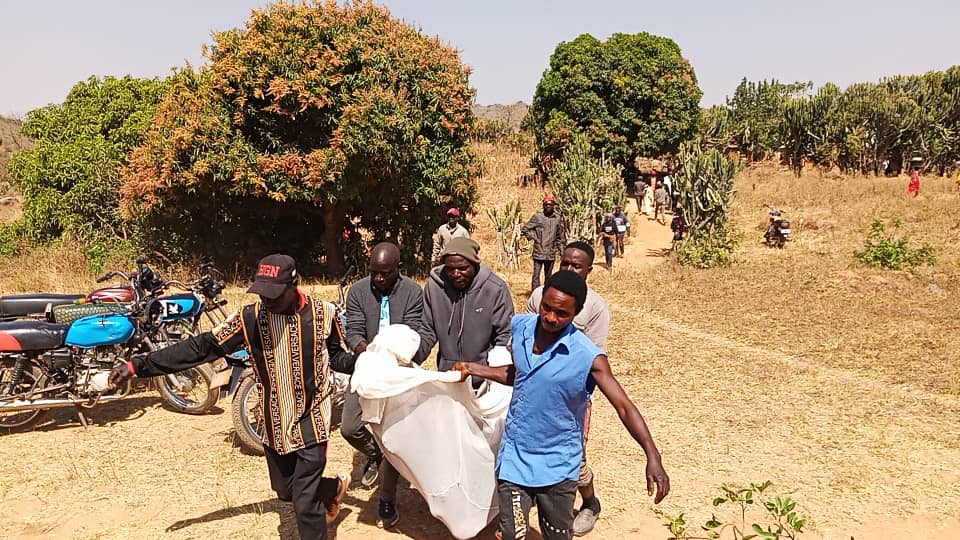
That was the scene in Umuawulu, Awka South Local Government Area of Anambra State, where Elder Stephen Okoye joined residents in protesting what they described as interference in a communal land dispute they believe had already been settled by the Supreme Court.
While the immediate disagreement centres on ownership and mediation, the protest also shines a light on a broader issue affecting many rural communities across Nigeria: land disputes that span decades and are passed from one generation to the next.
Unlike urban property disagreements, communal land conflicts often involve family histories, traditional boundaries and cultural identity. For many communities, land is more than an economic asset; it represents heritage, ancestry and the legacy they intend to leave for future generations.
When such disputes remain unresolved or are repeatedly challenged, tensions can linger for years, sometimes erupting into protests, litigation or violence.
The participation of a nonagenarian in the demonstration also sends a powerful message. Rather than remaining on the sidelines, Elder Okoye chose to stand alongside younger members of his community, suggesting that the dispute is viewed not as a temporary disagreement but as an issue that has affected multiple generations.
READ ALSO; Assassination Attempt: Man on the run over family land crisis in Edo Sta
Across Nigeria, communal land conflicts continue to slow development. Investors often hesitate to build in disputed areas, infrastructure projects face delays and relationships between neighbouring communities can deteriorate as legal battles drag on.
Legal experts have long argued that court judgments alone may not always bring lasting peace if communities remain divided. Sustainable solutions often require dialogue, transparency and the willingness of all parties to respect legal decisions while rebuilding trust.
For younger Nigerians watching events unfold, the protest is a reminder that unresolved local conflicts can outlive the people who started them. Issues left unsettled today may still shape the lives of future generations.
Whether the Umuawulu dispute moves towards reconciliation or continues through further legal and political processes, one image is likely to remain in the public memory: a 96-year-old man leading his community in defence of land they believe belongs to them.
In a country where land is closely tied to identity, history and survival, that image says as much about Nigeria’s rural realities as the dispute itself.


-

 Football4 days ago
Ballon d’Or 2026: The key rules shaping the race for football’s biggest prize
-

 Health3 days ago
ISRT 2026: Global experts converge in Lagos to advance cancer care across Africa
-

 Entertainment6 days ago
Miss World 2026: Four Continental winners battle for automatic top 20 spot (VIDEO)
-

 Business4 days ago
Versat Automobile to launch Chery’s EXEED premium brand in Nigeria
-

 Entertainment5 days ago
Miss World 2026: Meet 24 African Contestants Flying Continent’s Flag in Vietnam(VIDEO)
-

 Comments and Issues4 days ago
Digital Rights and the 2027 Poll in Nigeria
-

 Football4 days ago
Yaya Touré makes history as Slovan Bratislava reaches Champions League league phase
-

 Energy4 days ago
Petrol Price War: Where are Nigerians getting the cheapest fuel?