
Health
Uganda proceeds with experimental Ebola vaccine trial amid safety, ethical concern

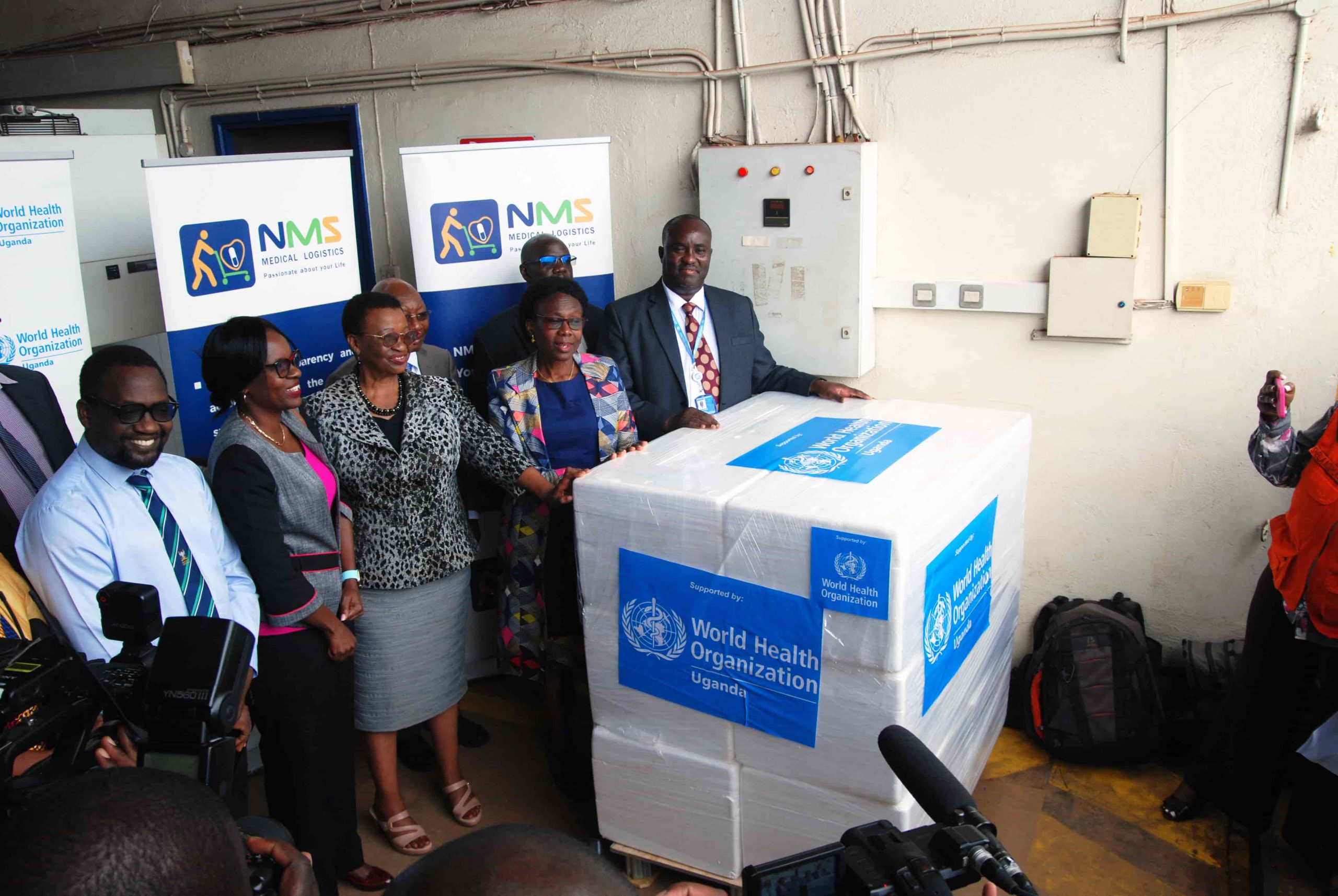
Uganda has proceeded with human clinical testing of an experimental mRNA Ebola vaccine developed by US pharmaceutical company Moderna, raising fresh questions about the timing, safety safeguards and ethical implications of introducing an investigational vaccine into human populations.
The trial, launched by the state-run Uganda Virus Research Institute (UVRI) on November 27, 2026, is Africa’s first clinical study of an mRNA vaccine targeting the Bundibugyo strain of Ebola, which is responsible for an ongoing outbreak in neighbouring Democratic Republic of the Congo (DRC).
The decision comes despite Uganda having declared its own Ebola outbreak over on July 28, after recording 20 infections and two deaths, according to the country’s Ministry of Health.
The development raises questions about why Uganda is proceeding with the human trial following the declaration that its domestic outbreak had ended, particularly when the experimental vaccine has not completed the clinical evaluation required for regulatory approval.
According to UVRI, the study, conducted in collaboration with Moderna, will enrol approximately 224 healthy volunteers aged between one and 65 years to assess the vaccine’s safety and ability to stimulate an immune response.
The study participants will be monitored for approximately one year following vaccination.
However, the decision to include children as young as one year old in the investigation makes the adequacy of safety monitoring, informed parental consent and independent ethical oversight particularly important.
READ ALSO; Vaccine injury victims battle insurance companies over treatment coverage
Safety concerns and unanswered questions
The vaccine, identified as mRNA-1469, remains investigational and has not received approval for general public use.
The Ugandan study is the second human trial of the candidate, following an earlier Phase I study involving healthy adults aged 18 to 65 in Canada in August 2026.
The World Health Organisation (WHO) has confirmed that no licensed vaccine currently exists specifically for Bundibugyo virus disease. It has also emphasised the need for clinical research to establish the safety and effectiveness of candidate vaccines.
In an October 23 position paper, the African Medicines Agency and European Medicines Agency called for accelerated development of Bundibugyo vaccine candidates while insisting that rigorous scientific evaluation and sufficient safeguards for clinical research participants, particularly vulnerable groups, must be maintained.
This raises important questions about whether the urgency to develop an Ebola vaccine is being balanced adequately against the responsibility to protect trial participants.
The European Centre for Disease Prevention and Control has similarly identified the available Bundibugyo vaccine candidates as being in pre-clinical development or early-stage clinical trials.
Who benefits from the vaccine race?
The financial interests surrounding the vaccine development programme have also attracted attention.
The Coalition for Epidemic Preparedness Innovations (CEPI) is supporting Moderna’s development programme with funding of up to $58.5 million.
Meanwhile, Gavi, the Vaccine Alliance, has signed a purchase commitment with the Serum Institute for 1.5 million doses of the separate Oxford-developed ChAdOx1 vaccine candidate, with plans to make hundreds of thousands of doses available if trials prove successful and the necessary approvals are obtained.
Although these arrangements are intended to accelerate access to potential vaccines, they raise legitimate questions about commercial interests, procurement commitments and the pressure to move experimental products rapidly through clinical development.
There is, however, no publicly established evidence that Moderna, CEPI or Gavi pressured Ugandan authorities to commence the trial.
Ultimately, the critical issue is whether the urgency surrounding the DRC outbreak is being matched by transparent scientific oversight, adequate participant protection and independent monitoring.
Ugandan authorities must demonstrate that the decision to proceed is driven by public health evidence and ethical research standards rather than commercial or institutional interests.


-

 Featured5 days ago
Four reportedly killed in Delta NDC attack as Tinubu’s ‘All Is Fair in Politics’ remark faces fresh scrutiny (Video)
-

 Latest6 days ago
Abuja protesters March on INEC headquarters, demand accountability ahead of 2027 elections [video]
-

 Latest1 week ago
2027: Obi declares election day ‘Public Holiday’ for vote defence, warns against rigging
-

 Football5 days ago
Man United: Pochettino prioritises new striker over defensive signings in January
-

 Latest6 days ago
2027: Tinubu woos Lagos Igbo community, assures of inclusion in governance
-

 Business4 days ago
MTN Nigeria appoints five new directors in strategic board overhaul
-

 Featured6 days ago
NDC denies rift with Peter Obi over 2027 campaign funding
-

 Featured1 week ago
Lagos, Abuja lead Nigeria’s housing price race as rent, homeownership costs rise