
ICT
Dynamic Spectrum Alliance Calls for Spectrum Access to Connect Africans


Utilizing alternative spectrum technologies is key to connecting millions of people in Africa to the internet, as the amount of bandwidth available will increase whilst costs are reduced, according to the Dynamic Spectrum Alliance (DSA).
Speaking on the second day of the Industry Forum for Converged Digital Media, the high-level industry event for stakeholders to discuss the latest developments in spectrum technologies, Mark Rotter, DSA treasurer emphasized the need for dynamic spectrum access and the benefits it could bring to communities around the world who are lacking internet access.
“The time is now for industry stakeholders to come together to address and fully understand how to manage and utilize spectrum access, as the demand for wireless connectivity continues to grow,” said Rotter.
“Progress is being made in Africa but there is still so much left to do and achieve. The DSA believes that the implementation of alternative technologies that allow service providers to reach the unconnected and underserved is critical in closing the digital divide that exists not just in Africa, but all over the world.”
He added: “There has been a common recognition from policy makers that dynamic spectrum is critical to connecting those without internet access, which is great, but it is crucial that the opportunities for dynamic spectrum access technologies and techniques are there. The DSA is constantly evolving to support more and more alternative technologies, such as TV White Space (TVWS) and Citizens Broadcast Radio Service (CBRS), to ensure that operators are being provided with the flexibility they require to reach the unconnected and underserved.”
TVWS technology uses unused or underused broadcast spectrum on a secondary basis in order to bring broadband connectivity to areas where other technologies are not cost effective. In December last year, the DSA held workshops in Ghana and Nigeria that addressed the policy and regulatory challenges that need to be overcome in Africa, and other rural areas around the world.
“Utilizing TVWS and CBRS technology, as well as expanding into multiple bands, will increase the amount of bandwidth available and reduce its cost. Wider broadband access will enrich people’s lives and make huge positive impacts both economically and socially and this is the key aim that the DSA is working towards,” concluded Rotter.
The DSA is at the forefront of advocating for laws and regulations that will lead to more efficient and effective spectrum utilization and will be hosting its annual Global Summit in Washington D.C, June 26-27.
As the premier event on spectrum policy and spectrum management, the DSA Global Summit brings together government and industry leaders, regulators and academia to discuss and debate spectrum sharing methods and models.


-
 Latest6 days ago
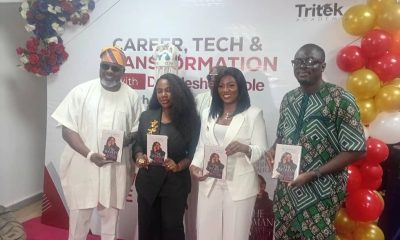
Cole-Alegbe unveils memoir, urges leaders to harness technology for lasting impact
-

 Business3 days ago
Nigeria records N12.59trn trade surplus in Q2 2026 — NBS
-

 Business4 days ago
Nigerian Breweries’ H1 profitability strengthens as revenue hits N804bn
-

 Business6 days ago
Jetour G700 PHEV Storms Abuja as Jetour Nigeria Takes Luxury Mobility Showcase to FCT
-

 Featured2 days ago
Peter Obi, Makinde and the 2027 elections: Can unity really challenge APC?
-

 Football2 days ago
Banda, Chawinga make 2026 Women’s Ballon d’Or top 30 shortlist
-

 Business1 week ago
Rising crude prices threaten fresh petrol price hike in Nigeria
-
 Business6 days ago
Multinationals exit Nigeria as economic pressures reshape business landscape