
Uncategorized
Barbados renounces British monarchy after 400 years

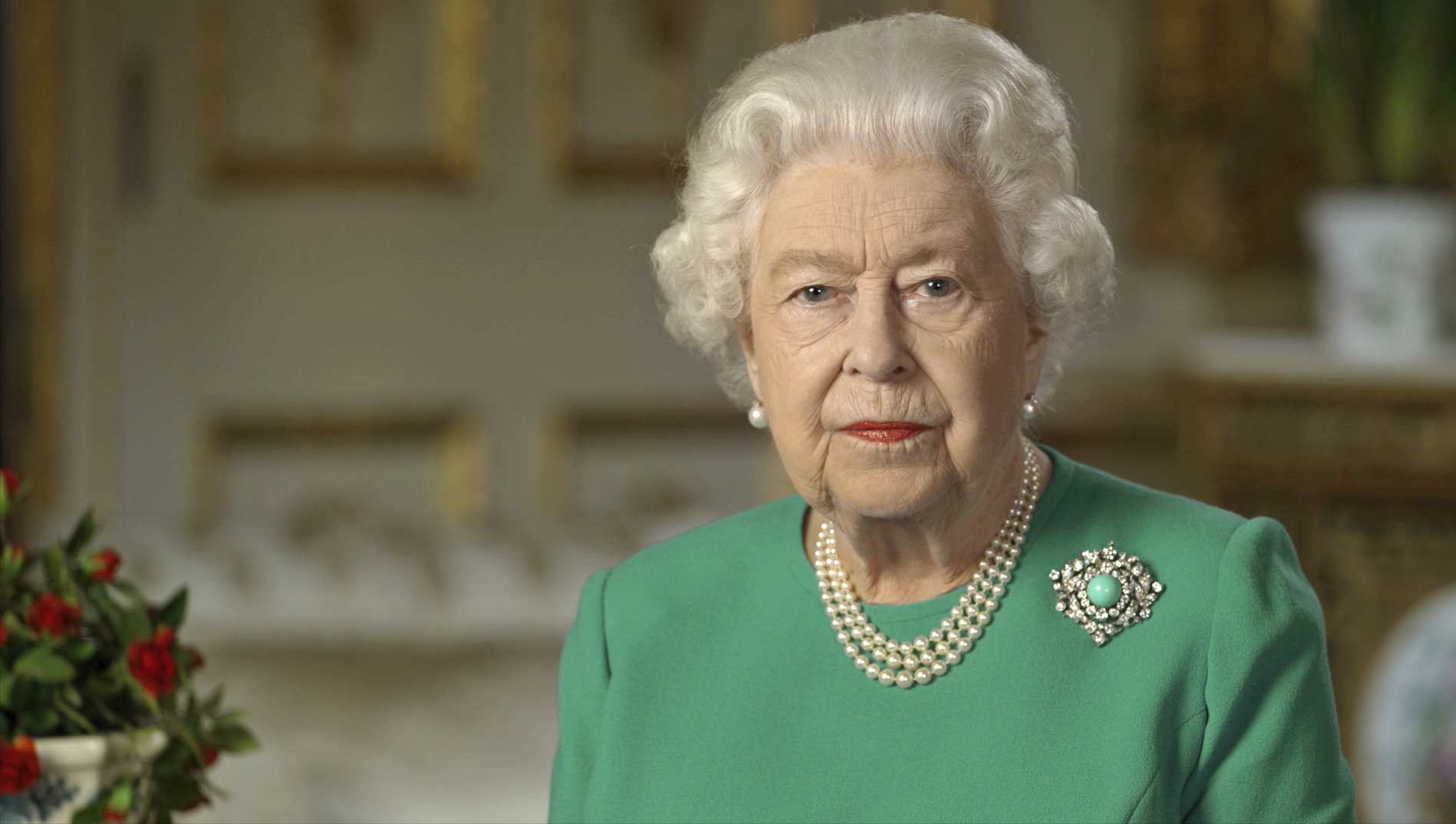
Barbados has become the world’s newest republic, replacing the British monarch with its head of state, and effectively severing its last remaining colonial bonds nearly 400 years after the first English ships arrived at the Caribbean island.
The new republic was born to the cheers of hundreds of people lining the capital, Bridgetown, at the stroke of midnight of Monday, with a 21-gun salute fired as the national anthem of Barbados was played over a crowded Heroes Square.
After a dazzling display of Barbadian dance and music, complete with speeches celebrating the end of colonialism, Sandra Mason, who was elected last month as the country’s first president, was sworn in at the Barbados’s parliament.
The withdrawal of Barbados from the monarchy brings the number of Commonwealth realm countries that continue to have the queen as their head of state to 15, including Australia, Canada, Jamaica, New Zealand and Papua New Guinea.
The last country to renounce the Crown was the Indian Ocean island of Mauritius in 1992.
Experts have said Barbados’ move may fuel republicanism in other Commonwealth realms, especially in Jamaica, where the two main political parties supported breaking away from the monarchy completely.


-
 Latest1 week ago
Israel marks 3 years since October 7 Hamas attack amid Gaza strikes, election debate
-

 Energy1 week ago
Fuel Battle: Dangote, marketers and government clash over petrol imports
-

 Latest2 days ago
Full List: Meet the 2026 Nobel Prize winners across six categories
-
 Featured6 days ago
103 Million Voters: What does INEC’s new register say about Nigeria’s population?
-

 Business1 week ago
Nigerian startup 3650HQ moves to cut rising WhatsApp costs for businesses
-

 Football2 days ago
Premier League Matchweek 7: Five Fixtures That Could Shape the Weekend
-

 Business7 days ago
The Ministry of Commerce of Loveworld gets a $1 million boost for new investment fund at LTIF 2026 to promote Trade in Ghana
-

 Features6 days ago
Edo’s 2.5 million vote promise: Can the numbers match the politics?