
Business
Nigerian Naira joins cedi, pound as worst performers in H1 2024

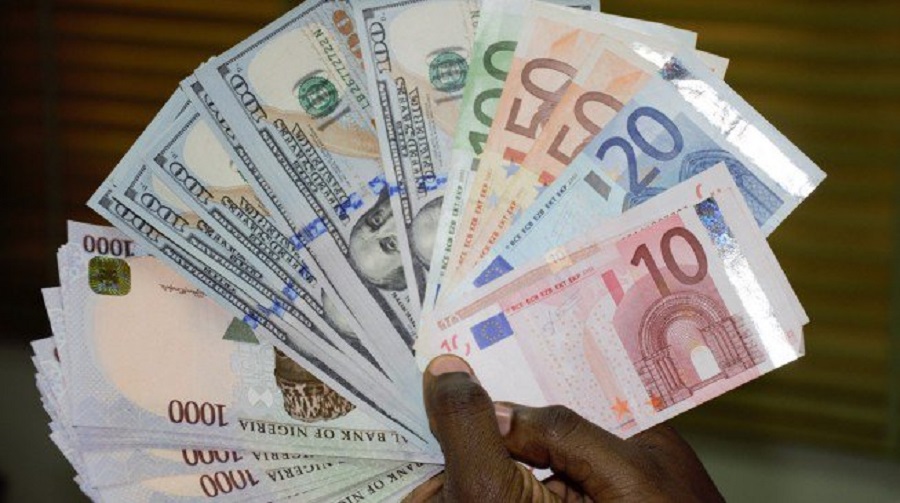
The Nigerian Naira has suffered a dramatic reversal of fortune, plummeting to the title of worst-performing currency globally in the first half of 2024, according to a report by Bloomberg on Friday.
This depreciation comes after a brief period of strength earlier this year, highlighting the ongoing challenges facing the Nigerian economy.
Besides the naira, Egypt’s pound and Ghana’s cedi were the world’s other worst performers in the first six months of the year.
Tracking data from FMDQ, the report said that the naira weakened for a ninth straight day to 1,510 per dollar by the close of Thursday.
“The losing streak is the longest since July 2017 and takes the decline since the start of the year to 40 per cent.
“The naira’s performance is the worst among global currencies tracked by Bloomberg beside that of the pound in Lebanon, which is undergoing an economic crisis and witnessing dollarisation,” the report noted.
READ ALSO: Naira on an 8-day depreciation streak, falls again to N1,507.83/$1
In March, the naira had emerged as the best-performing currency in the world, a feat which was reversed the next month.
The report added that the currency was volatile between mid-April and May due to the imbalance between demand and supply for the greenback before the trend moderated in June on an improvement in dollar inflows.
Several factors are believed to be contributing to the Naira’s decline:
- Devaluation: The Central Bank of Nigeria (CBN) has devalued the Naira in an attempt to address a persistent trade deficit. However, this move has made imports more expensive and contributed to inflationary pressures.
- Dollar Shortage: A lack of readily available US dollars is hampering businesses and individuals who need to make international transactions. This scarcity is attributed to a combination of factors, including lower oil revenues and capital flight.
- Market Volatility: Uncertainty surrounding the Nigerian economy and its future growth prospects has led to market volatility, further weakening confidence in the Naira.
The impact of this depreciation is being felt across Nigeria, with businesses struggling with rising import costs, while consumers face higher prices for everyday goods. Additionally, the Naira’s weakness discourages foreign investment, hindering economic growth.
The CBN has implemented some measures to address the situation, including raising interest rates and attempting to increase foreign exchange inflows. However, the effectiveness of these actions remains to be seen.


-
 Latest1 week ago
Israel marks 3 years since October 7 Hamas attack amid Gaza strikes, election debate
-

 Energy1 week ago
Fuel Battle: Dangote, marketers and government clash over petrol imports
-

 Latest2 days ago
Full List: Meet the 2026 Nobel Prize winners across six categories
-

 Football1 week ago
Nigeria’s World Cup exit under spotlight as FIFA’s DR Congo files emerge
-

 Latest1 week ago
US Court set to rule on release of FBI, DEA records on Tinubu
-
 Featured6 days ago
103 Million Voters: What does INEC’s new register say about Nigeria’s population?
-

 Business1 week ago
Nigerian investors at a crossroads as fixed-income yields slide
-

 Latest1 week ago
Oyo APC crisis deepens as Oluyole reconciliation meeting ends in brawl