
Business
BDC operators react as Naira struggles against Pounds, Dollar at FX market

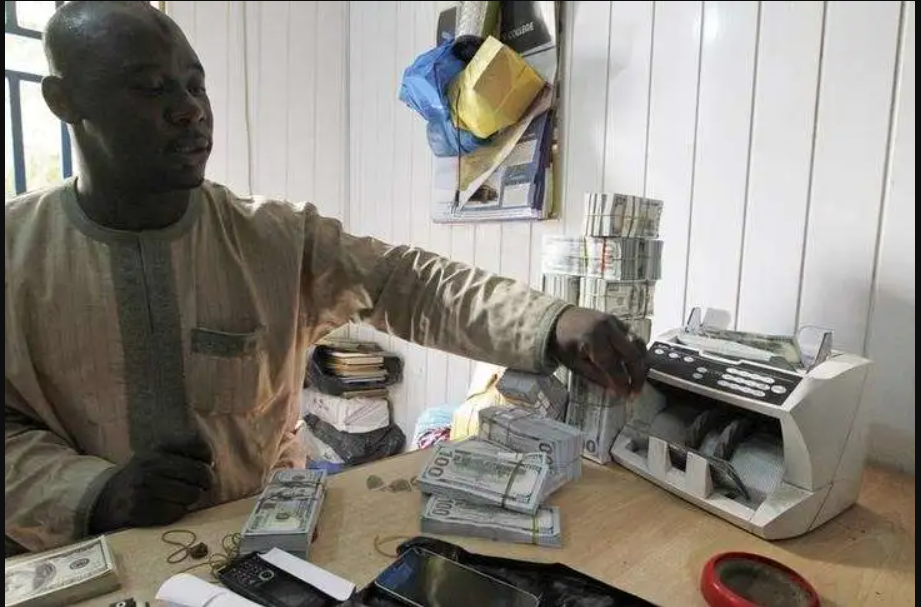
BDC operators have reacted to the dwindling fortune of the Naira at the foreign exchange market since the unification of Nigeria’s foreign exchange market, consolidating all windows into one.
The operators are advocating for increased participation and involvement in the foreign exchange market to ensure the success of the new exchange rate policy implemented by the Central Bank of Nigeria (CBN).
The Naira/British Pound exchange rate hovered above N1,000/£ for about a week due to strong parallel market demand.
The naira’s fall against the British pound has coincided with a fall in the dollar, which has fallen to N800/$ for some major black-market operators.
The rapid devaluation of the Nigerian currency followed the reunification of the Naira exchange rate system by the Central Bank of Nigeria to liberalize the foreign exchange market.
READ ALSO: Naira weakens further at official market, drops to N788.4/$1
The pound rallied to more than a year high against both the dollar and the euro on Wednesday after strong UK jobs data confirmed market hopes for another rate hike by the Bank of England (BoE).
The BDC forex dealers, have expressed dissatisfaction with the CBN’s decision to abolish segments of the official forex market in favour of the I&E window, where the “willing buyer and willing seller” approach was reintroduced
These operators argue that the CBN should collaborate with them, considering that they play a critical role in addressing the retail end of the market and ensuring exchange rate stability in the country’s economy.
Aminu Gwadebe, President of ABCON, stated that despite the new exchange rate policy by the CBN, the foreign exchange market remains volatile because BDCs are excluded from the I&E window.
Gwadebe highlighted the high exchange rate disparity of about N30 between the I&E window and the parallel market, as the apex bank has yet to adequately address the retail end of the market that is primarily served by BDCs.
READ ALSO:Naira devaluation lures foreigners back into Nigeria’s stocks market
“The forex market is not competitive because of the limited number of participants. The other one is the issue of liquidity and then legislation with respect to the FMDQ. The legislation is expected to allow participants, including the BDCs, to be part of the forex market.
“We are talking about sustainability now and that market (forex market) will drive sustainability in terms of inflow to address liquidity issues. Fortunately or unfortunately, the banks are even now formalizing Bureau De Change or do I say parallel market operations.’’
He called for legislation to support the existing policies and strengthen the operations of FMDQ, which manages the forex market.
They argued that the new exchange rate policy has not significantly affected their business, stating that it is a mixed situation, calling for a more inclusive approach in the foreign exchange market and seeking legislative support to enhance liquidity, competitiveness, and sustainability in the market.












-
 Featured1 week ago
Tinubu’s Renewed Hope: Reforms, hardship and the unanswered question of a second term
-

 Featured1 week ago
The cost of Renewed Hope: How Nigeria’s economic reforms are reshaping everyday family life
-

 Crime4 days ago
Kwara bandit deal under scrutiny as footage shows security operatives negotiating with terrorists [VIDEO]
-

 Business1 week ago
CBN forex reforms under scrutiny as Nigeria’s reserves drop $300m in 10 days
-

 Business1 week ago
NCC plans spectrum incentives to push telecom operators into more network investment
-

 Entertainment6 days ago
2027 Grammys: Asake, Wizkid, Tems, Ayra Starr lead Nigerian nominees in African music category
-

 Latest1 week ago
Nigeria’s security crisis deepens as October death toll hits 835, highest in 2026
-

 Sports1 week ago
Kenya’s Timothy Kibii wins Port Harcourt International Marathon