
Crime
ISIS commander Abu-Bilal al-Minuki linked to Dapchi school girls abduction killed in military operation

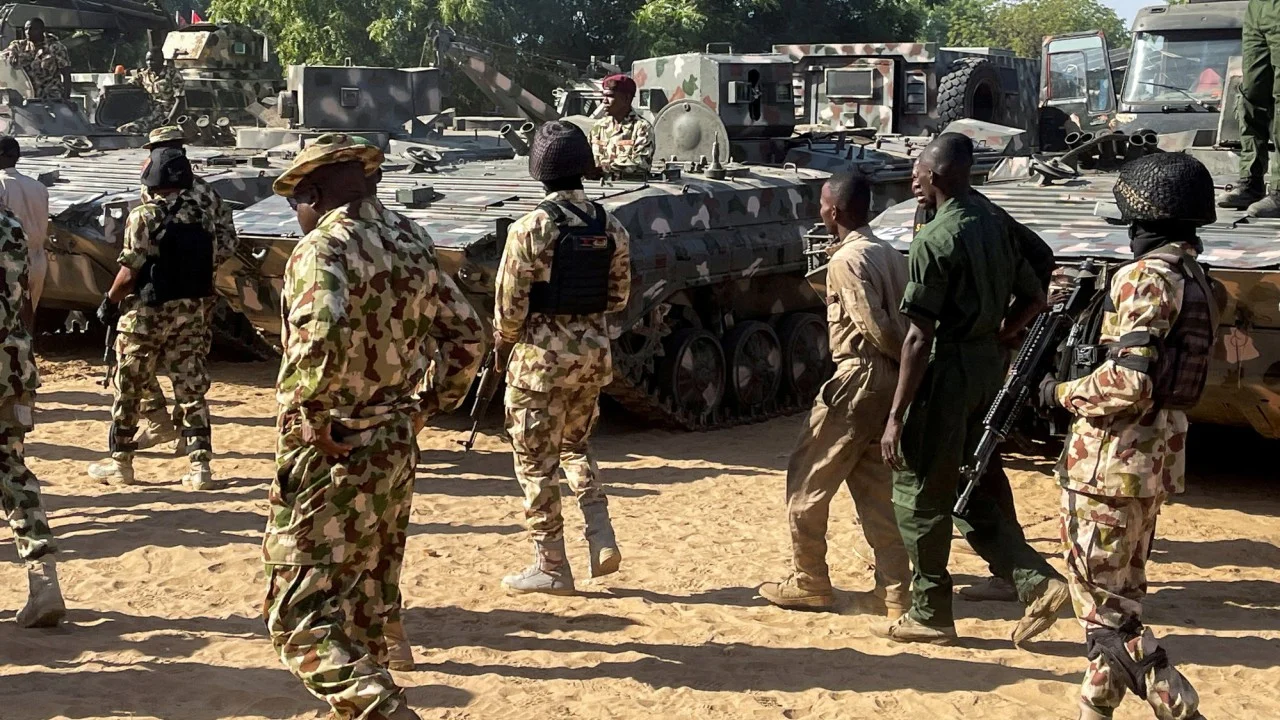
The reported killing of Abu-Bilal al-Minuki, identified as the second-in-command of the Islamic State of Iraq and Syria (ISIS), has sparked widespread reactions among Nigerians on social media platform Twitter, with opinions ranging from shock and disbelief to cautious celebration.
The announcement was first made in the early hours of Saturday by United States President Donald Trump, who disclosed that al-Minuki had been eliminated in a coordinated military operation.
Shortly after, Nigerian President Bola Tinubu confirmed that the mission was carried out jointly by American and Nigerian forces.
According to official sources, al-Minuki was linked to several extremist activities in West Africa and was believed to have played a role in the 2018 abduction of schoolgirls in Dapchi, Yobe State — an incident that drew global condemnation and renewed scrutiny of insurgent operations in the region.
Following the announcement, Nigerian users flooded Twitter with varied reactions. While some expressed relief and described the development as a breakthrough in the fight against terrorism, others questioned the long-term impact of the operation on insurgency in the country.
Several users highlighted the emotional weight of the Dapchi incident, recalling the trauma endured by the victims and their families.
For them, the reported death of al-Minuki symbolised a measure of justice, even if delayed. Others, however, urged caution, noting that the elimination of a top commander does not automatically dismantle extremist networks.
Security analysts also weighed in online, suggesting that while leadership losses can disrupt militant operations, such groups often restructure quickly. They stressed the importance of sustained intelligence sharing and regional cooperation to prevent retaliatory attacks or resurgence.
The Dapchi abduction in 2018 shocked the nation after dozens of schoolgirls were taken from their school in northeastern Nigeria. Although many were later released, the incident underscored the persistent security challenges facing communities in the region.
As conversations continue to trend online, the federal government has yet to release detailed operational specifics but has reiterated its commitment to combating terrorism and strengthening collaboration with international partners.
The development has once again placed Nigeria’s security situation at the forefront of national discourse, with citizens closely watching for any shifts in the fight against insurgency in the coming weeks.


-
 Latest1 week ago
Israel marks 3 years since October 7 Hamas attack amid Gaza strikes, election debate
-

 Energy1 week ago
Fuel Battle: Dangote, marketers and government clash over petrol imports
-

 Latest2 days ago
Full List: Meet the 2026 Nobel Prize winners across six categories
-

 Football1 week ago
Nigeria’s World Cup exit under spotlight as FIFA’s DR Congo files emerge
-

 Latest1 week ago
US Court set to rule on release of FBI, DEA records on Tinubu
-

 Business1 week ago
Nigerian investors at a crossroads as fixed-income yields slide
-
 Featured6 days ago
103 Million Voters: What does INEC’s new register say about Nigeria’s population?
-
 Latest1 week ago
Oyo APC crisis deepens as Oluyole reconciliation meeting ends in brawl