
Business
Anger, debate trail proposed $1.25bn loan amid concerns over Nigeria’s debt surge

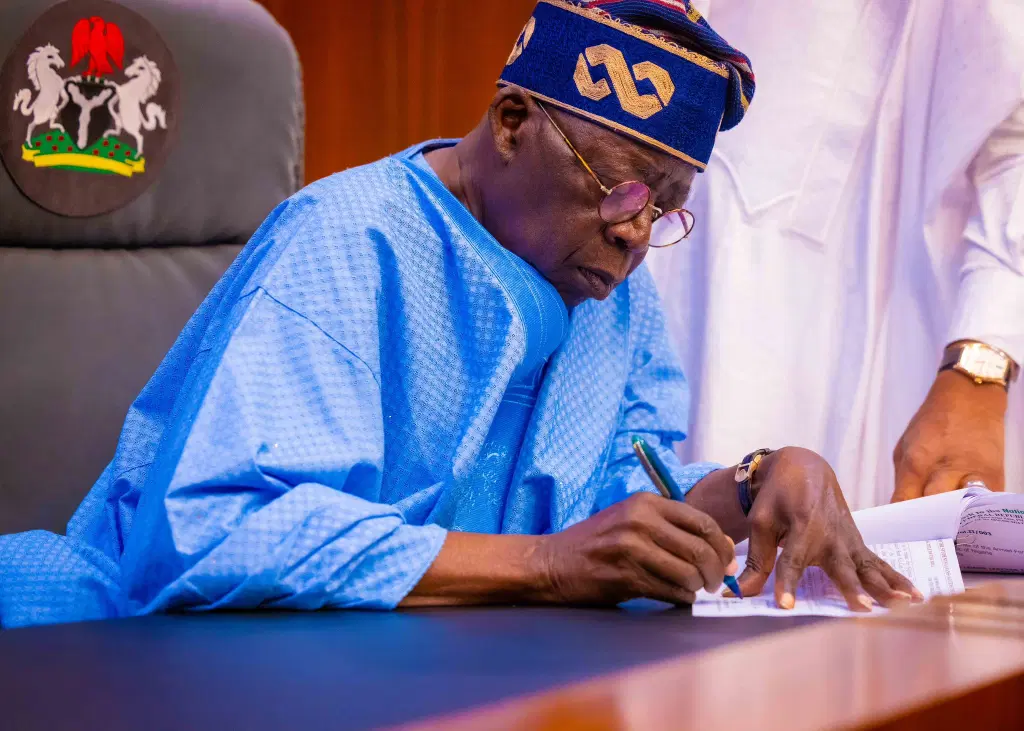
Nigerians on social media have reacted strongly to reports of a proposed $1.25 billion loan linked to the administration of President Bola Tinubu, triggering renewed public debate over the country’s growing debt profile, fiscal priorities, and broader economic direction.
The development sparked widespread discussion on X (formerly Twitter), where users expressed concern over what they described as Nigeria’s increasing reliance on external borrowing amid persistent inflation, currency pressures, and rising cost of living.
A large section of commenters criticised the reported loan proposal, arguing that continuous borrowing could worsen Nigeria’s debt sustainability challenges and deepen economic hardship for citizens.
Many users framed their reactions around frustration with government spending decisions, questioning whether borrowed funds are being effectively deployed for development projects.
Some posts trending on the platform reflected fears that Nigeria is becoming overly dependent on debt financing, with users warning that future generations could bear the burden of repayment if borrowing continues unchecked.
While criticism dominated the online conversation, a smaller group of users defended the government’s approach, noting that sovereign borrowing is a standard global economic practice when used for infrastructure and development financing.
These commenters argued that debt itself is not necessarily harmful, but rather how funds are managed and invested determines economic outcomes.
Others urged critics to consider revenue constraints and the need for capital inflows to sustain national development projects, especially in emerging economies.
Beyond the borrowing debate, several users shifted focus to governance and accountability, arguing that Nigeria’s core challenge lies not only in debt accumulation but also in public financial management and transparency.
READ ALSO: Nigeria’s 2026 debt servicing hits $11.6bn asTinubu decries global financial inequity
Some commenters blamed systemic inefficiencies, alleging that borrowed funds are often poorly monitored or diverted from intended projects, while others called for stronger oversight institutions and fiscal discipline.
The online reactions highlight growing public sensitivity to Nigeria’s debt trajectory at a time when the government is implementing wide-ranging economic reforms. These include subsidy adjustments, foreign exchange policy changes, and efforts to stabilize public finances.
However, many citizens say these reforms have yet to translate into tangible relief, as inflationary pressures and living costs remain high, intensifying scrutiny of new borrowing plans.
As the debate continues online, the proposed $1.25 billion loan has become another focal point in Nigeria’s ongoing national conversation about debt, development, and economic sustainability.


-
 Latest7 days ago
Israel marks 3 years since October 7 Hamas attack amid Gaza strikes, election debate
-

 Energy6 days ago
Fuel Battle: Dangote, marketers and government clash over petrol imports
-

 Energy1 week ago
Petrol, diesel prices rise 86% in 2026 as costs hit fresh highs
-

 Football1 week ago
Nigeria’s World Cup exit under spotlight as FIFA’s DR Congo files emerge
-

 Latest1 day ago
Full List: Meet the 2026 Nobel Prize winners across six categories
-

 Latest1 week ago
US Court set to rule on release of FBI, DEA records on Tinubu
-
 Business1 week ago
Nigerian investors at a crossroads as fixed-income yields slide
-

 Latest1 week ago
Oyo APC crisis deepens as Oluyole reconciliation meeting ends in brawl