
Business
Oil output slips again as OPEC flags 4.37% drop

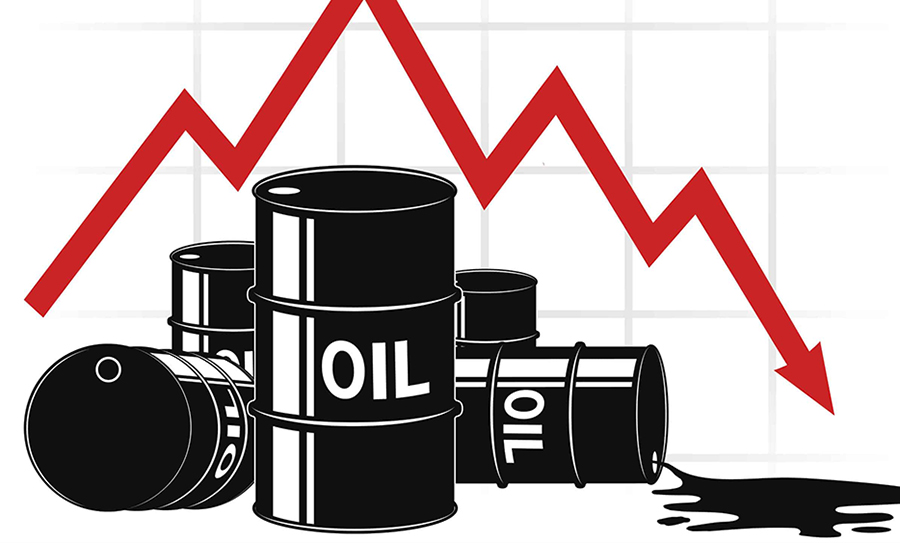
Nigeria’s crude oil production declined by 4.37% in March 2025, according to the Organization of the Petroleum Exporting Countries (OPEC), deepening concerns over the country’s ability to meet its revenue targets amid mounting structural challenges in the energy sector.
The latest figures, released in OPEC’s April Monthly Oil Market Report (MOMR), show that Nigeria’s average daily crude output fell from 1.465 million barrels per day (bpd) in February to 1.401 million bpd in March.
This places the country’s current production 6.6% below its OPEC-assigned quota and nearly 32% short of the federal government’s ambitious 2025 production target of 2.06 million bpd.
Industry analysts attribute the persistent production shortfall to entrenched issues such as underinvestment, outdated infrastructure, and rampant oil theft—factors that have continuously undermined efforts to sustain or boost output despite Nigeria’s vast petroleum reserves.
READ ALSO: Oil crash sparks fiscal alarm as Tinubu’s budget assumptions crumble
The production decline comes at a precarious time for Nigeria’s economy. With oil exports forming the backbone of government revenue, the dual blow of falling output and tumbling global oil prices poses a significant threat to fiscal stability. Brent crude recently dropped below $60 per barrel amid increased supply from OPEC+ and slowing global demand, intensifying pressure on Nigeria’s budget and widening its fiscal deficit.
“This situation is alarming,” said an oil sector analyst. “The country is not only producing below target, but also earning less per barrel. That combination puts enormous strain on public finances and limits the government’s ability to fund critical sectors like healthcare, education, and infrastructure.”
Data from the Nigeria Upstream Petroleum Regulatory Commission (NUPRC) revealed a 5% drop in oil production from January to February this year. The average output in February was 1.465 million bpd—down from January’s 1.539 million bpd. While the country briefly peaked at 1.7 million bpd in February, the production floor dipped to 1.6 million bpd, reflecting persistent volatility.
Despite these setbacks, experts insist there are steps the government can take to stabilize output. Curbing oil theft, incentivizing foreign and local investment, and modernizing oilfield infrastructure are crucial strategies for long-term improvement.
Unless urgent reforms are made, Nigeria risks deepening its economic vulnerability, as declining oil revenues continue to undermine efforts to boost growth, reduce poverty, and finance development.


-

 Business4 days ago
OPay explains how Nigerians can access FG’s N50,000 monthly cash relief
-

 Latest1 week ago
FG Announces N50,000 cash support for vulnerable Nigerians under new relief programme
-
 Business1 week ago
NNPC’s N66-per-litre petrol discount set to end October 31
-

 Latest1 week ago
INEC recognises Pantami for Gombe, keeps Kano NDC candidate off final list
-

 Latest1 week ago
NDC Chieftain tells Atiku to drop presidential ambition over son’s support for Tinubu
-

 Crime1 week ago
Doris Ogala remanded as Court adjourns bail hearing to November 6
-

 Latest1 week ago
One dead, one injured in three road emergencies across Lagos – LASEMA
-

 Business1 week ago
Marketing Edge Director, Anietie Udoh, joins LAIF awards 2026 jury